




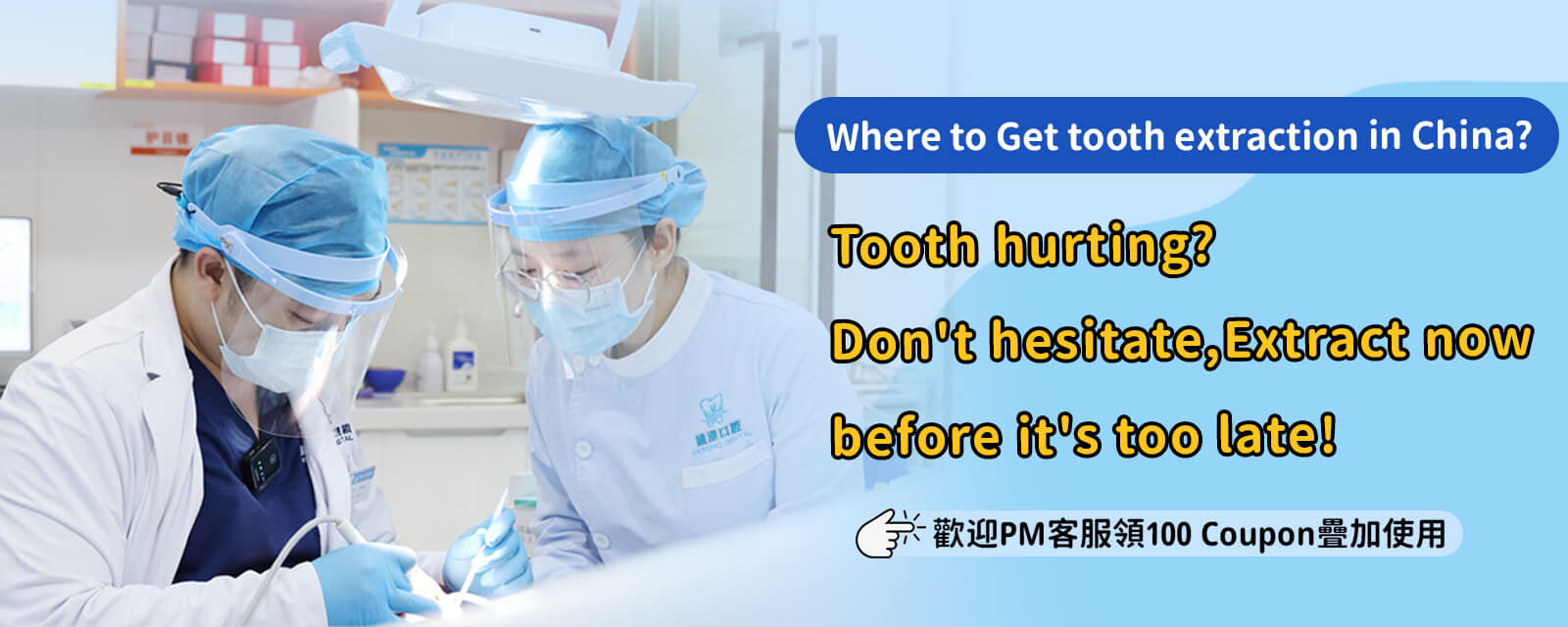
**Is Traveling to Chinese Mainland for Tooth Extraction Worth Your Time?**
In recent years, an increasing number of Hong Kong residents have opted for dental treatments in Chinese Mainland, particularly tooth extractions. Social media platforms and personal networks often highlight the convenience of undergoing dental procedures in cities like Shenzhen and Guangzhou. But is traveling to Chinese Mainland for tooth extraction truly worth your time? Lets delve into this topic, examining the pros and cons, along with essential considerations.
**Reasons Hong Kong Residents Consider Dental Treatments in Chinese Mainland**
One of the primary reasons Hong Kong residents consider traveling to Chinese Mainland for dental treatments is the perceived difficulty in scheduling dental appointments locally. Many find the appointment times in Hong Kong inflexible and the waiting periods long. In contrast, numerous dental clinics in Chinese Mainland operate late into the evening and even on weekends, offering greater convenience for working individuals or those with family responsibilities. Additionally, some people believe that dental technology in Chinese Mainland has significantly improved in recent years. Many dentists have undergone formal training, and the clinics are equipped with modern instruments, instilling confidence in those willing to give it a try.
**Potential Drawbacks of Traveling for Dental Care**
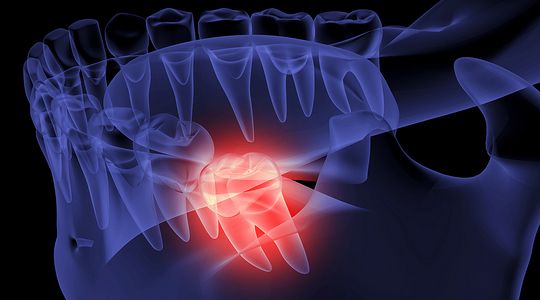
While the idea of traveling to Chinese Mainland for tooth extraction may sound appealing, it is not suitable for everyone. Tooth extraction is not merely about removing a tooth; it involves complex procedures, especially when dealing with deep-rooted teeth or areas close to nerve lines. Hong Kong dentists typically maintain long-term records with their patients, allowing for a comprehensive understanding of their oral health history. However, dentists in Chinese Mainland may not have access to complete records, and if post-extraction complications such as swelling or pain arise, scheduling a follow-up visit can be challenging. Therefore, it is crucial to consider post-operative care before making a decision.
**Safety and Trust Factors**
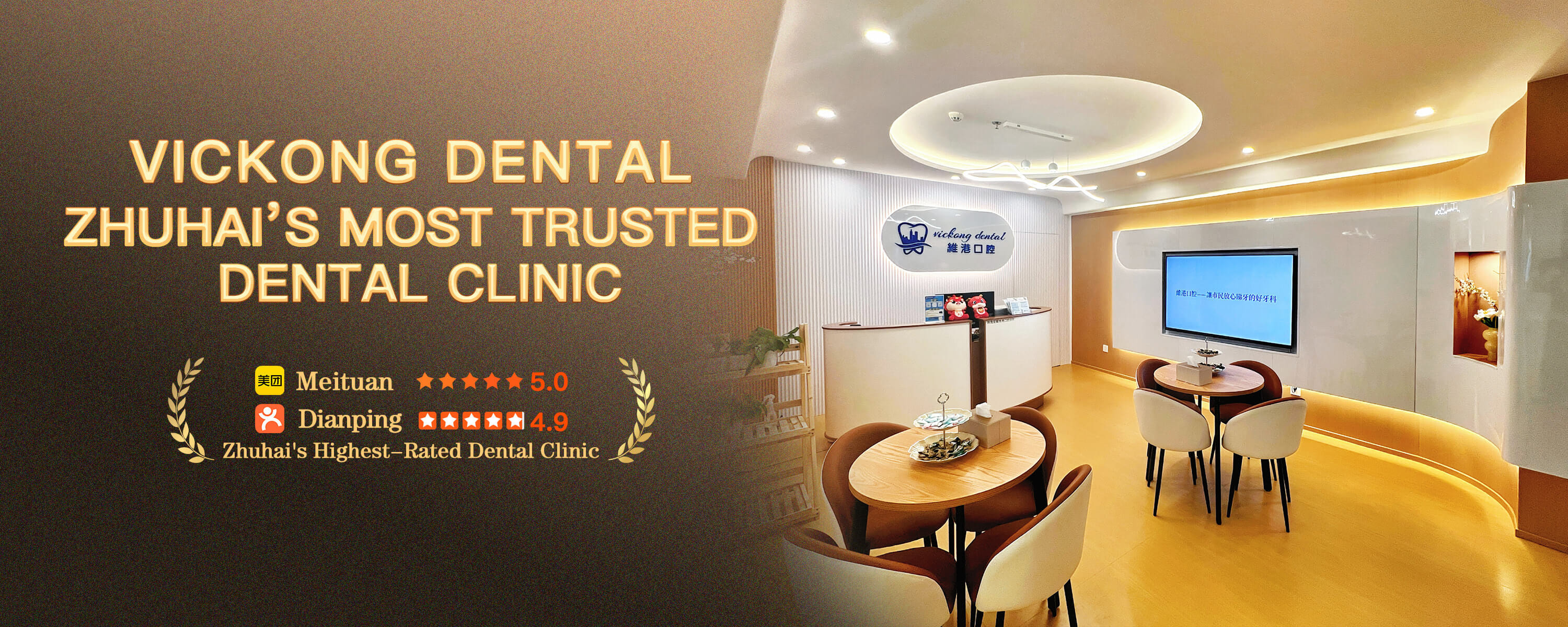
In Hong Kong, patients are familiar with the healthcare system, including medical standards, sterilization protocols, and medication management, which are relatively transparent. However, in Chinese Mainland, standards may vary across different regions. Although many clinics are highly professional, it is advisable to thoroughly research their reputation beforehand. Avoid choosing a clinic solely based on convenience. Opt for clinics with licensed practitioners, a physical address, and a stable team of dentists. You can also seek recommendations from friends or check online reviews to gain insights into past cases for added peace of mind.
**Time Considerations**
Traveling to Chinese Mainland for dental care may not necessarily save time. Despite cli
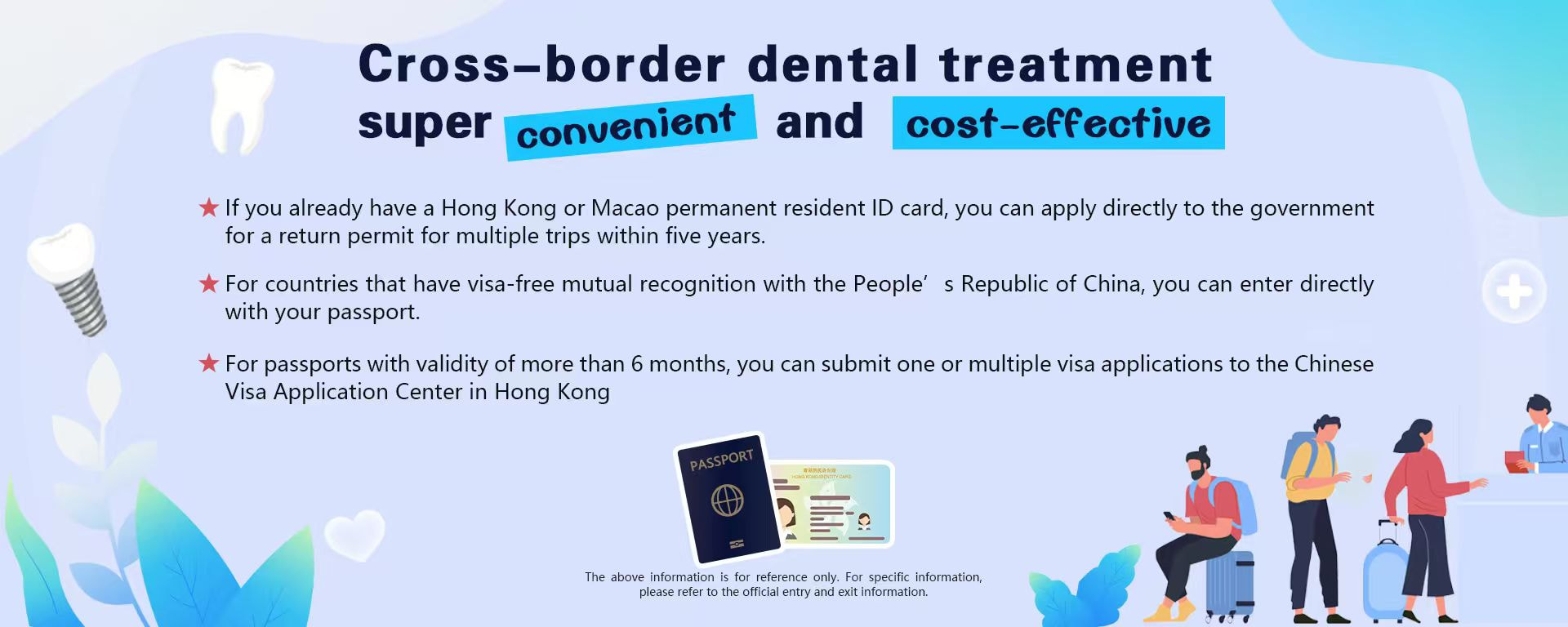
nics operating late, you need to account for travel time, border crossing, waiting, and surgery duration. Sometimes, a single day may not suffice, requiring multiple visits. If you only need to address a minor issue like a cavity, it might not be necessary to travel specifically for dental care. However, if you frequently visit Chinese Mainland for other purposes such as business, family visits, or shopping, you can conveniently schedule a dental check-up during your trip.
**Communication and Language Concerns**
Language and communication are crucial considerations. While Mandarin is commonly spoken, medical terminology and pain descriptions can vary, impacting communication. During consultations, clearly convey any allergies, medications you are taking, and previous dental surgeries. Ensuring the dentist fully understands your situation is essential for a safe and smooth extraction. If you dont frequently travel to Chinese Mainland, familiarize yourself with the clinics procedures, consent forms, and medication regulations in advance.
**Post-Operative Care**
Many are concerned about post-operative care. Common issues after tooth extraction include swelling, pain, bleeding, and difficulty eating. In Hong Kong, dentists typically provide post-operative care instructions and are readily available for follow-up appointments. However, if you undergo the procedure in Chinese Mainland and experience discomfort upon returning, it may not be easy to revisit the original dentist promptly. Be mentally prepared for this possibility, and if further examination is needed, consult a Hong Kong dentist for follow-up care.
**Final Thoughts**
Ultimately, traveling to Chinese Mainland for tooth extraction is a matter of personal choice rather than merely seeking the cheapest or fastest option. Consider your lifestyle and personal habits. If you frequently travel to Chinese Mainland and trust the dental team there, it may be convenient. However, if you rarely cross the border or are pressed for time, finding a reliable dentist locally may be a safer bet.
**Conclusion**
Regardless of where you choose to undergo tooth extraction, maintaining good oral hygiene is crucial. Regular dental cleanings, brushing, flossing, and avoiding overly sweet foods can help prevent dental issues. Tooth extraction should be a last resort; preserving natural teeth whenever possible is preferable. Traveling to Chinese Mainland for dental care is not inherently bad, but it requires planning, preparation, and thorough understanding. Only then can it be deemed "worth your time."
In summary, traveling to Chinese Mainland for tooth extraction is a trendy option, but it is not suitable for everyone. Conduct thorough research, assess your situation, and avoid impulsive decisions. With careful consideration, selecting the right clinic and managing your time effectively, you can address dental issues safely and conveniently.
















