








**Are Dentists in Chinese Mainland Thorough in Explaining Tooth Extractions?**
In recent years, many Hong Kong residents have considered traveling to Chinese Mainland for dental treatments, including cleanings, braces, and extractions. Mainland clinics are often perceived as having modern equipment and providing swift services. However, some individuals worry about whether dentists in Chinese Mainland thoroughly explain tooth extractions. Is it truly reliable? This question is worth exploring, especially when it involves communication, professional attitudes, and treatment procedures.
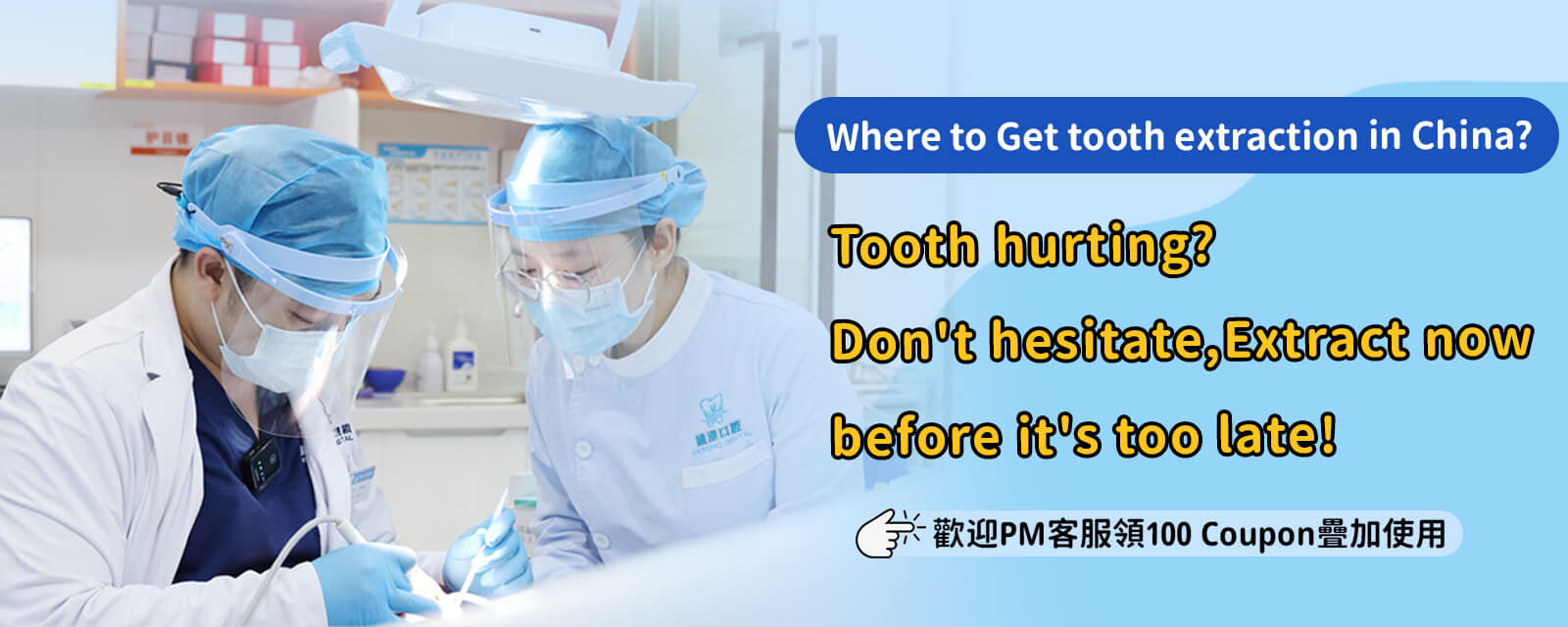
First and foremost, tooth extraction is not a simple task of pulling out a tooth with pliers. Each tooth has its own structure, nerves, and surrounding bone. Without a clear understanding of these factors, hasty extractions can be dangerous. In Hong Kong, patients are accustomed to dentists providing detailed explanations, such as why an extraction is necessary, alternative options, and post-extraction care. In Chinese Mainland, many reputable dental centers also prioritize clear communication. If you choose the right place, dentists will guide you through each step. Typically, they will conduct an X-ray examination to assess the depth of the tooth root and bite condition before explaining the surgical process, anesthesia used, and post-operative care.
Of course, different cities and clinics may have cultural variations. Some places emphasize efficiency, and explanations might be more concise compared to the more detailed discussions in Hong Kong. If you are visiting Chinese Mainland for a tooth extraction for the first time, it is advisable to communicate with the clinic in advance. Ask if you can have a consultation to understand the entire process, which will help ease any concerns.
Language can also be a consideration. In cities like Guangzhou, Shenzhen, and Zhuhai, many dentists are fluent in both Mandarin and Cantonese, so communication is generally smooth. However, in cities further afield, such as Hangzhou or Chengdu, Mandarin may be necessary. The key is to clearly express any concerns and not hesitate to ask questions. Professional dentists usually welcome patient inquiries as thorough explanations reduce misunderstandings and post-operative risks.
Regarding pre-operative preparation, dentists typically inquire about conditions such as high blood pressure, diabetes, and current medications. If there are special
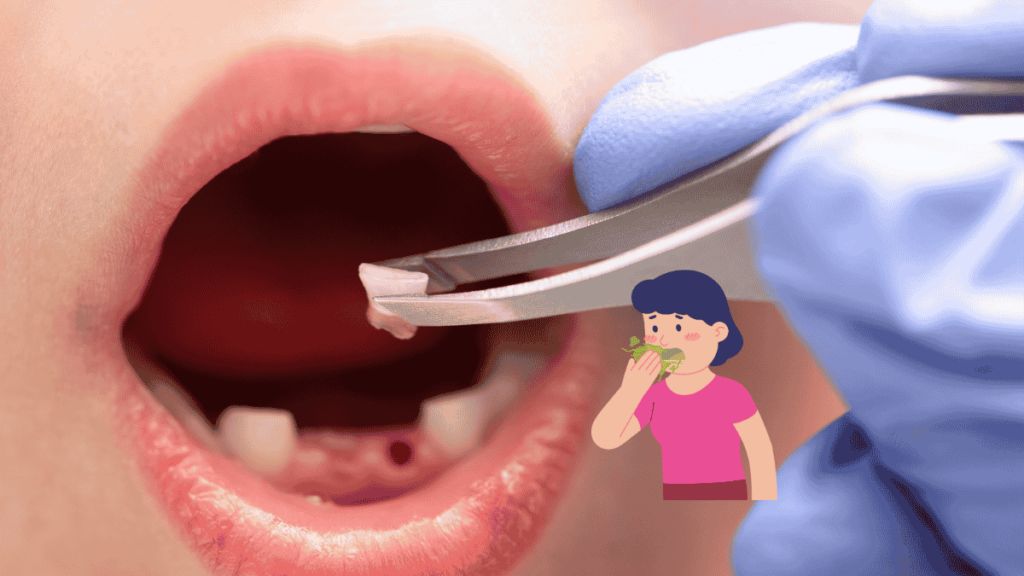
circumstances, they may suggest postponing or adjusting the treatment plan. On the day of the extraction, staying calm is essential. With proper anesthesia, the procedure is usually not very painful. Chinese Mainland clinics are generally well-equipped, with some even utilizing digital dental systems for efficient and hygienic operations.
Post-extraction care often involves instructions not to rinse immediately to prevent dislodging the blood clot, avoiding overly hot or hard foods, and understanding that mild swelling and pain are normal and should subside within a few days. You can also ask the dentist about maintaining oral hygiene and whether a follow-up visit is necessary. Many clinics offer follow-up services via WhatsApp or WeChat, allowing you to ask questions at any time.
Ultimately, the most important aspect of any dental procedure, whether in Hong Kong or Chinese Mainland, is trust in the dentist and understanding the process. The dental market in Chinese Mainland has developed rapidly, with professional services improving significantly. As long as you choose a licensed and well-reviewed dentist, they are likely to explain diagnoses and treatments clearly. You can also check online reviews and patient experiences to gauge the dentists communication style.
Some people worry that dentists in Chinese Mainland might be too busy or impatient. However, just like in Hong Kong, some dentists are quick, while others take their time to explain. The key is to voice your concerns and ask questions such as, "Will extracting this tooth affect the adjacent one?" or "Do I need to take painkillers immediately after the anesthesia wears off?" These questions are your right to ask, and professional dentists will be willing to answer without considering you a bother.
In summary, many Hong Kong residents choose to have tooth extractions in Chinese Mainland due to cost-effectiveness and efficiency. However, ensuring the clinic is reputable and the dentist is qualified is crucial, as is thorough communication. If you actively seek information and express your needs, dentists will naturally provide clear explanations without rushing. Tooth extraction is a medical procedure, and its essential to have confidence and a sense of security. Opting for dental care in Chinese Mainland doesnt mean sacrificing communication quality. With the right choice of clinic, you can expect explanations as clear as those in Hong Kong.
















