




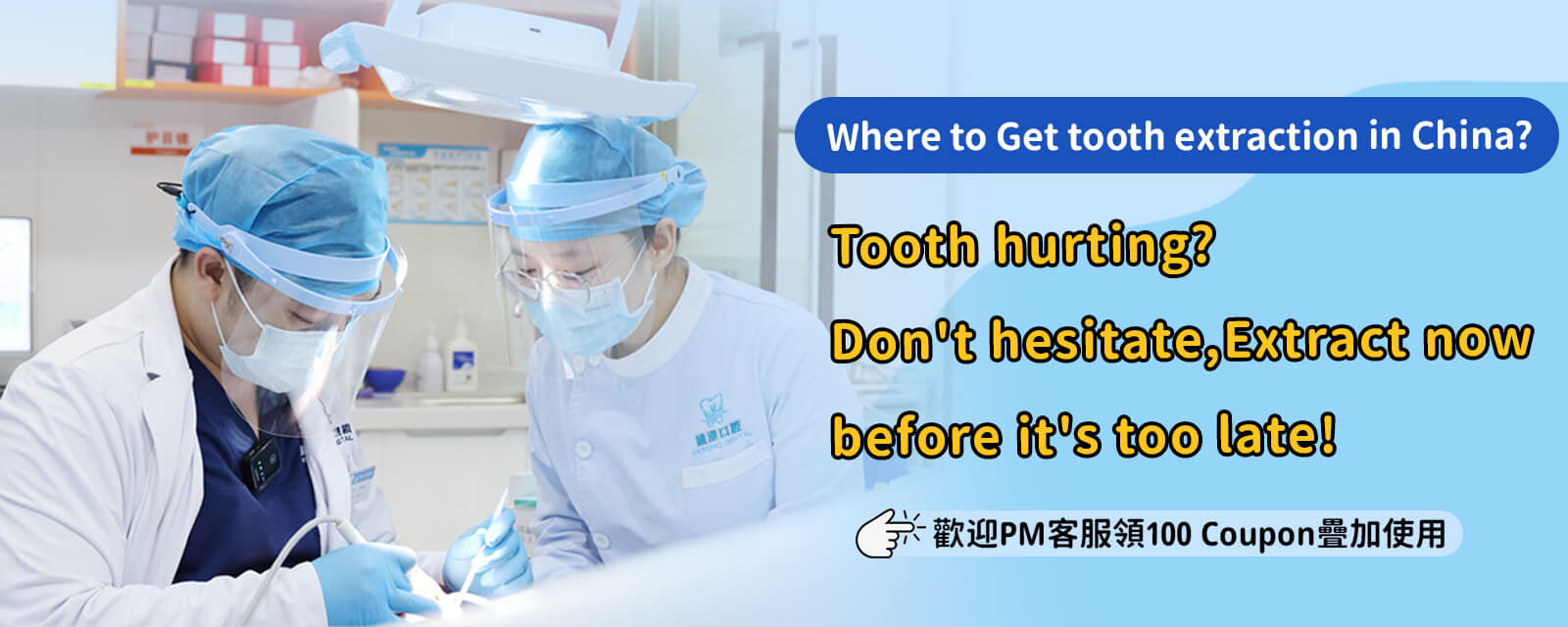
**Will Traveling to Mainland China for Tooth Extraction Affect Your Daily Life?**
In recent years, many Hong Kong residents have opted to travel to Mainland China for dental procedures, including cleanings, fillings, and even tooth extractions. While cost is a significant factor, there are other considerations that people often ponder: Will traveling to Mainland China for tooth extraction disrupt daily life? Is it inconvenient? The answer isnt straightforward and depends on your health condition, schedule, and understanding of the differences in medical practices and lifestyle between the two regions.
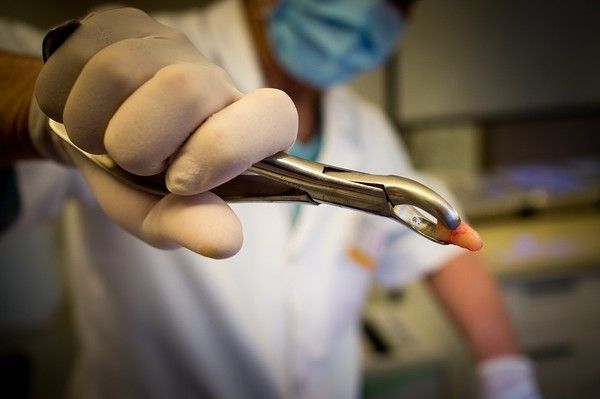
Firstly, its important to recognize that tooth extraction is not a minor procedure. Whether its due to inflamed wisdom teeth, deep cavities, or severe periodontal disease necessitating extraction, your diet and routine may be affected for days or even weeks afterward. If you choose to have your tooth extracted in Mainland China, post-operative care and follow-up appointments are crucial. Many Hong Kong residents make a day trip, leaving in the morning and returning in the afternoon. However, after an extraction, you need to allow time for your mouth to heal, avoid consuming overly hot or hard foods, and ideally rest quietly. Returning to work or rushing for transport on the same day can be taxing, with oral discomfort potentially affecting your overall well-being.
Secondly, consider the follow-up appointment. Typically, a post-extraction check-up is necessary to assess gum healing. In Hong Kong, finding a dentist is convenient, often just a short walk away. However, if you undergo the procedure in Shenzhen, Dongguan, or Guangzhou, follow-up requires crossing the border again. If you live nearby or frequently travel to Mainland China, this isnt a major issue. But if you seldom visit or have a busy schedule, organizing follow-up appointments can be stressful. Therefore, its wise to clarify with your dentist about post-operative check-up timings, whether stitches need removal, and if online consultations are possible before making a decision.
Regarding post-operative diet, caution is needed regardless of the location of the extraction. For the first two days, avoid spicy, hot, or hard foods to prevent irritating the wound. After having a tooth extracted in Mainland China, staying in a hotel or a friends place might make it challenging to adhere to dietary recommendations, especially given the generally rich flavors of Mainland cuisine. Its advisable to have instant porridge, tofu puddi
ng, or egg custard on hand for soft food options that are easy to consume.
Moreover, effective communication with healthcare providers is crucial. Although Cantonese and Mandarin are widely understood, medical terminology can differ, leading to potential misunderstandings. Before the procedure, ensure you comprehend the surgical risks, medication instructions, and emergency contact details to avoid post-operative complications.
Will it affect your lifestyle? The answer is—there will certainly be temporary impacts. For two to three days post-extraction, you may experience oral discomfort, making eating difficult; some individuals may also experience headaches or earaches. If you need to frequently cross the border or have a hectic work schedule during this time, it could indeed affect your routine. However, with proper planning, such as scheduling the extraction on a weekend morning and resting in Mainland China for a couple of days afterward, you can minimize the impact.
Another often overlooked aspect is medication management. Mainland Chinese doctors may prescribe antibiotics or painkillers, so its crucial to understand the medications effects, dosage, and precautions. If you continue to experience pain after returning to Hong Kong, bring your prescription to a local doctor for evaluation to determine if adjustments are needed. Avoid self-medicating with painkillers, as overlapping ingredients can be harmful.
In summary, traveling to Mainland China for tooth extraction doesnt necessarily have to severely disrupt your life, but adequate preparation is essential. Assess whether you have sufficient time, convenient follow-up options, and proper dietary arrangements. With careful planning and an experienced, communicative dentist, traveling to Mainland China for dental work can be a viable option. Conversely, if your schedule is tight, your health isnt optimal, or you prefer less hassle, handling dental procedures locally in Hong Kong might be more secure.
Ultimately, maintaining good oral hygiene and regular check-ups are paramount, regardless of where you undergo dental procedures. Prevention is better than cure; regular teeth cleaning, avoiding biting hard objects, and cultivating proper brushing habits can significantly reduce the need for extractions. The key to traveling to Mainland China for dental work isnt the location but how you plan your life and understand your health. With thorough preparation, traveling for dental procedures may not significantly impact your lifestyle.
















