








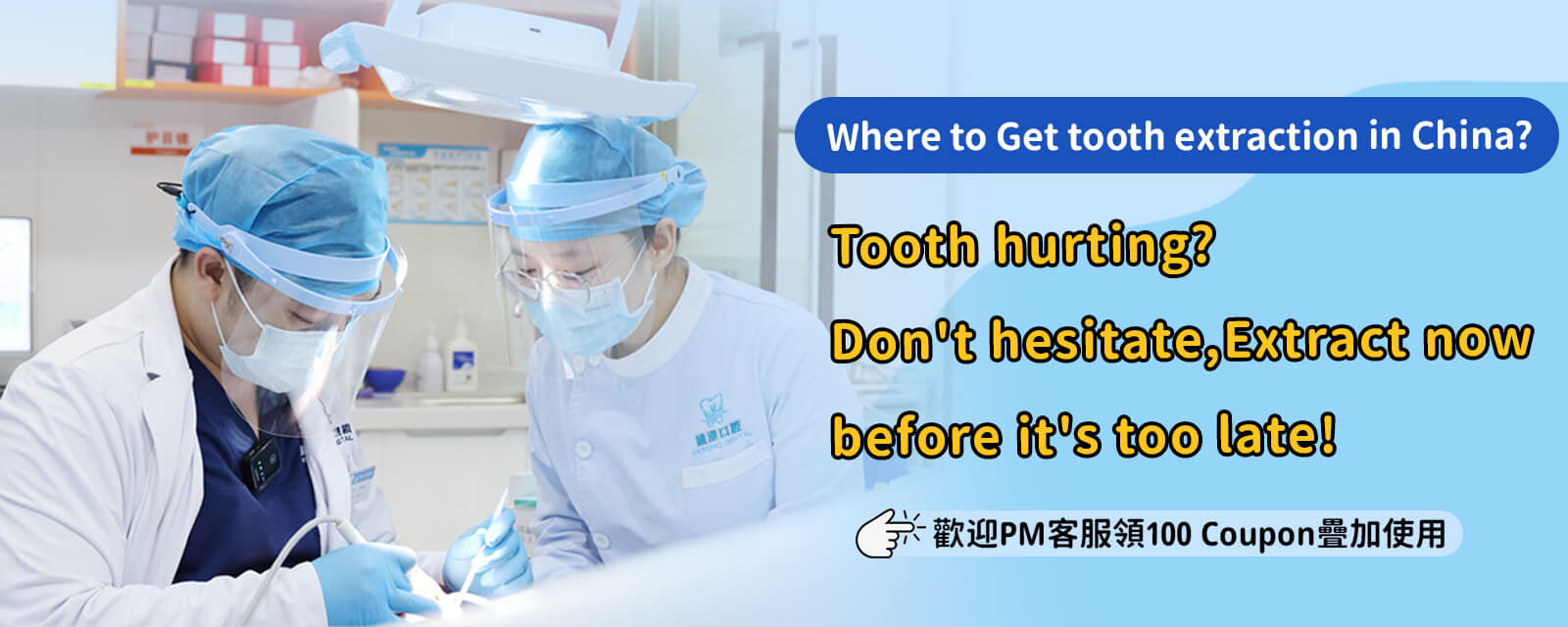
**Is Traveling to Mainland China for Wisdom Tooth Extraction Suitable for Those Who Fear Pain?**
In recent years, an increasing number of Hong Kong residents have opted to travel to Mainland China for dental care, with wisdom tooth extraction being one of the most common procedures. Whether its due to cost-effectiveness, advanced equipment, or efficient service, "traveling to Mainland China for wisdom tooth extraction" has become a hot topic. However, for many who fear pain, the biggest question is: "Is traveling to Mainland China for wisdom tooth extraction really suitable for me?" This article will explore this topic from a practical perspective, offering insights and tips.
**1. Key Concerns for Those Who Fear Pain: Anesthesia and Comfort**
When it comes to wisdom tooth extraction, pain is a primary concern for most people. Fortunately, many dental clinics in Mainland China are equipped with advanced anesthesia systems, and healthcare professionals are accustomed to dealing with anxious or pain-sensitive patients. Some clinics even offer mild sedation, local anesthesia, or nitrous oxide to help patients relax and minimize discomfort. Compared to the traditional experience in Hong Kong clinics, where patients often endure the procedure while sweating nervously, the experience in Mainland clinics can be significantly more comfortable. It is advisable to research the clinics anesthesia methods and the dentists expertise before making a decision.
**2. Rapid Updates in Equipment and Technology**
Many large dental institutions in Mainland China invest heavily in their facilities, ensuring rapid updates in technology. From digital X-rays and 3D scanning to minimally invasive surgical systems, they are well-equipped. Particularly, minimally invasive wisdom tooth extraction techniques allow for the removal of the tooth in segments, minimizing trauma to the gums and reducing bleeding. For those who fear pain, this approach greatly enhances the surgical experience, with post-operative swelling and pain typically being mild.
**3. Importance of Communication and Service Experience**
Individuals who fear pain are often sensitive to their environment and communication. If you decide to travel to Mainland China for wisdom tooth extraction, choosing a clinic with fluent Cantonese-speaking staff or experience in serving Hong Kong clients can greatly facilitate communication. Prior to your visit, browse online reviews to understand the dentists style, nurse attitudes, and clinic hygiene standards. A considerate team that listens can significantly ease your anxiety; during surgery, your comfort level directly influences the dentists adjustments in technique and
pace.
**4. Careful Planning for Pre- and Post-Operative Arrangements**
Whether you undergo wisdom tooth extraction in Hong Kong or Mainland China, pre- and post-operative care is crucial. Before traveling, ensure there are emergency follow-up channels available upon your return to Hong Kong, such as online consultations or providing medical reports for local doctors to review. Post-surgery, focus on maintaining a bland diet, avoiding irritating foods, keeping your mouth clean, and refraining from vigorous rinsing. Many who fear pain are most concerned about post-operative pain or inflammation, but adhering to the dentists care instructions typically results in noticeable relief within a few days.
**5. Convenient Transportation Makes Traveling to Mainland China More Appealing**
With high-speed rail and streamlined border checks, traveling to Shenzhen or Dongguan, where many large dental centers are located, is now highly convenient. This is a significant advantage for those who fear pain but wish to avoid lengthy travel. By planning your schedule well and choosing a trustworthy clinic, you can confidently address your wisdom tooth concerns. Additionally, some clinics offer appointment reminders and post-operative follow-ups, making the entire process more personalized.
**6. Psychological Preparedness and Relaxation Techniques**
The perception of pain during wisdom tooth extraction is influenced not only by technology and anesthesia but also by psychological factors. If you tend to be anxious, practicing deep breathing exercises or listening to calming music before the procedure can help you relax. Mainland clinics often feature modern environments with private treatment rooms and soothing lighting, which can help reduce psychological stress. Remember to inform your dentist about your fear of pain in advance so they can prepare an appropriate anesthesia plan, avoiding last-minute adjustments.
**7. Conclusion: Fear of Pain Doesnt Mean You Cant Travel to Mainland China**
Considering the factors discussed above, traveling to Mainland China for wisdom tooth extraction may not necessarily be a burden for those who fear pain. By selecting the right clinic, understanding anesthesia options, ensuring good communication, and adhering to post-operative care, the experience can be quite smooth. With rapid advancements in dental technology, wisdom tooth extraction is no longer a "terrifying task," but rather a manageable procedure with quick recovery. So, if youve been postponing wisdom tooth extraction due to fear of pain, consider traveling to Mainland China—proper preparation can help you face the procedure confidently, even if youre sensitive to pain.
















