





**Will Tooth Extraction in Chinese Mainland Affect Neighboring Teeth?**
In recent years, many Hong Kong residents have opted to travel to Chinese Mainland for dental check-ups or tooth extractions. The primary reasons are convenience and time-saving. However, a common concern arises: will extracting a tooth in Chinese Mainland negatively impact the adjacent teeth? Whether you choose to undergo the procedure in Hong Kong or Chinese Mainland, as long as the process is standardized and the technique is precise, neighboring teeth should remain unaffected. To ensure peace of mind, its essential to understand the potential impacts on adjacent teeth post-extraction and how to prevent them.
**Understanding the Basics of Tooth Extraction**
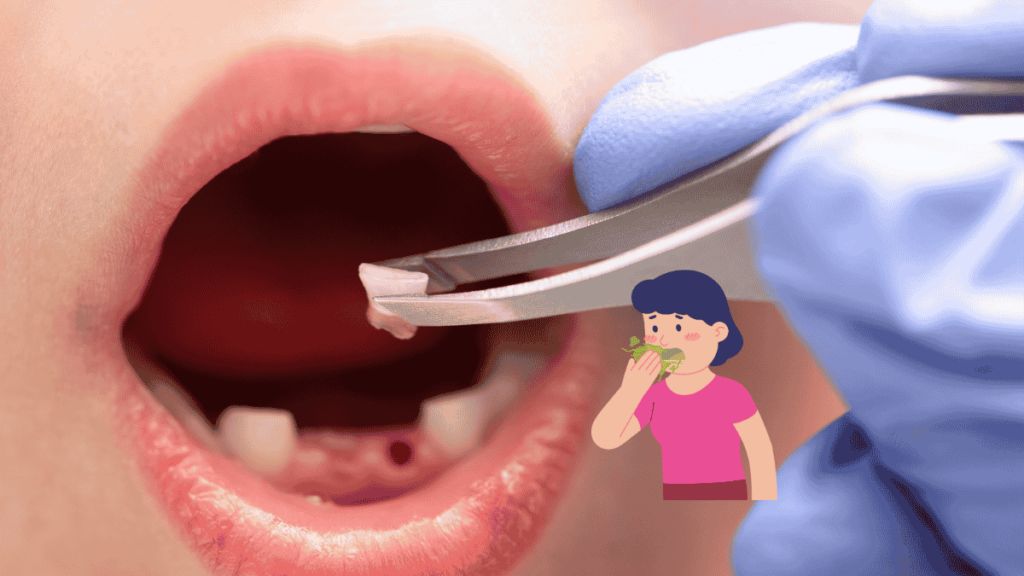
Tooth extraction is a minor surgical procedure where a dentist uses specialized tools to remove a damaged or problematic tooth from the jawbone. If surrounding tissues are well-protected and the operation is executed accurately, neighboring teeth are generally safe. Conversely, inadequate technique, excessive force, or improper use of instruments can cause minor vibrations or affect the gum tissue of adjacent teeth.
**Concerns About Tooth Stability Post-Extraction**
Many individuals worry that neighboring teeth might become loose after an extraction. Typically, this is not the case. The stability of teeth is primarily supported by periodontal ligaments and the structure of the alveolar bone. Removing one tooth does not immediately loosen others. However, if the extracted tooth served as a "supporting tooth" for a dental prosthesis, the change in support could alter the force direction on neighboring teeth over time, potentially causing them to tilt or shift. Thus, post-operative restoration is crucial.
**Post-Extraction Recovery and Neighboring Teeth Health**
The recovery period following an extraction is vital for the health of adjacent teeth. Dentists usually advise against vigorous rinsing, chewing hard foods, and emphasize keeping the wound clean for the first few days post-surgery. Ignoring these recommendations can lead to dislodged blood clots, affecting healing. Moreover, if the wound becomes inflamed, the infection might spread to nearby gums, causing mild pain or swelling in adjacent teeth. Therefore, post-operative care should not be overlooked.
**Evaluating
Risks of Tooth Extraction in Chinese Mainland**
Is there an added risk when opting for tooth extraction in Chinese Mainland? The key lies not in the location but in the dentists qualifications and the clinics equipment standards. Many dental clinics in major cities in Chinese Mainland boast advanced equipment and professionally trained dentists. Choosing a reputable medical institution generally ensures safety. Before making a decision, research the clinics background, the dentists experience, and the hygiene standards. Patient reviews can also be insightful. Avoid rushing into quick decisions driven by convenience.
**Adjusting to Changes Post-Extraction**
Some individuals may feel a slight discomfort or imbalance while chewing after a tooth extraction, which is often temporary. The absence of a tooth requires the tongue and jaw to adapt to the new arrangement. If discomfort persists, consult a dentist after the wound has stabilized to assess whether orthodontics or dentures are needed to improve force distribution.
**Maintaining Overall Oral Health**
Maintaining oral health is crucial. Regular dental check-ups, cleaning plaque, and practicing proper brushing techniques can prevent periodontal disease or alveolar bone resorption, reducing potential issues with neighboring teeth post-extraction. Often, the belief that "extraction affects neighboring teeth" stems from poor oral health rather than the extraction itself.
**Conclusion**
Traveling to Chinese Mainland for tooth extraction may not necessarily impact neighboring teeth. With correct techniques, proper post-operative care, and choosing a qualified dentist, you can undergo the procedure confidently. Regardless of where you choose to have your extraction, understanding your oral health and communicating effectively with your dentist is paramount. If youre still concerned, consider taking a full-mouth X-ray before extraction to allow the dentist to assess the alveolar bone and neighboring teeth thoroughly, ensuring comprehensive preparation for a safe procedure.
**Final Reminder**
Tooth extraction addresses immediate issues, but post-procedure care is crucial. Dont wait for tooth pain to visit the dentist. Regular check-ups every six months can maintain dental health, alleviating concerns about "extraction affecting neighboring teeth."
















