




**Handling Dental Filling Dislodgement After Treatment in Chinese Mainland**
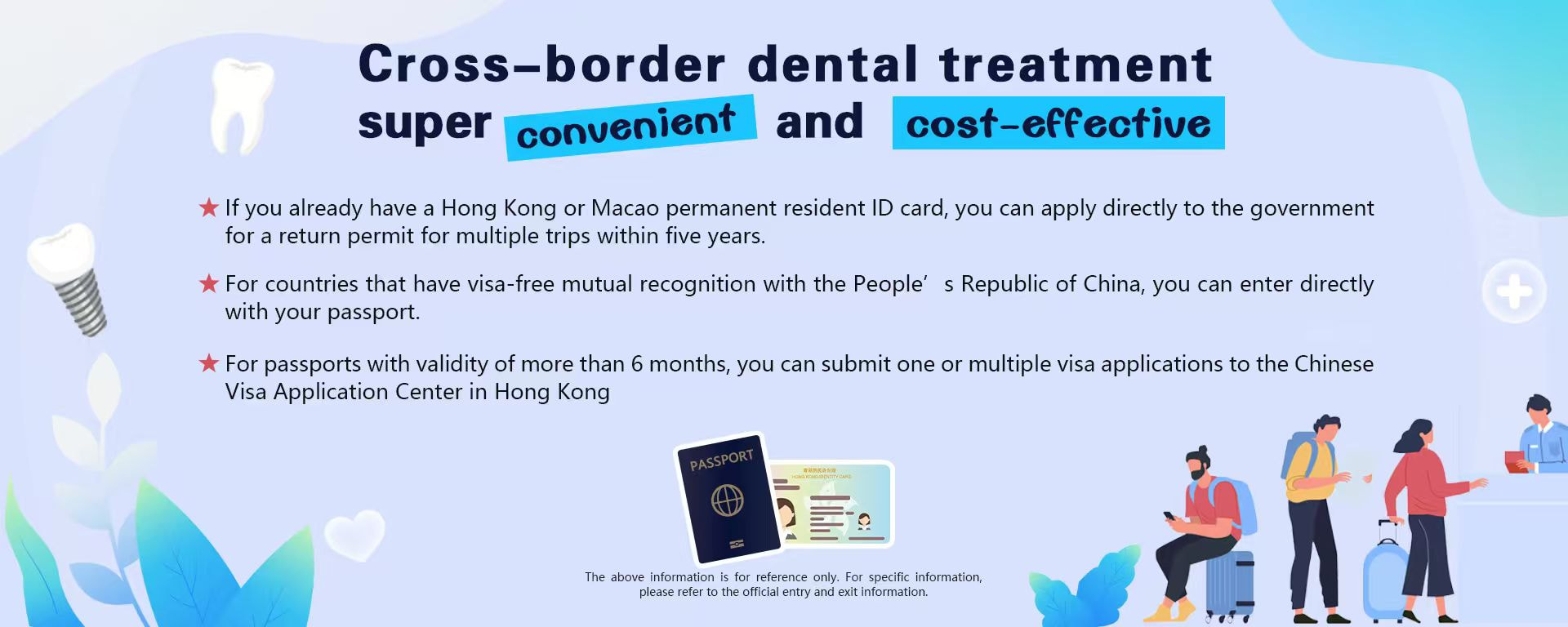
In recent years, many Hong Kong residents have opted to travel to cities like Shenzhen, Dongguan, or Guangzhou for dental treatments due to convenient transportation, numerous clinics, and a variety of services. Some undergo procedures such as dental bridges, implants, or fillings, only to find that once back in Hong Kong, the filling has unexpectedly dislodged. This situation is not uncommon, especially if the dental materials or crowns encounter hard foods, accidental impacts, or if the gum condition is unstable.
**Step 1: Maintain Oral Hygiene and Prevent Further Damage**
The first action upon noticing a dislodged filling is not to eat immediately but to keep the area clean and avoid further irritation. Rinse gently with warm water to ensure no debris remains between the teeth, which could foster bacterial growth. If the filling involves nerve or root exposure, it can lead to increased sensitivity or inflammation. Avoid eating hard or sticky foods that might exacerbate the damage.
**Step 2: Monitor Tooth and Gum Condition**
Observe if the affected tooth shows signs of bleeding, swelling, increased pain, or any unusual odor in the mouth. If pain is significant or the gums begin to swell and redden, seek dental advice promptly. This could indicate root issues or that the original filling method is no longer suitable.
**Step 3: Contact Your Original Dentist or Clinic**
If the dental work was done in Chinese Mainland, it’s advisable to contact the original dentist immediately to explain the situation and progress. Many clinics offer guidance or even arrange follow-up appointments, as they are familiar with your treatment history and can quickly assess the cause. Sometimes, the materials used differ from those in Hong Kong, requiring the original system for effective repair.
**Step 4: Assess
the Need for Temporary Solutions**
Not every dislodged filling necessitates an immediate trip back to the Mainland or extensive repairs. If you are in Hong Kong, consider consulting a local dentist for temporary protection, such as using temporary filling materials to cover the exposed area, reducing tooth exposure until you can revisit the original clinic. This approach minimizes further damage and facilitates daily eating.
**Step 5: Prevent Future Occurrences**
There are various reasons for fillings to dislodge, including biting hard objects, chronic teeth grinding, gum recession, and poor oral hygiene. To reduce the risk, cultivate the habit of brushing twice daily and using dental floss to clean between teeth. Avoid frequent consumption of hard-shelled foods or sticky sweets. Additionally, if you grind your teeth at night, consider using a night guard to alleviate pressure on the fillings.
**Step 6: Regular Check-Ups**
Whether receiving dental care in Hong Kong or Chinese Mainland, it’s best to have a dental check-up every six months to a year. Early detection of loose fillings or material wear can prevent severe dislodgement. Regular check-ups save time and effort while ensuring long-term dental health.
In summary, a dislodged filling after treatment in Chinese Mainland is not the end of the world. The key is timely intervention and avoiding delays. Maintaining oral hygiene, minimizing damage, and contacting a dentist familiar with your case is the fastest and safest approach. Remember, dental fillings are not just temporary fixes but require long-term habits and care to extend their effectiveness. With attentive daily care and regular check-ups, you can significantly reduce the chances of fillings dislodging again. Whether you choose to have dental work done in Hong Kong or Chinese Mainland, you can confidently enjoy the quality of life that healthy teeth bring.
















