








# Is It Risky to Get a Dental Filling Close to the Nerve in Chinese Mainland?
In recent years, many Hong Kong residents have considered traveling to Chinese Mainland for dental fillings. Whether for convenience or the wider range of dental services available, this trend has gained popularity. However, getting a dental filling is not merely about "filling a cavity." Dentists often caution that if the cavity is deep and close to the nerve, it may pose risks. So, is it dangerous to get a filling near the dental nerve in Chinese Mainland? Lets explore this topic from a practical perspective.
## Understanding the Dental Nerve
The dental nerve is essentially the pulp located in the center of the tooth, containing nerves and blood vessels that provide sensation and nourishment to the tooth. When tooth decay becomes severe and penetrates deep into the tooth, nearing or reaching the pulp, it can cause intense pain, sensitivity, or even pulpitis. At this stage, the complexity and risk of dental fillings increase significantly.
## Risks of Filling Near the Dental Nerve
When a cavity is close to the dental nerve, the dentist must carefully remove the decayed material during the filling process. If not done precisely, it could irritate the nerve, leading to pain or sensitivity for days or even weeks post-procedure. Some individuals may require further treatment, such as root canal therapy, commonly known as "nerve extraction," which adds another step to the treatment process.
Another risk is that even if the procedure goes smoothly, the tooth loses much of its protective layer, making the nerve more susceptible to external stimuli. Activities like drinking cold beverages or eating hot foods may trigger sensitivity. Over time, the nerve may become inflamed, necessitating further treatment.
## Key Considerations for Getting Fillings in Chinese Mainland
Firstly, its crucial to choose a dentist with a good reputation and professional qualification
s. Whether in Hong Kong or Chinese Mainland, the dentists skill and experience are vital, especially when dealing with situations close to the dental nerve. Precision and delicate handling are necessary to minimize the risk of nerve damage.
Secondly, communicate thoroughly with your dentist to understand your dental condition. Ask about the proximity of the cavity to the nerve, the potential need for root canal treatment, or any emergency plans. A patient dentist will provide confidence and a sense of security.
Thirdly, do not overlook post-filling follow-up care. Even if the filling is completed in one visit, if you experience pain, sensitivity, or swelling, seek dental advice promptly. Continuous monitoring and timely intervention can prevent complications.
## Daily Dental Care to Reduce Risks
To minimize the risk of issues involving the dental nerve, maintaining good oral hygiene is essential. Brush your teeth at least twice a day, use dental floss or interdental brushes, and reduce the consumption of sugary snacks and drinks. Keeping your teeth clean and healthy reduces the likelihood of cavities reaching the nerve.
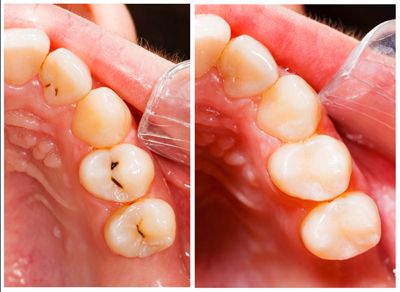
If you notice sensitivity or dark spots on your teeth, get them checked early. Dont wait until the pain becomes unbearable before seeking dental care. Early-stage fillings are typically shallow, posing lower risks and can be resolved quickly.
## Conclusion
Getting a dental filling near the nerve in Chinese Mainland is not inherently dangerous, but risks do exist. The key factors are the dentists professional skills and your follow-up awareness. By choosing reliable dental services and maintaining good oral hygiene, you can significantly reduce unnecessary complications even when the situation is close to the nerve. Regardless of where you choose to get your dental work done, remember that dental health is a long-term investment. Dont ignore small warnings; they ensure you can eat comfortably and smile confidently.
















