








**Assessing Your Dental Health Before Traveling to Chinese Mainland for Dental Treatment**
In recent years, many Hong Kong residents have opted to travel to the Chinese Mainland for dental care. The convenience of transportation and modern facilities, along with the opportunity to experience different dental services, are attractive reasons for this choice. However, whether you are heading to Shenzhen, Guangzhou, or other cities, its important not to rush directly to the clinic upon arrival. Conducting a self-assessment of your dental health before treatment can not only streamline the process but also prepare you mentally and facilitate precise communication with your dentist.
**1. Check for Visible Dental Issues**
During your daily brushing or rinsing routine, take note of any cavities, cracks, or discoloration on your teeth. If your tongue detects any indentations or you experience mild pain while chewing, these may indicate dental problems. Additionally, swollen or bleeding gums can signal potential issues with your dental or periodontal health.
**2. Pay Attention to Chewing and Eating Sensations**
Some dental problems may not be visible but can be felt when chewing. If you notice that your teeth lack strength or struggle to grip food, or if you experience soreness when biting hard foods, these are signs to be aware of. Documenting these sensations can aid in explaining them to your dentist, enabling quicker identification of the problem.
**3. Review Your Oral Care Habits**
Evaluating your dental health involves more than just current symptoms; it also requires understanding your oral care routine. Do you brush your teeth regularly? Do you use dental floss? Are your dietary habits inclined towards sugary, cold, or hard foods? These factors can impact your dental health. Being aware of your lifestyle habits can help identify potential causes of dental issues.
**4. Consider Your Dental Treatment History**
If you have previously undergone treatments like fillings, root canals, cleanings, or braces, its beneficial to note the dates and locations of these procedures. Sharing this information with the dentist in the Chinese Mainland can prevent redundant treatments and ensure past issues are not overlooked. Your treatment h
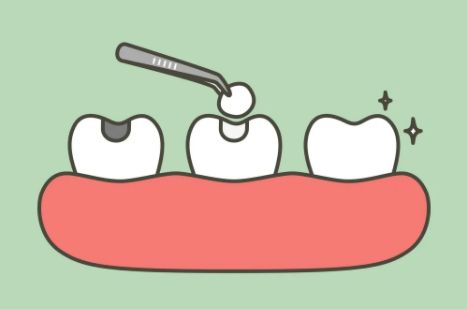
istory can assist the dentist in analyzing your dental structure and prioritizing areas that need attention.
**5. Assess Tooth Sensitivity**
Even if you dont have cavities, your teeth may be unusually sensitive, causing discomfort when consuming cold or acidic foods. By noting and recording these sensitivities beforehand, you can clearly communicate them at the clinic, avoiding excessive stimulation during treatment and choosing the most suitable treatment plan.
**6. Monitor Overall Oral Health**
Beyond your teeth, other oral areas require attention. Check for abnormalities on your tongue, lesions or ulcers on the inner mouth lining, and persistent bad breath, which may indicate periodontal disease or other health issues. Being proactive about these signs allows for comprehensive examination by your dentist.
**7. Capture Photos or Keep Records**
To prevent forgetting details, use your smartphone to photograph problematic areas of your teeth or jot down daily observations. These records not only help you remember but also provide the dentist with a visual reference.
**8. Prepare Mentally and Set Realistic Expectations**
Dental environments in the Chinese Mainland may differ from those in Hong Kong, so its crucial to prepare mentally for variations in appointment processes, communication styles, and even medication types. Clarify your desired outcomes, whether its solely repairing cavities or also enhancing aesthetics, and organize your thoughts before discussing them with your dentist.
**Conclusion**
Traveling to the Chinese Mainland for dental treatment should not be a spur-of-the-moment decision. By assessing your dental health in advance, you can enhance the efficiency of the process and mitigate unnecessary risks. Observing the condition of your teeth, chewing experiences, lifestyle habits, previous treatment history, and tooth sensitivity will give you a comprehensive understanding of your oral health. This preparation allows you to effectively communicate your concerns, ensuring you receive the best-suited treatment plan despite differences in the dental environment. Remember, maintaining a healthy smile is an essential part of daily life, and early detection and treatment of dental issues are key to preserving it.
















