



**Differences in Post-Treatment Dental Care for Children After Dental Fillings in Chinese Mainland**
In recent years, many parents in Hong Kong have opted to take their children to Chinese Mainland for dental fillings. The reasons extend beyond convenient transportation and easy appointment scheduling; certain regions offer dental services employing different techniques and care methods. Dental fillings are a common procedure, but post-treatment care is crucial to maintain the effectiveness and reduce discomfort, which is a major concern for parents. There are subtle differences in post-treatment care between Chinese Mainland and Hong Kong, primarily due to variations in dental practices, materials used, and aftercare recommendations.
**Immediate Post-Treatment Dietary Guidelines**
After receiving dental fillings in Chinese Mainland, dentists often emphasize immediate dietary management. For instance, some dentists may advise against consuming hard foods or cold drinks for a few hours post-treatment and recommend avoiding chewing on the treated side to allow the filling material adequate time to stabilize. In contrast, Hong Kong dentists typically focus on long-term care, such as proper brushing techniques and the importance of regular check-ups. Therefore, if your child has received dental treatment in Chinese Mainland, it is essential to adhere to the short-term dietary guidelines provided by the dentist to ensure optimal recovery.
**Materials and Sensitivity**
The materials used for dental fillings can vary between regions. Dentists in Chinese Mainland might use different types of filling materials, some of which may be harder or more closely resemble natural tooth color but could be sensitive to temperature changes. Consequently, children may experience discomfort with hot or cold foods post-treatment. Parents should monitor their childs reactions during meals, such as facial expressions or avoidance of certain foods, and maintain communication with the dentist if noticeable discomfort arises.
**Brushing and Oral Hygiene Practices**
Post-treatment, some dentists in Chinese Mainland recommend using a toothbrush with softer bristles and advise against applying excessive force when brushing around the filling, especially if the material hasnt fully set. While Hong Kong dentists may offer similar advice, they often encourage children to maintain their usual oral hygiene habits to prevent a decline in oral health. Reg
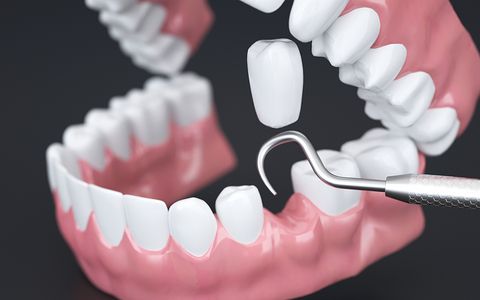
ardless of where the treatment occurs, parents should assist their children in brushing, particularly during the first week, to ensure the correct technique and pressure are used without damaging the filling.
**Follow-Up Appointments**
Follow-up schedules also differ. After dental treatment in Chinese Mainland, dentists may suggest a shorter revisit period, such as a few weeks later, to verify the stability of the filling and the childs adaptation. In Hong Kong, routine follow-ups might occur every six months. This discrepancy requires Hong Kong parents to be diligent in tracking follow-up dates, potentially arranging a return visit to Chinese Mainland or consulting a local dentist for a check-up to ensure the dental health is uncompromised.
**Psychological Adaptation**
Psychological comfort is another significant factor. Children may feel anxious or fearful about dental treatments regardless of the location. However, the environment and language differences in Chinese Mainland can add to the stress if the dentist communicates in Mandarin, which the child may not fully understand. Parents should be present to explain and reassure their child. After returning to Hong Kong, parents can use engaging methods like storytelling or games to teach care steps, making dietary caution and gentle brushing part of their daily routine, thus reducing resistance.
**Conclusion**
Its crucial for parents to remember that whether dental fillings are done in Chinese Mainland or Hong Kong, successful care requires more than a single set of instructions. Continuous attention to oral health is vital, especially regarding dietary habits and brushing techniques. If signs of discoloration, chipping, or complaints of pain occur at the filling site, its imperative to arrange a dental check-up promptly. Given the potential challenges in scheduling immediate appointments post-treatment in Chinese Mainland, effective home care becomes even more critical.
In summary, dental fillings in Chinese Mainland are not inherently problematic for children. The key is understanding and implementing the dentists care recommendations while integrating Hong Kongs daily habits. In the short term, focus on dietary caution and protection of the filling site; in the long term, maintain good oral hygiene and regular check-ups. With patience and dedication, parents can help their children adapt smoothly, ensuring lasting and healthy results from the dental treatment.
















