



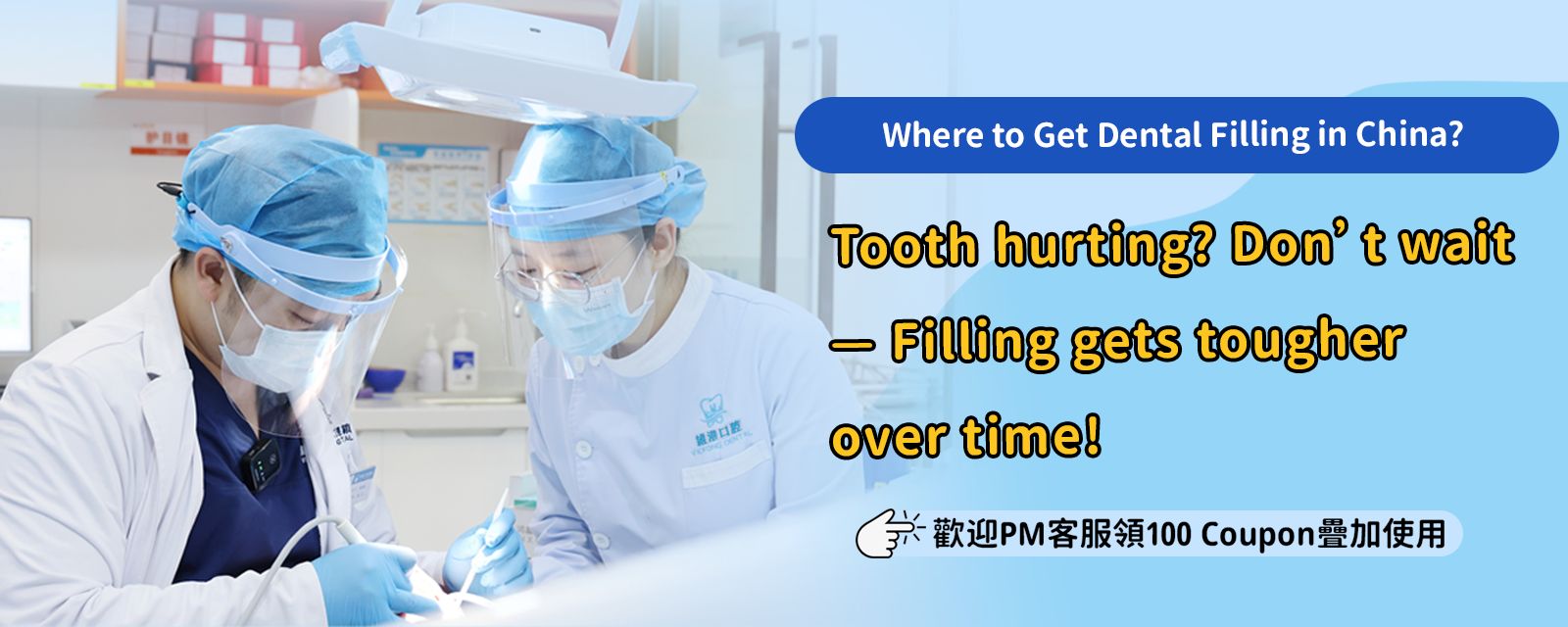
**Is Dental Care in Chinese Mainland Becoming More Popular Among Hong Kong Residents?**
In recent years, the topic of "To Chinese Mainland for dental care" has become increasingly popular among Hong Kong residents. Whether in social circles, online forums, or casual conversations at local cafes, more people are considering the option of traveling to Shenzhen or other cities for dental services. What was once a novel idea is now a growing trend, and the reasons behind this shift are becoming increasingly clear.
**The Appeal of Modern Facilities and Experience**
The primary attraction is undoubtedly the service environment and overall experience. Many who have ventured to Chinese Mainland for dental care report that the clinics there are spacious, equipped with state-of-the-art technology, and boast aesthetically pleasing designs. The experience is often likened to a relaxing spa visit, contrasting sharply with the cramped and rushed atmosphere of traditional Hong Kong clinics. The welcoming staff and thorough explanations provided by mainland dental professionals further enhance patient confidence, making word-of-mouth recommendations particularly influential.
**Convenient Transportation Enhances Accessibility**
The ease of transportation is another significant factor driving this trend. With the extensive network of high-speed trains, subways, and buses between Hong Kong and Shenzhen, reaching a dental clinic in Chinese Mainland can take roughly an hour. What once required a full-day trip can now be accomplished in half a day, significantly reducing the time investment and encouraging more people to give it a try.
**Transparent Information Builds Trust**
The availability of detailed experiences shared online by Hong Kong residents who have received dental care in Chinese Mainland also contributes to the growing trust in these services. Whether its teeth cleaning, fillings, braces, or implants, individuals provide comprehensive reviews of clinics, dentists, and their overall experiences. These genuine testimonials are often more persuasive than advertisements. Additionally, the emphasis on international certifications and professional training by mainland dental institutions has further bolstered confidence among Hong Kong citizens.
**Considerations and Cross-Border Collaboration**
However, its important to note that dental care in Chinese Mainland isn
t universally preferred. While some praise the quality of service, others express concerns about follow-up care, especially if frequent visits are required post-treatment. As a result, many opt to have initial consultations in Hong Kong before deciding whether to proceed with treatment in Shenzhen. This hybrid approach is increasingly common.
**A Reflection of Changing Consumer Habits**
From a societal perspective, the trend of seeking dental care in Chinese Mainland reflects a shift in Hong Kongs consumer habits. Previously, there was skepticism towards mainland medical services, but with the development of the Greater Bay Area and the free flow of information, boundaries are becoming less defined. Beyond dental care, services such as dermatology, health check-ups, and cosmetic treatments are also experiencing a "To Chinese Mainland" trend. This phenomenon signifies an increasing integration of lifestyles between Hong Kong and Chinese Mainland, highlighting a growing demand for quality service.
**Ensuring Sustainable Growth**
For this trend to continue, institutional support is crucial. Enhanced communication of medical records between regions and the establishment of complaint and regulatory mechanisms can ensure patient protection. Meanwhile, Hong Kongs dental industry can learn from the service models of mainland clinics to improve comfort and customer experience. Competition isnt inherently negative; it can drive overall industry progress.
**The Future of Cross-Border Dental Care**
In the long term, the key to popularizing dental care in Chinese Mainland lies in trust and convenience. If residents find transportation easy, feel secure, and are satisfied with the service, more will be inclined to try it. Once this habit is established, reversing it will be challenging.
In summary, the trend of seeking dental care in Chinese Mainland has evolved from an initial curiosity to a new norm, driven by practical considerations, economic factors, and changes in lifestyle habits. As technology advances and medical standards improve, this trend is likely to continue expanding. For Hong Kong residents, balancing convenience with safety and experience with trust will be a central concern in the coming years. Regardless, this phenomenon already reflects the new lifestyle brought about by Greater Bay Area integration, with dental services being just one example.
















