



**Handling Dental Filling Looseness After Treatment in Chinese Mainland**
In recent years, many Hong Kong residents have opted to travel to the Chinese Mainland for dental fillings. The primary reasons are the convenience of transportation and the often lengthy wait times for appointments with dentists in urban areas. Cities like Shenzhen and Dongguan offer quicker access to dental services. However, some individuals find that shortly after returning to Hong Kong, their dental fillings feel loose or uncomfortable during chewing. Today, we will discuss how to address and follow up on dental filling looseness after treatment.
Firstly, a loose filling does not necessarily indicate a failed dental procedure. Materials used in fillings, such as resin or porcelain, may shift slightly due to biting pressure, dietary habits, or the original structure of the tooth. Particularly for those who have dental work done in the Chinese Mainland, the focus may have been on specific areas during treatment, but differences in lifestyle and food hardness upon returning to Hong Kong can affect the fillings stability.
If you notice a slight misalignment or uneven bite after your dental filling, the first step is to gently use your tongue to feel for any gaps or protruding edges around the filling. If there is a noticeable discrepancy, it is important to consult a dentist promptly. Delaying action can lead to plaque accumulation, which may cause further decay or gum inflammation over time.
For those who have had dental work done in the Chinese Mainland and are concerned about the inconvenience of returning for follow-up visits, a preliminary check-up with a Hong Kong dentist can be beneficial. Immediate removal of the filling is not always necessary. In some cases, minor adjustments can improve bite alignment and reduce pressure. If the filling material does not bond well with the tooth, a replacement may be required, along with an examination for any cracks or untreated deep cavities in the original tooth.
Maintaining cleanliness around the filling is crucial in daily life. Even with new fillings, it is important to use dental floss or an oral irrig
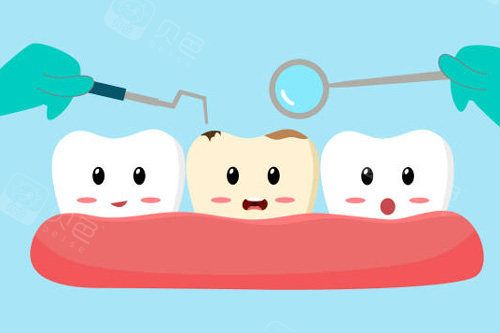
ator to clean the gaps on both sides, especially near the filling.
If the looseness is not severe, good oral hygiene can slow down the progression of the issue, allowing you time to schedule a follow-up appointment. When eating, try to avoid using the side with the filling to bite into particularly hard foods, such as hard-shelled nuts, frozen candies, and ice cubes, to minimize stress on the filling.
Additionally, some individuals may experience sensitivity to hot and cold after a filling, which can be due to inadequate sealing of the filling or a strong reaction from nearby dental nerves. If sensitivity persists for more than two weeks, it is advisable to consult a dentist to determine if adjustments or material replacement are necessary.
While the convenience of dental treatment in the Chinese Mainland is appealing, post-treatment care should not be overlooked. Even if the filling procedure goes smoothly, there may still be underlying issues with the teeth that require regular check-ups for early detection. Sometimes, dentists recommend occlusal testing to ensure that the new filling and adjacent teeth distribute pressure evenly, which helps maintain longevity.
Finally, do not shy away from follow-up appointments due to inconvenience. Dental materials are not indestructible and may wear or deteriorate over time. If you experience discomfort after returning to Hong Kong from the Chinese Mainland, communicate the details to your dentist, including the filling location, material type, and treatment process, for targeted care.
In summary, discovering a loose dental filling is not a catastrophe, but it should be taken seriously. Whether receiving treatment in the Chinese Mainland or Hong Kong, follow-up examinations and good oral habits are essential. Keeping teeth clean, reducing the force applied to hard foods, and regular check-ups are key to ensuring the effectiveness of dental fillings and overall oral health. Dental fillings are not a one-time fix; they require ongoing maintenance. As cross-border treatments become more common, learning to manage these minor issues will allow you to enjoy food and smiles with peace of mind.
















