



**How to Communicate with Your New Dentist After Dental Treatment in Chinese Mainland**
In recent years, many Hong Kong residents have opted for dental treatments in Chinese Mainland for various reasons, such as seeking more options, convenient scheduling, or recommendations from friends. However, dental health is crucial, and if further follow-up is required after treatment, or if you wish to consult a dentist in Hong Kong, its essential to clearly explain your previous dental procedures to ensure accurate diagnosis and treatment planning.
**Key Steps for Effective Communication with Your New Dentist**
1. **Document Your Dental Treatment Details**: Regardless of which city you received dental care in, remember to note the date and location of your treatment. It’s advisable to consult a dentist in Hong Kong as soon as possible after returning. When meeting your new dentist, start with basic information, such as “I had my left lower incisor treated in Shenzhen last month” or “I had a molar filling in Guangzhou.” This helps the dentist quickly identify the treated area.
2. **Describe Pre- and Post-Treatment Symptoms**: Clearly articulate any symptoms you experienced before and after the treatment. If you had pain, sensitivity, or inflammation prior to the procedure, and whether these issues have improved or persist afterward, it’s crucial to communicate this. For example: “Eating cold foods caused sharp pain before, but after the filling, the discomfort has lessened, though biting hard foods still causes some pain.” These details are invaluable for diagnosis.
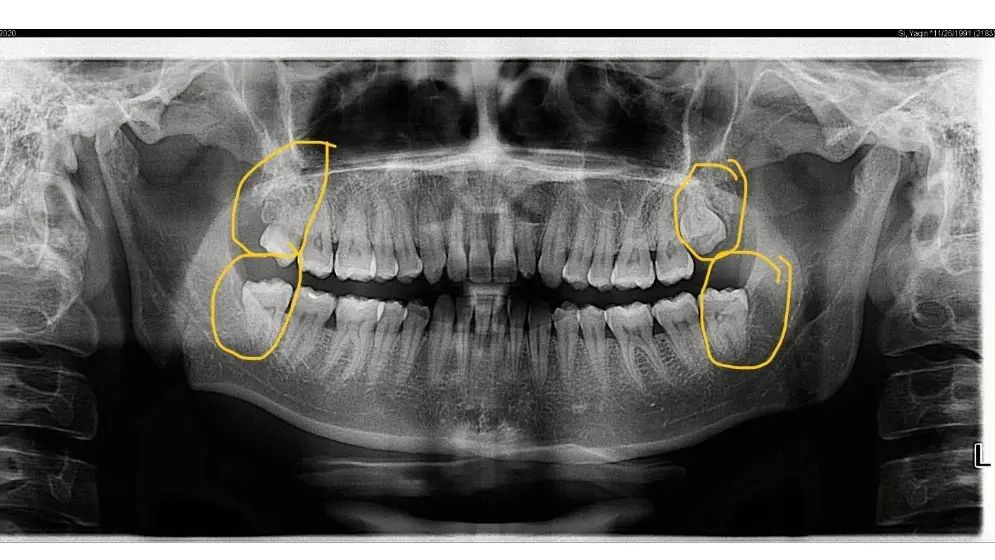
3. **Provide Relevant Records**: Bring any records from your treatment in Chinese Mainland, such as X-rays or treatment notes. While not all clinics provide comprehensive reports, any available information can assist your new dentist in making informed decisions. If no records are available, describe the treatment using your memory, utilizing tooth numbers (1 to 32) or directional terms like front, back, left, and right.
4. **Discuss Materials and Methods Used**: Inform your new dentist about the materials and methods used for your dental treatment. Whether it involved white resin, silver amalgam, or other modern materials, and the size of the filling a
rea, these details matter. Even if you’re unfamiliar with technical terms, describe the color, shine, or texture: “The surface of the filled tooth is off-white and smooth like porcelain” or “There seems to be a silver material inside.” This helps the dentist deduce the type of material used, facilitating future care and examinations.
5. **Report Any Changes**: If there are any changes at the filling site, such as discoloration, chipped edges, discomfort in biting, or recurring sensitivity to hot or cold, inform your dentist immediately. Additionally, mention if you’ve consumed hard foods or experienced any trauma to the teeth since the treatment.
**Preparation Steps for Communicating with Your New Dentist**
- **Dental Treatment Background**: Date, city, and tooth location.
- **Pre-Treatment Symptoms**: Pain, sensitivity, gum condition.
- **Treatment Details**: Materials, methods, completion time.
- **Post-Treatment Feelings**: Improvements and remaining issues.
- **Changes Over Time**: Dietary habits, changes in tooth appearance.
Some patients worry that dentists might be reluctant to follow up on treatments not performed in Hong Kong. However, most professional dentists are willing to assist as long as you provide sufficient information, ensuring safer and more effective treatment. Dental care often requires multiple follow-ups to stabilize, so clear communication is key.
Additionally, dont hesitate to ask questions during your consultation. Inquire about the durability of the filling material, the need for additional protective measures like crowns, or whether further treatment is necessary for sensitivity issues. Through mutual understanding, you can gain insights into your dental health and risks, while the dentist can recommend the most suitable treatment plan.
Ultimately, undergoing dental treatment in Chinese Mainland does not preclude further checks in Hong Kong. Coordinated care ensures the longevity and health of your teeth. Remember, maintaining good daily oral hygiene and regular dental cleanings contribute to lasting filling results. Regardless of where you received treatment, when consulting a new dentist in Hong Kong, honest and thorough communication is the best way to safeguard your health.
















