



Summary: Dental implant treatment represents a groundbreaking solution for individuals facing tooth loss, blending functionality with aesthetics to enhance one’s overall quality of life. This article delves into the transformative impact of dental implants on oral health, emotional well-being, and social interactions. We explore the procedural advancements in implant technology, their role in maintaining jawbone integrity, psychological benefits, and the contribution towards boosting self-esteem and personal confidence. Through understanding these multiple dimensions, we can appreciate how dental implants are revolutionizing smiles, offering a brighter and more fulfilling future for many.
1. Technological Advancements in Implantology
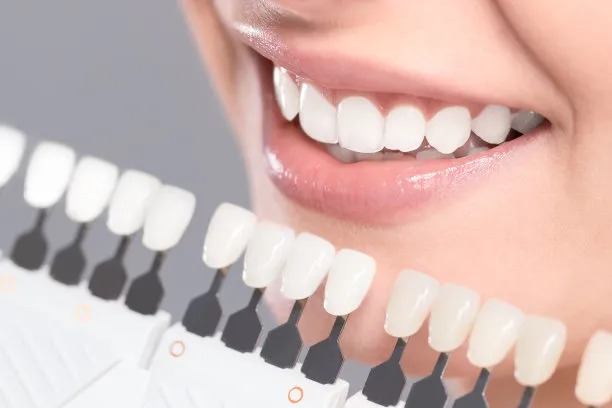
Dental implants have undergone significant technological transformations in recent years. Previously, dental implant procedures could be lengthy and complicated, but advancements in imaging techniques and materials have streamlined the process. Modern techniques, including 3D imaging and computer-aided design, enable precise planning and execution of implants, ensuring a tailored fit for each patient.
Additionally, the materials used for dental implants have improved dramatically. Today, titanium and zirconia are prevalent, both known for their durability and biocompatibility. The integration of these materials with the jawbone allows for a more secure and lasting bond, translating to better overall functionality.
Furthermore, digital workflows and guided surgery techniques minimize the potential for complications and enhance the accuracy of implant placement. This evolution not only reduces surgery time but also significantly improves patient outcomes, thereby showing how technology is revolutionizing dental implants.
2. Restoring Jawbone Integrity and Functionality
One of the critical advantages of dental implants is their role in preserving jawbone health. Tooth loss can lead to bone resorption, where the jawbone begins to deteriorate due to lack of stimulation. Dental implants act as artificial tooth roots, providing the necessary stimulation to the jawbone, which helps maintain its density and structure.
This restoration of functionality is essential, as loss of jawbone can cause facial sagging, making individuals appear older than their actual age. By supporting the jawbone, dental implants not only help maintain a youthful appearance but also ensure proper alignment of nearby teeth, facilitating better oral function.
Moreover, by restoring full chewing functionality, patients can enjoy a diverse range of foods, which significantly enhances their nutrition and overall health. The ability to eat comfortably without limitations contributes enormously to ones quality of life.
3. Emotional and Psychological Benefits
The emotional impact of missing teeth can be profound. Individuals may experience feelings of embarrassment or self-consciousness, affecting their social interactions. Dental implants provide a comprehensive solution that goes beyond physical restoration; they also work wonders for mental health.
Having a complete set of teeth restores confidence, allowing individuals to smile freely and engage in conversations without inhibition. Research shows that patients who undergo dental implant treatment report significant improvements in their quality of life and social interactions post-surgery.
Furthermore, dental implants help alleviate feelings of anxiety regarding one’s appearance. The newfound confidence can lead to broader social engagement, better relationships, and even advancements in professional life, illustrating how dental implants positively influence psychological well-being.
4. The Impact on Self-Esteem and Quality of Life
As dental implants restore aesthetics, they play a crucial role in boosting self-esteem. A radiant smile is often associated with attractiveness and friendliness, and having implants can significantly enhance one’s personal image. The psychological transformation stemming from a perfect smile cannot be underestimated as it reinforces positive self-perceptions.
Additionally, individuals with dental implants often experience a heightened sense of independence. Unlike dentures, which may slip or feel uncomfortable, dental implants offer stable functionality, allowing people to participate in social activities without worry or discomfort.
Ultimately, the positive ripple effects extend beyond individual lives to families and communities, as improved self-esteem and confidence encourage people to engage more fully with the world around them. The quest for a bright and satisfying future begins with the dental solutions that empower individuals, and dental implants are at the forefront of this change.
Summary:
In conclusion, dental implant treatment represents a revolutionary approach that not only restores functionality and aesthetics but also significantly improves emotional and psychological well-being. Through advancements in technology, preservation of jawbone integrity, emotional benefits, and an elevated sense of self-esteem, dental implants are indeed transforming lives.
This article is compiled by Vickong Dental and the content is for reference only.
















