



Summary: Dental implant treatment has emerged as a revolutionary solution for restoring smiles and improving oral health. This article explores four key benefits: enhanced aesthetics, improved oral functionality, long-term health advantages, and psychological well-being. Each aspect emphasizes the significance of dental implants not only in restoring individual teeth but also in securing overall oral health and boosting self-confidence. As dental technology continues to advance, the role of implants in modern dentistry becomes increasingly vital, offering patients a sustainable and appealing option for dental restoration. Understanding these benefits helps individuals make informed decisions about their dental health, ultimately leading to improved quality of life.
1. Enhanced Aesthetics and Confidence
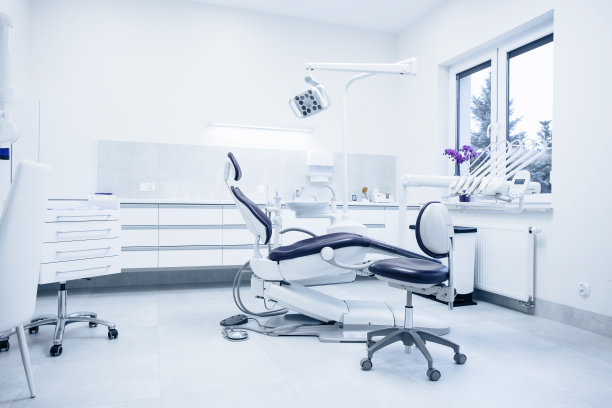
One of the most significant advantages of dental implants is their ability to restore aesthetics. Missing teeth can detract from your smile, leading to feelings of self-consciousness. Dental implants are designed to resemble natural teeth closely, providing a seamless and attractive appearance. Patients often report an immediate boost in their confidence levels following their implant procedures.
Furthermore, the success of dental implants in mimicking natural teeth makes them a preferred choice over traditional dentures. Unlike removable dentures, which can sometimes appear artificial, dental implants offer a fixed solution that enhances not only the look but also the feel of teeth. This improved aesthetic appeal encourages many people to smile more freely, positively affecting their social interactions.
Ultimately, the psychological benefits of regaining one’s smile should not be underestimated. A confident smile can influence a person’s mini-journey in various aspects of life, including career advancements, personal relationships, and overall happiness.
2. Improved Oral Functionality
Dental implants significantly enhance oral functionality by restoring full chewing capability. When a tooth is lost, the adjacent teeth can shift, leading to bite misalignment and difficulty in eating. Implants provide a stable foundation for artificial teeth, allowing individuals to enjoy a more varied and nutritious diet without discomfort or apprehension.
The stability offered by dental implants also plays a crucial role in preserving the jawbone structure. When teeth are lost, the jawbone may begin to deteriorate over time due to lack of stimulation from tooth roots. Dental implants stimulate the bone just like natural teeth, helping to maintain its density and integrity. This prevents further dental issues down the line and promotes better overall health.
Moreover, the ease of maintenance for dental implants adds to their functionality. Unlike traditional dentures that may need to be removed and cleaned separately, implants can be cared for just like natural teeth, requiring regular brushing and flossing, making them a practical choice for daily oral care.
3. Long-Term Health Advantages
Beyond aesthetics and functionality, dental implants offer significant long-term health advantages. With proper care and maintenance, they can last a lifetime, making them a cost-effective solution in the long run. Unlike other dental restoration options that may require replacement or adjustment over time, implants provide a durable solution that can withstand the rigors of daily use.
Moreover, dental implants help in preventing bone loss in the jaw, which is often a concern with missing teeth. This preservation not only helps maintain facial structure but also reduces the risk of future dental complications. Patients with a robust jawbone are less likely to face issues such as tooth migration or shifting, ensuring that their overall oral health remains intact.
Additionally, implants can contribute to better oral hygiene. There are no gaps for bacteria to accumulate, as is often the case with bridges and dentures. This reduces the risk of gum disease, tooth decay, and other oral health troubles, contributing to improved overall health.
4. Psychological Well-Being and Quality of Life
Investing in dental implants is akin to investing in ones psychological well-being. When individuals regain their ability to smile confidently, their self-esteem improves, influencing their mental health positively. This newfound confidence often spills over into other areas of life, resulting in a more fulfilled existence.
Moreover, the physical comfort associated with dental implants cannot be overlooked. Unlike ill-fitting dentures that may cause discomfort or irritation, dental implants are securely anchored in place, eliminating the constant worry about slippage during eating or speaking. This reassurance allows patients to engage more freely in social and professional settings.
Furthermore, the emotional payoff of a radiant smile leads to a better quality of life. With enhanced social interactions and reduced anxiety regarding dental aesthetics, individuals find it easier to form connections and pursue opportunities without the fear of judgment based on their dental health.
Summary:
In conclusion, exploring the benefits of dental implant treatment reveals how it can profoundly impact one’s smile and oral health. From improved aesthetics and functionality to long-term health advantages and enhanced psychological well-being, dental implants present a multifaceted solution for those seeking dental restoration. As technology advances, the relevance of dental implants in today’s world becomes increasingly evident, making them a worthwhile consideration for anyone facing tooth loss.
This article is compiled by Vickong Dental and the content is for reference only.
















