



Summary: Dental implants have revolutionized the field of dentistry, providing a permanent solution for missing teeth. In this comprehensive guide, we explore the myriad benefits of dental implant treatment, which include improved aesthetics, enhanced oral health, and increased functionality. The article outlines the step-by-step procedures involved in receiving dental implants, illustrating that this treatment option is suitable for individuals of all ages—from children to seniors. We also address common myths surrounding dental implants, assuring patients of their safety and effectiveness. With a focus on thorough education, this guide aims to empower patients to make informed decisions about their oral health and discover how dental implants can enhance their quality of life.
1. Advantages of Dental Implants for All Ages
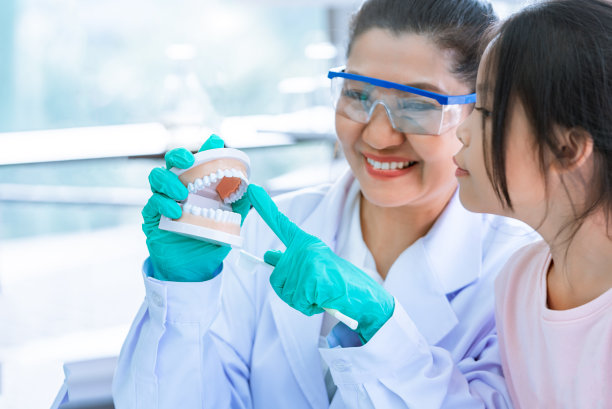
Dental implants offer numerous advantages regardless of a patients age. Firstly, they provide superior durability compared to traditional dentures and bridges. Unlike these removable options, dental implants are anchored securely in the jawbone, allowing for better stability and function. Patients can eat their favorite foods without the fear of their implants shifting or dislodging.
Secondly, dental implants not only restore functionality but also improve the aesthetic appearance of the smile. With advancements in technology, implants can be customized to blend seamlessly with existing teeth, leading to a natural look. This boosts the patient’s confidence, making them more likely to engage in social activities.
Lastly, dental implants contribute significantly to oral health. By replacing missing teeth, they help maintain jawbone density, preventing the bone loss that typically occurs with gaps. This preservation of bone structure is crucial for maintaining facial features and overall oral functionality.
2. Procedures Involved in Dental Implant Treatment
The process of receiving dental implants begins with a thorough evaluation by a dental professional. This initial consultation involves imaging scans and assessments to determine the best course of action tailored to the patients specific needs and oral health status. Proper planning at this stage is vital for a successful outcome.
Once approved for the procedure, the next step involves the surgical placement of the implant. During this phase, a titanium post is secured into the jawbone, acting as a substitute for the natural root of a tooth. Patients may experience mild discomfort during recovery, but proper aftercare can alleviate these issues.
Finally, once the implant has properly integrated into the bone—a process called osseointegration—a crown or bridge is placed on the implant. This final restoration enhances the functionality and appearance of the tooth, completing the dental implant journey.
3. Myths and Facts about Dental Implants
Despite their growing popularity, several myths surrounding dental implants continue to persist. One common misconception is that the procedure is painful. However, advancements in dental technology and anesthesia options significantly minimize discomfort during and after the surgery.
Another myth is that dental implants are only suitable for older adults. In reality, age is not a determining factor for implant candidacy. As long as the patient has sufficient bone density and overall good health, implants can be an option for individuals of all ages, including teenagers.
Additionally, some believe that dental implants require excessive maintenance. In truth, caring for dental implants is similar to caring for natural teeth. Regular brushing, flossing, and routine dental visits keep them in excellent condition, ensuring their longevity.
4. Long-Term Care and Maintenance of Implants
The longevity of dental implants heavily relies on proper care and maintenance. Following the dentists post-operative instructions is crucial for healing and the success of the implant. Patients should avoid hard foods and maintain excellent oral hygiene during the initial recovery period.
Long-term care involves regular dental check-ups to ensure the implant and surrounding tissues remain healthy. Professional cleanings help remove any plaque build-up that may accumulate around the implant, which could lead to complications if neglected.
Moreover, adopting a healthy lifestyle—including a balanced diet and cessation of smoking—greatly influences the durability of dental implants. Patients who prioritize their overall health tend to have better outcomes with dental treatments.
Summary:
In conclusion, dental implants present a reliable, aesthetic, and functional solution for individuals of all ages facing tooth loss. By understanding the benefits, procedural steps, and necessary maintenance involved, patients can confidently consider dental implants for their oral health needs. This comprehensive guide aims to demystify the process and highlight the advantages of this treatment option.
This article is compiled by Vickong Dental and the content is for reference only.
















