



Summary: Dental implants have revolutionized tooth replacement, providing a durable and natural-looking solution for those who have lost teeth. This comprehensive guide outlines the various types of dental implants, their benefits, and what patients can expect throughout the treatment process. With insights on preparation, healing, and maintaining implants, individuals will feel empowered to make informed decisions about their dental health. By understanding the journey to a new smile, patients can approach their implant treatment with confidence and clarity, adopting a proactive role in their oral care.
1. Overview of Dental Implant Types
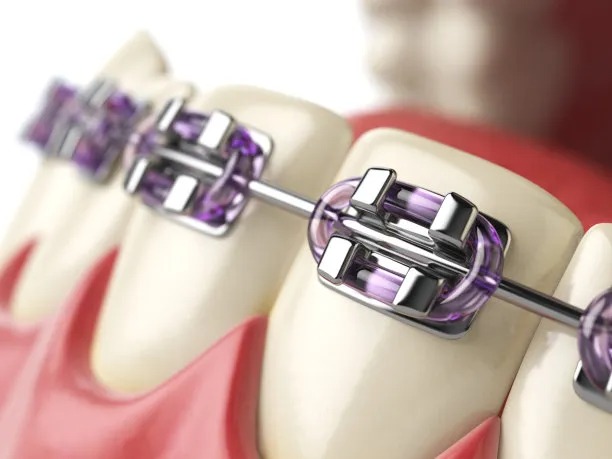
Dental implants vary widely in terms of design and application. The two primary types are endosteal implants, which are surgically placed directly into the jawbone, and subperiosteal implants, which are situated beneath the gum tissue but on or above the jawbone. Endosteal implants are the most common type, providing a solid foundation for crowns, bridges, or dentures.
Additionally, there are different materials used in dental implants, with titanium being the most popular due to its biocompatibility and strength. Zirconia implants offer a metal-free alternative that some patients prefer. Understanding these options can help patients choose the right type for their specific needs.
Another aspect to consider is the potential for mini implants. These smaller versions of traditional implants can be used in cases where there is insufficient bone density. They are particularly beneficial for stabilizing dentures, offering patients a more secure fit with less invasive surgery.
2. Benefits of Dental Implants
One of the most significant advantages of dental implants is their durability. Unlike other tooth replacement options, implants can last many years, often a lifetime, with proper care. This longevity makes them a cost-effective solution in the long run, despite their higher initial investment.
Another notable benefit is improved aesthetic appeal. Dental implants not only look and feel like natural teeth, but they also restore functionality, allowing individuals to eat, speak, and smile with confidence. They help maintain facial structure by preventing bone loss that can occur after tooth loss.
Furthermore, dental implants promote overall oral health. They do not require alterations to adjacent teeth, as bridges do, preserving the integrity of surrounding natural teeth. This characteristic makes implants a healthier choice overall, leading to a more balanced and functional bite.
3. Preparing for Implant Surgery
Preparing for dental implant surgery begins with a comprehensive dental examination. A dentist will evaluate the patients oral health, including the condition of the gums and jawbone. This assessment is crucial to determine whether the individual is a suitable candidate for implants and to plan the procedure accordingly.
Patients may need to undergo additional treatments before receiving implants. For instance, bone grafting may be necessary if the jawbone lacks sufficient density. This process involves taking bone from another area of the body or using synthetic materials to augment the bone, providing a stable base for the implant.
Lastly, educating oneself about the procedure is essential. Patients should discuss any concerns or questions with their dental professional, as understanding what to expect can help mitigate anxiety and promote a smoother experience during the treatment process.
4. Healing and Maintenance of Implants
The healing process after dental implant surgery typically takes several months. During this time, osseointegration occurs, where the bone fuses with the implant, ensuring stability. Patients may experience swelling and discomfort, but these symptoms often resolve with proper care and following post-operative instructions.
Long-term maintenance of dental implants is crucial for their success. Routine dental check-ups and proper oral hygiene practices, such as brushing and flossing daily, play an essential role in preventing complications and ensuring that implants last as long as possible.
Furthermore, it is important to be aware of lifestyle factors that can impact implant longevity. Smoking and excessive alcohol consumption can hinder healing and may lead to implant failure. Patients should make necessary lifestyle adjustments to enhance the longevity of their new smile.
Summary:
In conclusion, dental implants offer a transformative solution for tooth loss. By understanding the different types available, the benefits they provide, and the journey of preparation, healing, and maintenance, individuals can make informed decisions about their oral health. With advancements in dental technology and techniques, achieving a new smile has never been more attainable.
This article is compiled by Vickong Dental and the content is for reference only.
















