



Summary: Dental implants are at the forefront of modern dentistry, offering revolutionary solutions for restoring smiles. This article explores the latest advancements in dental implant technology, highlighting their numerous benefits, including improved aesthetics, enhanced functionality, and increased comfort. We will delve into the different types of dental implants available today, the technological innovations that are shaping their development, and the vital role they play in oral health. Through understanding these facets, patients can make informed decisions towards achieving a healthier tomorrow with the help of dental implants.
1. Understanding Dental Implant Types
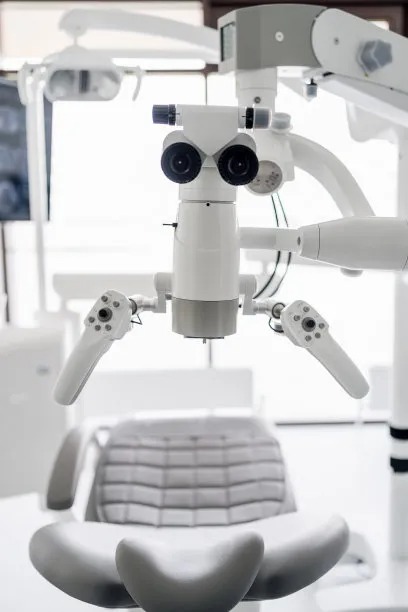
Dental implants come in various types designed to address different needs. The most common are endosteal implants, which are surgically placed directly into the jawbone, providing a strong foundation for replacement teeth. Subperiosteal implants, meanwhile, are positioned under the gum but above the jawbone, often used for patients who lack sufficient bone height. Knowing which type of implant is suitable for specific dental problems is crucial for successful outcomes.
Another type gaining popularity is mini dental implants, which are smaller and require less invasive surgical procedures. Mini implants are often utilized for securing dentures and provide an appealing alternative to traditional methods. This versatility demonstrates the adaptability of dental implants to fit various patient requirements.
Understanding the different types of implants empowers patients to discuss their options with their dentist effectively. It fosters a deeper dialogue about individual needs and expectations, leading to tailored solutions that significantly enhance treatment satisfaction.
2. The Latest Technological Innovations
The field of dental implants has seen incredible advancements in technology that have improved the overall treatment process. One of the most notable innovations is the use of 3D imaging and computer-guided surgery. This cutting-edge technology allows dental professionals to create a precise treatment plan by imaging the mouth and jaw structure in three dimensions. As a result, the placement of dental implants becomes more accurate, which reduces the chances of complications and improves healing.
Another key advancement has been the introduction of biocompatible materials in implant manufacturing. Modern dental implants are often made of titanium or zirconia, both of which integrate well with human bone. This compatibility enhances the longevity and stability of the implant, thereby increasing patient comfort and satisfaction.
Furthermore, advancements in regenerative techniques, such as stem cell therapy and growth factor applications, are also revolutionizing dental implant treatments. These innovations promote faster healing and reduced recovery times, making dental implant procedures less daunting for patients.
3. Benefits of Dental Implants
One of the most significant benefits of dental implants is their ability to restore a patients natural smile and improve aesthetics. Unlike dentures or bridges, dental implants look, feel, and function like real teeth. They allow patients to regain their confidence, enhancing both personal and professional interactions.
Another critical advantage is the enhancement of oral health. Dental implants do not require the alteration of surrounding teeth as bridges do, which helps preserve the integrity of adjacent teeth. Additionally, implants stimulate the jawbone just as natural teeth do, preventing bone loss that often accompanies missing teeth.
Moreover, dental implants greatly improve functionality. Patients can enjoy their favorite foods without fear of dental appliances slipping or causing discomfort. This can significantly improve the quality of life, allowing individuals to eat and speak with confidence.
4. The Importance of Professional Consultation
Consulting with a dental professional is vital before undergoing any dental implant procedure. An experienced dentist will evaluate the patients overall oral health, the condition of the jawbone, and any underlying issues. This assessment ensures the selected treatment plan is both effective and safe.
Moreover, professional guidance empowers patients with the knowledge they need. This includes understanding the entire process, potential risks, expected outcomes, and post-operative care. Awareness and education dispel common myths and fears surrounding dental implants, leading to more informed decision-making.
Finally, regular follow-up visits after the implant placement are crucial. Continuous care and monitoring ensure that the implants are healing properly and integrating into the bone as intended, leading to successful long-term outcomes.
Summary:
The exploration of dental implant advancements reveals their significant role in modern dentistry. With various types available, combined with innovative technology and a multitude of benefits, dental implants are truly a revolutionary option for restoring smiles. Patients are encouraged to seek professional consultation to navigate this transformative procedure effectively.
This article is compiled by Vickong Dental and the content is for reference only.
















