



Summary: Dental implants have transformed the field of restorative dentistry, providing individuals with a robust solution for missing teeth while enhancing both oral health and aesthetic appeal. This comprehensive guide delves into understanding dental implants, exploring their benefits, the procedure involved, factors influencing patient choices, and the maintenance required for long-term success. Readers will gain insight into how dental implants not only restore functionality but also boost self-confidence, making them an increasingly popular choice for those seeking both health and beauty in their smile.
1. Understanding Dental Implants and Their Benefits
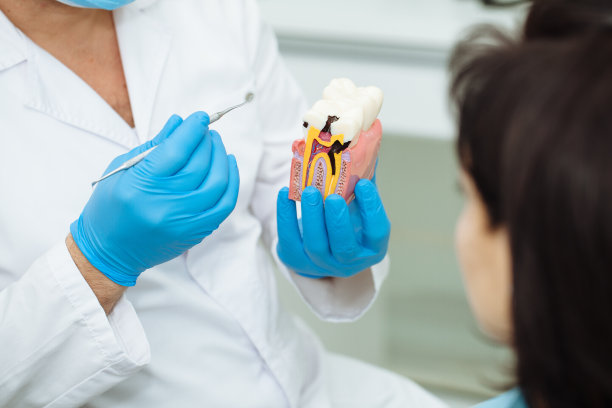
Dental implants are essentially roots made of biocompatible materials, such as titanium, that are surgically inserted into the jawbone. These implants serve as a sturdy foundation for replacement teeth, offering a stable and lasting solution for missing or severely damaged teeth. One of the key benefits of dental implants is their ability to mimic the natural tooths structure, contributing to enhanced chewing functionality and preserving the surrounding bone structure.
Besides restoring function, dental implants also greatly enhance aesthetic appeal. They provide a natural-looking appearance that aligns with the patients existing teeth, promoting self-esteem and confidence. Individuals who may have shied away from social interactions due to gaps in their teeth often discover a newfound joy in smiling and engaging with others after undergoing dental implant treatment.
Furthermore, implants contribute positively to oral health. Unlike traditional dentures, which might encourage bone loss, dental implants help to stimulate jawbone growth, preventing the sunken appearance often associated with tooth loss. This integration into the jawbone is vital for maintaining a healthy oral environment.
2. The Dental Implant Procedure Explained
The process of getting dental implants typically involves several steps, beginning with a comprehensive consultation that includes imaging and assessments of the jawbone structure. This initial phase lays the groundwork for a customized treatment plan tailored to the individual patient’s needs.
Once the suitability of the patient is confirmed, the surgical procedure is initiated, where the dentist inserts the implant into the jawbone under local anesthesia. Post-surgery, a healing phase of several months is required during which osseointegration occurs; this is when the bone grows around the implant, securing it firmly in place.
After healing is complete, the final stage involves the placement of an abutment and the prosthetic tooth or crown. This entire process ensures that the implant is not only functionally effective but also aesthetically pleasing, aligning seamlessly with the patient’s natural teeth. Throughout the procedure, dental professionals prioritize patient comfort and provide guidance to ensure successful outcomes.
3. Factors Influencing Patient Choices
When it comes to selecting dental implants, various factors come into play. The patients overall health is a significant consideration; those with chronic health issues, like diabetes or heart disease, may face additional challenges. Dentists often conduct comprehensive evaluations to determine the best approach tailored to the patient’s specific medical history.
Another crucial aspect involves understanding the patients budget and insurance coverage. The cost of dental implants can vary significantly depending on the complexity of the case, materials used, and geographic location. Its essential for patients to have transparent discussions with their dental care providers about what options are available within their budget.
Lastly, personal preferences regarding aesthetics and function may influence the choice of implant type. There are various implant configurations, including single implants, implant-supported bridges, and full arch solutions. Some individuals may prioritize maximized functionality, while others might lean more toward achieving the most natural look possible, thus requiring a collaborative approach with their dental teams.
4. Maintaining Dental Implants for Longevity
Proper maintenance of dental implants is critical to ensuring their long-term success and preservation of oral health. Routine oral hygiene practices, such as brushing twice daily and flossing, are paramount, as they prevent the buildup of plaque and potential infections surrounding the implants. Regular dental check-ups are also essential to monitor the health of the implants and surrounding gums.
In addition, patients should be vigilant about lifestyle choices that can affect the longevity of their implants. For instance, habits like smoking can severely hinder the healing process and may lead to complications. Therefore, adopting a healthy lifestyle that promotes oral health enhances the durability of dental implants.
Moreover, its vital for patients to educate themselves on potential warning signs that may indicate issues with the implants. Should they experience any unusual discomfort or changes in the implants stability, its crucial to seek professional advice promptly to address any concerns before they escalate.
Summary:
This comprehensive guide offers an extensive overview of dental implants, from their understanding and procedure to patient choice factors and maintenance. By empowering patients with knowledge, they can make informed decisions about their oral health while enhancing their aesthetic appearance through dental implants.
This article is compiled by Vickong Dental and the content is for reference only.
















