



Summary: The advent of advanced dental implant treatment techniques marks a significant turning point in restorative dentistry, significantly enhancing both oral health and aesthetic outcomes for patients. This article explores four key aspects: technological innovations, patient-centered approaches, benefits beyond aesthetics, and future trends in dental implants. By focusing on these areas, we aim to highlight how these improved methods are revolutionizing smiles and enhancing overall quality of life. Whether it’s through cutting-edge technology or personalized treatment options, the evolution of dental implants is transforming the landscape of oral care, making it more accessible and effective.
1. Technological Innovations in Dental Implants
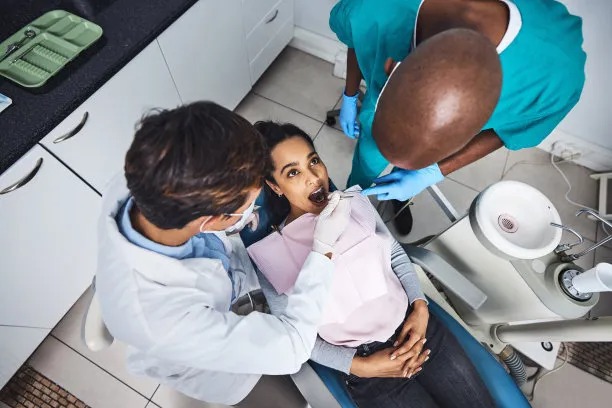
In recent years, technological advancements have played a crucial role in revolutionizing dental implant procedures. New imaging techniques, such as cone beam computed tomography (CBCT), offer dental professionals high-resolution images of a patient’s oral structures. This detailed visualization helps in precise implant placement and reduces the chances of complications during surgery.
Additionally, computer-aided design and computer-aided manufacturing (CAD/CAM) technologies allow for the creation of custom implants tailored to the specific anatomical requirements of individual patients. This level of customization significantly enhances the fit and functionality of the implants, leading to better long-term outcomes.
Moreover, advancements in implant materials, such as titanium and zirconia, have improved biocompatibility and durability. These materials not only provide robust support for artificial teeth but also blend seamlessly with natural bone structures, ensuring that the aesthetic outcomes are as pleasing as possible.
2. Patient-Centered Approaches and Personalized Care
Modern dentistry increasingly emphasizes the importance of patient-centered care. Advanced dental implant techniques focus on involving patients throughout the treatment process, ensuring that their concerns and preferences are taken into account. This collaborative approach not only enhances patient satisfaction but also fosters greater compliance with post-treatment care.
Furthermore, personalized treatment plans are now more common. Dental professionals assess each patient’s unique needs, preferences, and medical history before proposing an implant solution. This might include considering factors such as bone density, gum health, and aesthetic goals, leading to tailored treatment suggestions that accommodate the individual.
Such personalization extends beyond just the initial treatment. Continuous monitoring and adjustments can be implemented as needed, ensuring that the implants evolve with the patients changing oral health. This holistic approach results in not just improved clinical outcomes but also a better patient experience overall.
3. Benefits Beyond Aesthetics for Oral Health
While the cosmetic benefits of dental implants can be easily recognized, their advantages extend far beyond pure aesthetics. Properly placed implants help restore the functionality of teeth, allowing patients to eat a wider variety of foods without discomfort. This restoration of function is crucial for maintaining a balanced diet and overall health.
Dental implants also contribute to the preservation of jawbone density. When teeth are missing, bone loss can occur over time, leading to facial sagging and other complications. Implants stimulate the bone through the process of osseointegration, thus preventing bone resorption and preserving facial structure.
Additionally, dental implants are easier to maintain compared to other prosthetic options like dentures. They do not require adhesives and can be cleaned just like natural teeth, promoting better oral hygiene practices and reducing the likelihood of gum diseases, which are common with removable dentures.
4. Future Trends in Dental Implant Technology
The future of dental implant technology is promising and points toward several exciting trends. One significant development is the integration of digital dentistry into implant practices. This includes using virtual reality for patient education and pre-surgical simulations that allow patients to visualize the outcomes before the actual procedure.
3D printing technology is also emerging as a game changer in the production of dental implants, allowing for rapid prototyping and custom solutions tailored to individual anatomies. This not only accelerates the treatment process but also reduces costs associated with implant production.
Moreover, the exploration of mini implants and less invasive surgical techniques offers patients options that are not only effective but also less daunting. These innovations allow for quicker recovery times and significantly less discomfort, making dental implants a viable choice for even more patients.
Summary:
In conclusion, advanced dental implant treatment techniques have revolutionized the way we approach both oral health and aesthetics. With a combination of innovative technology, personalized care, and a focus on patient satisfaction, individuals can achieve the smiles theyve always desired while enhancing their overall health. As we look ahead, the future of dental implants appears bright, promising continual advancements that will further improve patient outcomes.
This article is compiled by Vickong Dental and the content is for reference only
















