



Summary: Dental implants have revolutionized restorative dentistry, offering patients a reliable solution for missing teeth. This comprehensive guide outlines the essential aspects of dental implant treatment, including understanding the procedure, identifying candidacy, the healing process, and long-term care. Through this guide, individuals can gain an in-depth appreciation of how dental implants not only restore smiles but also enhance overall oral health. The journey to a confident smile may begin with informed decisions about dental implants.
1. Understanding the Dental Implant Procedure
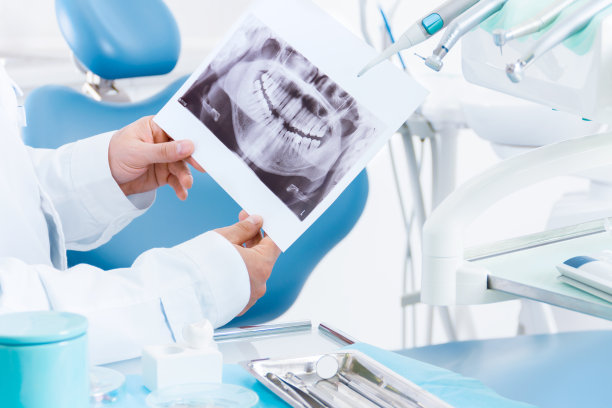
The dental implant procedure begins with a thorough examination by an oral health professional. This initial consultation usually includes medical history reviews, dental X-rays, and possibly 3D imaging to assess bone density and oral structure. Understanding this preliminary step is crucial as it informs patients about what to expect and any necessary preparations that may be required.
After receiving a green light for the procedure, the next step involves placing the titanium implant into the jawbone. This is a minimally invasive surgical procedure performed under local anesthesia. The implant acts as the root of the missing tooth, ensuring stability and functionality akin to natural teeth.
Following implant placement, osseointegration occurs, wherein the jawbone gradually heals around the implant, integrating it securely. This crucial healing phase can last several months, during which patients are often given temporary restorations to maintain aesthetics and promote normal function.
2. Identifying Candidates for Dental Implants
Not everyone is an ideal candidate for dental implants, which is why thorough assessments are essential. Factors such as age, overall health, and specific dental conditions are considered before proceeding. Patients with chronic illnesses or those who smoke may require additional evaluation or may need to address these issues before undergoing surgery.
Bone density and volume are significant criteria for candidates. Those with insufficient bone structure may require additional procedures, such as bone grafting, to ensure the implant has adequate support. This step emphasizes the importance of individualized treatment plans tailored to each patients unique needs.
It’s also crucial to have realistic expectations regarding the outcome of dental implants. Candidates should understand both the advantages and any potential risks involved in the procedure, paving the way for informed consent and improved satisfaction with the results.
3. The Healing Process After Surgery
The healing phase after dental implant surgery is as important as the implant placement itself. Patients typically experience some swelling and discomfort, which can be managed through prescribed medications. Understanding how to care for the surgical site during the healing phase is vital to ensure no complications arise.
Regular follow-ups with the dentist are necessary to monitor healing and adjust care as needed. During these visits, the professional checks the integration of the implant and the overall health of the surrounding gums and bone structure.
Patience is key, as the healing process can vary from patient to patient. Once osseointegration completes successfully, a permanent crown can be designed and affixed to the implant, significantly restoring functionality and aesthetics to the patient’s smile.
4. Long-term Care for Dental Implants
Long-term care is critical for maintaining the success of dental implants. Patients are advised to follow a diligent oral hygiene routine that includes regular brushing, flossing, and dental check-ups. Qualitative care practices directly influence the lifespan of the implants.
Education on dietary choices can also play a role in the longevity of dental work. Patients ought to avoid hard and sticky foods that may jeopardize the integration of the implant or the integrity of the restoration. Regular professional cleanings are equally important and help maintain gum health around the implants.
Additionally, patients should be aware of potential complications such as peri-implantitis, an infection that can affect both soft and hard tissues around the implant. Early detection and intervention are crucial for ensuring long-term success.
Summary:
Dental implant treatments offer a reliable solution for restoring both aesthetics and functionality to one’s smile. By understanding the procedure, identifying suitable candidates, recognizing the healing process, and committing to long-term care, individuals can maximize the benefits of dental implants. This comprehensive overview provides essential insights to empower patients in making informed decisions regarding their oral health.
This article is compiled by Vickong Dental and the content is for reference only.
















