



Summary: Dental implants are transforming the landscape of oral health by providing innovative solutions for those suffering from tooth loss. This comprehensive guide explores how dental implant treatment not only restores smiles but also boosts self-confidence and improves overall oral health. We will delve into the benefits of dental implants, the treatment process, potential risks and considerations, and tips for post-treatment care, each highlighting the importance of this revolutionary dental technology in regaining a functional and aesthetically pleasing smile.
1. Benefits of Dental Implants for Oral Health
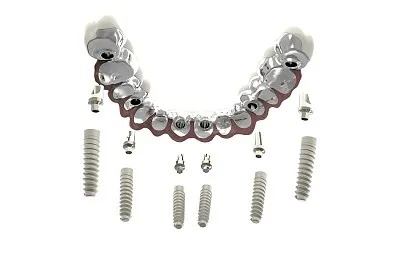
Dental implants come with numerous benefits that greatly enhance oral health and overall well-being. First and foremost, they provide a stable and secure foundation for replacement teeth. Unlike traditional dentures, which can slip and cause discomfort, dental implants are anchored directly into the jawbone, making them more reliable and functional.
Additionally, implants help preserve jawbone structure. When a tooth is lost, the jawbone in that area can start to diminish over time. Dental implants stimulate the bone, preventing the bone loss that often accompanies tooth loss. This preservation of jaw health is crucial for maintaining facial aesthetics and structure.
Furthermore, dental implants improve oral hygiene. With implants, individuals can care for their teeth similarly to natural ones, reducing the risk of gum disease and other dental issues. This ease of maintenance fosters better long-term oral health compared to other tooth replacement options.
2. Understanding the Dental Implant Process
The dental implant process typically occurs in several stages, beginning with a comprehensive dental examination. This initial phase often involves taking X-rays and creating a treatment plan tailored to the patients specific needs. During this period, the dentist will also discuss options for anesthesia and sedation to ensure a comfortable experience.
The surgical phase follows, where the implant is placed into the jawbone. This part of the procedure may seem intimidating, but local anesthesia is used to minimize discomfort. After the implant is inserted, a healing period of several months is necessary for osseointegration, where the bone melds with the implant, providing it with a strong foundation.
Lastly, once healing is complete, an abutment and crown are attached to the implant. This final step restores the smile, and patients often report feeling a renewed sense of self-confidence and comfort when eating and speaking, thanks to their new dental implant.
3. Potential Risks and Considerations
While dental implants are generally safe, its important to consider potential risks. Infection at the implant site is one concern; thus, proper oral hygiene and regular dental check-ups are essential to mitigate this risk. Additionally, individuals with underlying health issues, such as diabetes or heart disease, should discuss their conditions with their dentist, as these can affect healing and implant success.
Moreover, the procedure may not be suitable for everyone. A thorough evaluation is crucial to determine if the patient has sufficient bone density to support an implant. In some cases, bone grafting may be needed prior to the procedure to ensure long-term stability of the implant.
Lastly, like any dental procedure, there are financial considerations. Patients should discuss the costs associated with the treatment, including components like the implant itself, crowns, and any necessary follow-up visits. Understanding the full financial commitment helps patients make informed decisions.
4. Post-Treatment Care for Lasting Results
Post-treatment care is essential for the longevity of dental implants. First and foremost, maintaining a strict oral hygiene routine is crucial. Brushing and flossing regularly, along with using an antibacterial mouthwash, can help prevent infection and ensure that the gums around the implant remain healthy.
Regular dental check-ups are equally important in monitoring the health of the implant and surrounding tissues. Professional cleanings and assessments allow dentists to identify any problems early on, contributing to the overall success of the implant.
Additionally, lifestyle choices can impact the health of dental implants. Avoiding habits such as smoking and excessive alcohol consumption can significantly enhance the healing process and reduce complications. Following these guidelines contributes to the long-term success and satisfaction of dental implant patients.
Summary: The revolution brought forth by dental implant treatment cannot be overstated. By understanding the benefits, navigational treatment process, potential risks, and necessary aftercare, patients can make informed choices regarding their oral health. Restoring a smile through dental implants not only enhances dental function but also improves self-esteem. With appropriate care, implants can last a lifetime, providing an invaluable asset to one’s quality of life.
This article is compiled by Vickong Dental and the content is for reference only.
















