



Summary: Dental implants represent a transformative solution for those struggling with tooth loss, offering not only a functional replacement but also a boost in self-confidence. This comprehensive guide examines the intricacies of dental implant treatment, including the types available, the procedural steps involved, and post-operative care. We highlight the importance of professional consultation and the benefits of implants for both oral health and emotional well-being. Ultimately, understanding these aspects will empower individuals to make informed decisions about restoring their smiles.
1. Understanding Dental Implant Types
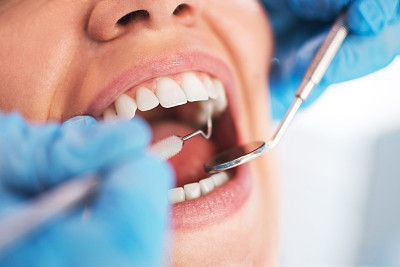
Dental implants can typically be categorized into several types, which cater to varying needs and preferences. The most common type is the endosteal implant, which is inserted directly into the jawbone. This type offers the most stability and is favored for cases where adequate bone density exists. For patients lacking sufficient bone, subperiosteal implants can be utilized, which are placed under the gum but above the jawbone. Understanding these distinctions is crucial for selecting the right solution.
Another emerging option is mini dental implants, which are smaller in diameter and require less invasive placement procedures. These implants can often be used in situations where traditional implants are not feasible due to bone loss, making them a viable alternative for many patients. Each implant type has its unique characteristics, benefits, and suitability depending on the patients specific condition.
Additionally, implant-supported dentures offer another alternative for patients missing multiple teeth. This solution combines the stability of implants with the practicality of dentures, ensuring a more comfortable fit. Understanding the variety of implants available will help patients make informed decisions that align with their individual oral health needs.
2. The Dental Implant Procedure Explained
The journey to receiving dental implants begins with thorough planning and consultation. During this critical phase, a dentist evaluates the patient’s oral health, examining factors like jawbone density and overall health to determine implant suitability. Advanced imaging techniques, such as 3D scans, may be employed to create a detailed plan tailored to the patient’s anatomy and needs.
Once approved, the next phase involves the surgical placement of the implant. This outpatient procedure typically requires local anesthesia and entails creating a small incision in the gum to expose the jawbone. The implant is then inserted into the bone, where it will fuse with the surrounding tissue in a process called osseointegration. This healing phase can take several months and is critical for ensuring the long-term success of the implant.
After successful osseointegration, the final stage involves creating and attaching the prosthetic tooth, or crown, to the implant. The dentist customizes this crown to match the color and shape of the surrounding teeth, ensuring a natural appearance. The entire process, from consultation to final placement, can span several months but yields a durable and aesthetically pleasing result.
3. Post-Operative Care and Maintenance
Post-operative care is essential for the longevity of dental implants. Patients are advised to follow their dentist’s specific instructions, which may include dietary restrictions, oral hygiene practices, and the use of prescribed medications. Keeping the surgical site clean and avoiding hard or sticky foods can significantly decrease the risk of complications.
Regular dental check-ups are crucial to monitor the health of both the implant and the surrounding gums. During these visits, the dentist can ensure that the implant remains stable and that no signs of infection or other issues are present. Maintaining good oral hygiene is equally important, as daily brushing and flossing help prevent gum disease that could jeopardize the implant.
In addition to routine care, patients are encouraged to avoid harmful habits such as smoking, as this can hinder the healing process and impact the long-term success of the implants. By prioritizing maintenance and care, patients can enjoy their restored smiles for years to come.
4. The Psychological Benefits of Dental Implants
Beyond the physical advantages, dental implants can profoundly impact a person’s psychological well-being. Many individuals who have lost teeth often experience a decline in self-esteem and confidence, leading to social withdrawal and anxiety. The restoration of their smile through implants can significantly enhance their emotional state, allowing them to engage more freely in social interactions.
Moreover, dental implants eliminate the fear of slippage associated with traditional dentures, allowing individuals to eat, speak, and laugh without worry. This newfound freedom contributes to a more active lifestyle, further reinforcing their self-confidence. The ability to smile freely not only enhances personal interactions but can also improve job prospects and social relationships.
Understanding the emotional and psychological implications of tooth loss is crucial. The positive effects of dental implant treatment extend far beyond aesthetics, contributing to an overall improved quality of life. The restoration of a confident smile can lead to lasting changes in self-image and social engagement.
Summary:
The comprehensive guide to dental implant treatment emphasizes the importance of understanding the different types of implants, the procedural steps involved, and the significance of post-operative care. Patients are encouraged to consider the psychological benefits that accompany having a restored smile, realizing the impact on their quality of life and self-confidence.
This article is compiled by Vickong Dental and the content is for reference only.
















