



Summary: Dental implants have revolutionized oral health care, offering an effective solution for missing teeth. This comprehensive guide explores the numerous benefits of dental implant treatment, detailing the procedures involved and emphasizing the importance of postoperative care for optimal results. By delving into these key aspects, the guide aims to provide readers with the knowledge they need for informed decisions about their dental health and to achieve a healthier smile.
1. Understanding Dental Implant Benefits
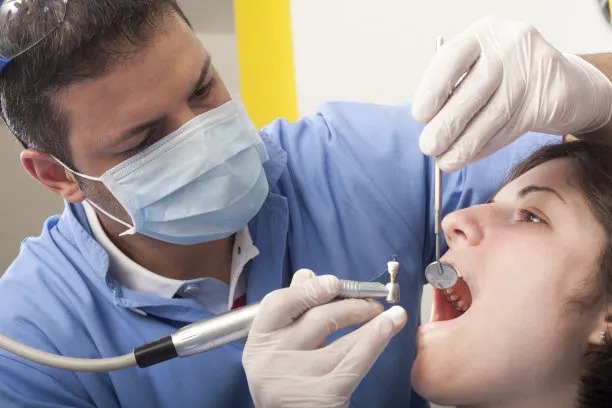
Dental implants are often hailed as the gold standard for replacing missing teeth. Unlike traditional dentures, they provide a permanent solution that mimics the function and appearance of natural teeth. One of the primary benefits is enhanced aesthetics; the implants are designed to match your existing teeth, ensuring a seamless look.
Moreover, dental implants restore functionality. Patients can enjoy their favorite foods without the fear of slippage that is common with removable dentures. Implants also help in maintaining jawbone health, preventing bone loss that typically occurs after tooth loss. This preservation of bone density is crucial for overall facial structure and health.
Additionally, dental implants require no alteration of surrounding teeth, unlike bridges, which necessitate the grinding down of adjacent teeth. This minimally invasive approach not only maintains oral integrity but also offers patients greater comfort and confidence in their dental solutions.
2. Key Dental Implant Procedures
The journey toward a healthier smile through dental implants involves several critical steps. Initially, a comprehensive dental examination is conducted to assess bone density and oral health. This evaluation determines the most suitable treatment plan and ensures the patient is a candidate for implants.
The next step is the surgical placement of the implant. This procedure involves inserting a titanium post into the jawbone, serving as a root for the new tooth. While this might sound intimidating, modern anesthesia techniques make the procedure relatively pain-free.
After the implant is placed, a healing period follows, during which the implant fuses with the bone in a process known as osseointegration. This integration is crucial for the stability of the implant. Once healing is complete, the final restoration, which includes the abutment and crown, is placed, resulting in a fully functional and aesthetically pleasing tooth.
3. Importance of Postoperative Care
Postoperative care is often overlooked but is vital for the success of dental implants. Following the procedure, patients must adhere to specific care instructions to ensure proper healing. This includes taking prescribed medications to manage pain and swelling, as well as maintaining good oral hygiene practices.
Regular follow-up appointments are also essential. These visits allow the dentist to monitor the healing process and address any potential complications early on. Additionally, professional cleanings and check-ups help to maintain the health of the implant and surrounding gum tissue.
It’s worth noting that lifestyle choices post-implant play a significant role in long-term success. Habits such as smoking and excessive alcohol consumption can hinder healing and lead to implant failure. Thus, adopting a healthier lifestyle after surgery contributes significantly to the overall effectiveness of the dental implants.
4. Long-Term Benefits and Maintenance
The long-term benefits of dental implants extend beyond aesthetics and functionality; they significantly improve quality of life. Patients experience increased self-esteem as they regain confident smiles and the ability to speak and eat without discomfort. This psychological boost cannot be underestimated in its overall impact on an individuals well-being.
Maintenance of dental implants is straightforward, involving regular oral hygiene practices similar to those employed for natural teeth. Daily brushing and flossing, along with routine dental check-ups, are crucial to prevent infection and ensure the longevity of implants.
In summary, while dental implants require an initial investment of time and money, their durability and effectiveness make them an invaluable option for those seeking dental restoration. With proper care, they can last a lifetime, making them a wise choice for anyone dealing with tooth loss.
Summary:
Dental implants present a transformative solution for restoring missing teeth, combining aesthetic appeal with functional benefits. Understanding the treatment’s advantages, the detailed procedures, and the essential postoperative care empowers patients to make informed decisions about their dental health. With the right maintenance, dental implants can provide a lifetime of smiles.
This article is compiled by Vickong Dental and the content is for reference only.
















