



Summary: Dental implant treatment has revolutionized the field of dentistry, offering individuals a permanent solution for missing teeth. This comprehensive guide delves into the intricacies of dental implant procedures, highlighting their significant benefits for both oral health and aesthetic enhancement. By exploring the design and functionality of implants, the treatment process, potential risks and complications, and the long-term advantages, this article aims to provide patients with essential insights. Understanding these facets empowers individuals to make informed decisions regarding their dental health, ensuring they achieve both functional restoration and an improved smile.
1. Understanding the Design of Dental Implants
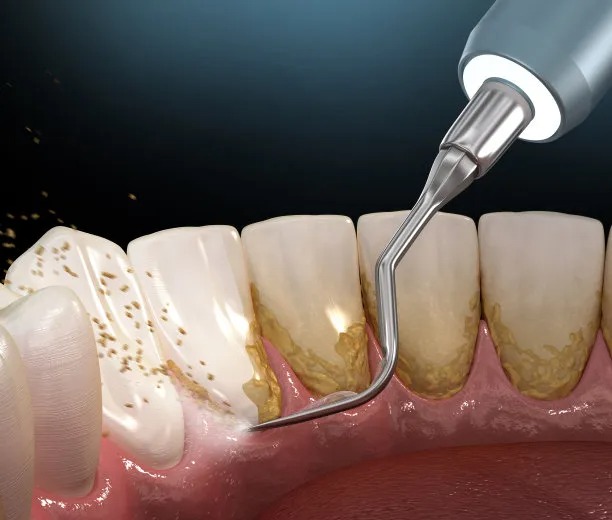
Dental implants are artificial tooth roots made primarily from titanium, a material known for its biocompatibility and strength. Designed to mimic the structure of natural teeth, implants consist of three major components: the implant fixture, the abutment, and the prosthetic crown. The fixture is surgically placed in the jawbone, ensuring stable anchorage. The abutment serves as a connector between the implant and the crown, which is the visible part of the tooth. This design not only enhances stability but also allows for natural aesthetics, effectively blending with the surrounding teeth.
Moreover, the process of osseointegration plays a crucial role in the success of dental implants. This biological integration occurs when bone tissue grows around the implant, firmly securing it in place. This unique aspect differentiates dental implants from other tooth replacement options, like dentures. As a result, patients can enjoy improved chewing efficiency and overall oral function, mimicking the benefits of natural teeth.
In terms of aesthetics, dental implants are custom-made to match the patients natural tooth color and shape, ensuring a seamless appearance. This attention to detail boosts patient confidence, allowing them to smile without hesitation. Understanding this design aspect is vital for anyone considering implants as a viable tooth replacement option.
2. The Treatment Process Explained
Embarking on a dental implant journey begins with a comprehensive consultation. During this initial appointment, the dentist assesses the patient’s oral health through X-rays and scans to evaluate the jawbones density and structure. A thorough evaluation helps determine the best approach for the implant procedure, including whether bone grafting is necessary to enhance stability.
Once the treatment plan is established, the surgical phase commences. This procedure generally involves multiple steps, starting with the placement of the implant fixture into the jawbone. Local anesthesia is utilized to ensure patient comfort throughout the surgery. After placement, there is typically a healing period of several months, allowing osseointegration to occur. This waiting period is crucial for the long-term success of the implant.
Following the healing period, the patient returns for the placement of the abutment and crown. This final step involves attaching the prosthetic tooth, completing the restoration process. Regular follow-up visits are essential to monitor the implants health and ensure that the restoration functions correctly. Overall, understanding the detailed phases of implant treatment equips patients to prepare for their investment in oral health effectively.
3. Risks and Potential Complications
As with any surgical procedure, dental implants come with potential risks and complications. While they boast a high success rate, understanding the possibilities of failure can help patients make informed choices. Common issues may include infection at the implant site, nerve damage, or sinus complications if implants are placed in the upper jaw. These risks emphasize the importance of choosing an experienced implant dentist.
Another potential challenge is the possibility of implant rejection. Although rare, some patients may experience complications due to allergies to the materials used. Regular monitoring and communication with the dental provider help mitigate these risks and address any concerns promptly. Understanding these complications prepares patients for the reality of dental implants, thus fostering a calm and informed approach.
Furthermore, adequate aftercare is essential for the longevity of dental implants. Patients must maintain strict oral hygiene and follow post-operative care instructions to minimize the risk of complications. Regular check-ups play a significant role in ensuring that the implants remain healthy and functional over the years. Informing oneself about risks allows patients to engage more actively in their dental health journey.
4. Long-Term Benefits for Oral Health
The advantages of dental implants extend far beyond aesthetics. They play a vital role in preserving oral health by preventing bone loss, which can occur when teeth are missing. When a tooth is lost, the underlying jawbone may begin to deteriorate due to a lack of stimulation. Implants help stimulate bone growth, maintaining the facial structure and preventing further dental issues.
Additionally, dental implants offer enhanced functionality compared to traditional dentures. Patients enjoy benefits like improved chewing and speech, allowing them to enjoy a wider variety of foods without discomfort. This functionality reduces pressure on remaining teeth, contributing to overall oral health stability. The confidence that comes from a seamless smile and functional oral capacity significantly enhances the quality of life.
Lastly, dental implants foster better oral hygiene practices. Unlike removable dentures, implants are treated like natural teeth, requiring brushing and flossing. This routine encourages healthier oral care habits and lowers the risk of cavities and gum disease. Consequently, investing in dental implants not only restores individual smiles but also promotes long-lasting oral health advantages.
Summary:
In conclusion, dental implants represent a state-of-the-art solution for missing teeth, blending functionality with aesthetic appeal. Understanding the design, the intricate treatment process, potential risks, and long-term benefits empowers patients to make knowledgeable decisions about their oral health. With the right care and attention, dental implants can significantly enhance a patients quality of life.
This article is compiled by Vickong Dental and the content is for reference only
















