



**Will Dental Treatments in Chinese Mainland Leave Long-Term Issues?**
In recent years, many Hong Kong residents have opted to travel to Chinese Mainland for dental treatments, including fillings. The reasons for this trend are varied: some cite faster services, others mention a wider range of options, and some appreciate the opportunity to combine dental visits with leisure activities. However, a common concern remains: will getting dental work done in Chinese Mainland lead to long-term complications? Answering this question requires more than just examining the technology and equipment; its essential to understand the filling process and your dental health condition.
**What is a Dental Filling?**
A dental filling involves cleaning out decayed or damaged parts of a tooth and filling the cavity with dental materials. This procedure prevents further tooth decay and maintains chewing function. Whether done in Chinese Mainland or Hong Kong, the principles of dental fillings remain the same, with the key factors being the dentists judgment and skill.
**How Advanced is Dental Technology in Chinese Mainland?**
Many cities in Chinese Mainland have rapidly updated their dental equipment, with numerous clinics using digital X-rays and microscope-assisted treatments that align with international standards. The most significant factor affecting a dentists skill level is not the location, but their personal experience and training background. Thus, if you conduct thorough research and find a qualified and reputable dentist, the outcome of your dental filling should be assured.
**Are There Potential Complications?**
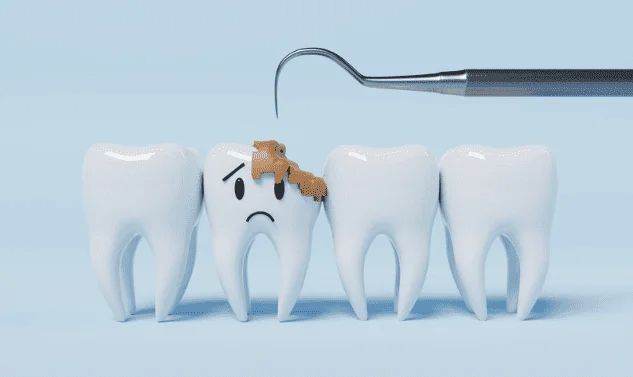
Complications mainly refer to persistent discomfort after a filling, such as tooth sensitivity, improper bite alignment, or material dislodgement. These issues can occur regardless of where the filling is done, and the causes include:
1. **Incomplete Decay Removal**: If bacteria remain after cleaning the decay, the tooth may continue to deteriorate, potentially leading to nerve inflammation.
2. **Inappropriate Material Choice**: Different materials vary in adhesion and hardness. If the material isnt suitable for your dental condition, it may wear down or crack prematurely.
3. **Poor Bite Adj
ustment**: After a filling, the bite angle and force need to be adjusted. If the bite is too high or too low, it can lead to soreness or periodontal discomfort.
4. **Insufficient Personal Care**: Neglecting oral hygiene after a filling can quickly lead to further decay.
**How to Minimize Risks?**
Firstly, choose a dentist with recognized qualifications and a clinic with a good reputation. Check online reviews or ask friends who have visited before. Secondly, inform the dentist about any previous dental issues and sensitivity history for better assessment. After the filling, monitor for persistent pain or bite irregularities, and if present, seek prompt adjustments.
**Considerations Before Traveling to Chinese Mainland**
Beyond assessing the clinic and dentists expertise, consider transportation arrangements and the convenience of follow-up visits. Dental treatments sometimes require multiple sessions, such as extensive decay or root canal treatments. If you undergo treatment in a northern city and return to Hong Kong, follow-up visits might be slightly inconvenient. Ideally, plan your travel to align with the treatment schedule.
**Personal Experiences**
Some individuals report no issues after dental treatments in Chinese Mainland and even praise the attentive service and comfortable environment. Others might find communication styles with dentists unfamiliar or require multiple post-treatment adjustments. Ultimately, understanding your dental condition and risks is crucial; dont make hasty decisions based solely on convenience or hearsay.
**Conclusion**
Getting dental work done in Chinese Mainland doesnt necessarily lead to complications, but risks exist everywhere. Location isnt the sole determining factor; rather, the dentists experience, clinic equipment, treatment process, and your personal care habits are critical. By conducting thorough research, making informed choices, and paying attention to treatment and post-treatment reactions, you can significantly reduce the likelihood of adverse outcomes. Dental health is part of long-term well-being, so wherever you get dental work done, remember to schedule regular check-ups and maintain good oral hygiene for a healthy and confident smile.
















