



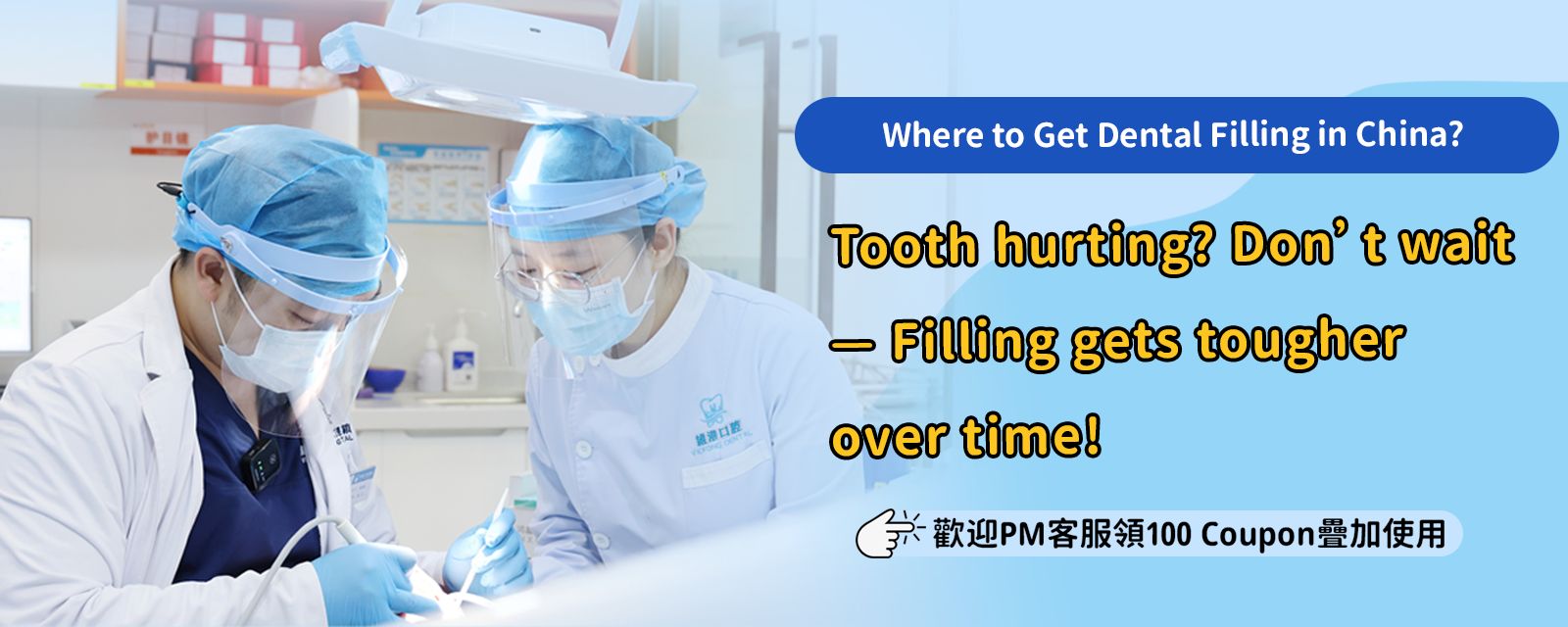
**Advice for Dental Treatment in Chinese Mainland: Managing Cavities Near the Nerve**
In recent years, many Hong Kong residents have opted to travel to the Chinese Mainland for dental treatments due to the convenience of transportation and flexible scheduling. However, some individuals discover upon arrival that their cavities have progressed close to the nerve, complicating treatment beyond a simple filling. If not properly addressed, this can lead to more significant dental issues. Here are some recommendations to consider before embarking on your journey or during your consultation.
**1. Assess Your Dental Health Beforehand**
Even if you dont experience frequent toothaches but notice discoloration or cavities, its advisable to consult a dentist in Hong Kong for an examination. Cavities close to the nerve often indicate weakened teeth, which may not be easily assessed by the naked eye. A dental professional can use X-rays to provide a clearer picture of the situation. This proactive approach can prevent unexpected complications during your visit to the Chinese Mainland, ensuring your plans remain intact.
**2. Communicate Your Treatment Plan Clearly**
When visiting a dentist in the Chinese Mainland, its crucial to discuss your dental history, including when the pain started, its frequency, and any sensitivity to hot or cold foods. If the cavity is near the nerve, the dentist may recommend root canal treatment followed by a dental crown for protection. These procedures are sequential; its not just about filling the cavity. The dentist must first remove the infected tissue, seal the root canal, and then place the crown.
**3. Avoid Delaying Treatment**
Cavities near the nerve might cause occasional pain, but internally, bacteria may be invading the dental pulp. Delaying treatment allows bacteria to spread, potentially affecting the gums and surrounding tissues, increasing treatment complexity and risk. Especially when planning trips to the Chinese Mainland, dont postpone treatment until the next visit. If possible, complete the ent
ire treatment process promptly for better safety.
**4. Pay Attention to Hygiene During Treatment**
While many dental clinics in the Chinese Mainland are equipped with modern facilities, its important to ensure hygiene standards are met. Check if the instruments are sterilized and if the clinic environment is clean. Since treating cavities near the nerve involves cleaning internal tissues, any lapse in hygiene can increase infection risk. Feel free to inquire about the sterilization process with your dentist or dental assistant, as your dental health is a priority.
**5. Post-Treatment Care**
After completing the treatment, your teeth are not entirely out of danger. You might experience mild discomfort or changes in bite alignment, which are normal reactions. Avoid eating hard or sticky foods to allow your teeth time to recover. Brush gently daily, use dental floss or an oral irrigator to maintain cleanliness, and prevent bacterial accumulation. Remember, regular check-ups are essential even after root canal and crown procedures to ensure stability.
**6. Mental Preparedness**
Dental treatment in the Chinese Mainland, especially for cavities near the nerve, may require multiple sessions. Prepare mentally and plan your schedule accordingly to avoid stress from unexpected pain or procedures. Maintain a relaxed attitude and build trust with your dentist for a smoother treatment process.
**Conclusion**
Cavities near the nerve are serious, whether treated in Hong Kong or the Chinese Mainland. Early detection and proper treatment planning are key. Before traveling for dental care, understand your dental health, communicate clearly with your dentist, and pay attention to hygiene and treatment details. Post-treatment care and regular check-ups are crucial to maintaining dental health without disrupting your lifestyle. Remember, dental health is a combination of daily care and timely treatment. Traveling to the Chinese Mainland can be a viable option if youre well-prepared and work closely with your dentist to ensure optimal treatment outcomes.
















