



**Will Dental Treatments in Chinese Mainland Affect Your Work Schedule?**
In recent years, many Hong Kong residents have opted to travel to Shenzhen or other cities in Chinese Mainland for dental care. The reasons for this trend include convenient transportation, a wide selection of clinics, rapid advancements in dental technology, modern equipment, and diverse services. Many employees choose to schedule dental appointments during holidays or weekends, but naturally, they may wonder: will traveling to Chinese Mainland for dental treatment disrupt their work schedule?
**1. Timing is Crucial**
For employees, the primary concern often revolves around time management. If the dental procedure takes several hours, coupled with travel time, it might necessitate taking half a day or even a full day off work. Fortunately, many dental clinics now offer appointment systems, allowing patients to book treatments in advance, including weekends or public holidays, minimizing work disruption. Additionally, convenient transportation options like high-speed trains and subways, with some clinics located near border crossings, significantly reduce travel time.
**2. Treatment Duration Varies**
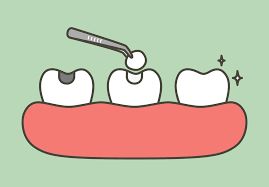
Dental fillings are a common procedure, and typically, if the condition isnt complicated, it can be completed in one visit. However, for deep cavities, multiple follow-up visits or two to three sessions may be required. Employees concerned about work disruption should communicate with their dentist beforehand to understand the treatment steps and estimated time, allowing them to adjust their work schedule accordingly.
**3. Post-Treatment Recovery Considerations**
Generally, dental fillings dont significantly impact daily life, but certain post-treatment sensitivities may occur. For instance, initial sensitivity to hot or cold temperatures or mild soreness might be experienced. Those whose jobs involve frequent speaking, such as sales, customer service, or teaching, may feel slight discomfort. However, these symptoms usually improve within a day or two. Its advisable to avoid consuming
hard, very hot, or cold foods immediately after treatment to allow the teeth some recovery time.
**4. Utilize Flexible Work Arrangements**
Many companies now offer flexible working hours, with some even allowing remote work. Employees can take advantage of these arrangements by scheduling dental appointments at convenient times, such as heading to Chinese Mainland on a Friday afternoon, resting the following day, and returning to work on Monday. This ensures adequate rest without compromising work efficiency. If continuous treatment is necessary, try to complete it in a short timeframe to minimize the need for multiple leave days.
**5. Psychological Preparation and Communication Are Key**
Some individuals may experience anxiety about dental treatments, worrying that their post-treatment condition might affect work performance. In such cases, informing direct supervisors or the HR department in advance can alleviate much of the psychological burden. Everyones dental condition varies; some can return to work immediately after treatment without issues, while others may need a nights rest to regain their energy.
**6. Balancing Health and Work**
Remember, dental health is not just about having a beautiful smile; it also affects chewing and overall health. Delaying dental treatments can worsen dental issues, leading to longer treatment times or even more extensive dental surgeries, which could have a greater impact on work. Therefore, addressing dental problems promptly can prevent future complications.
**Conclusion**
Whether dental treatments in Chinese Mainland will affect work depends on personal planning, dental condition, and job nature. By scheduling appointments in advance, choosing conveniently located clinics, and aligning with company holidays or flexible hours, most people can balance dental care and work commitments. Dont delay treatment due to work concerns, as maintaining health is fundamental to sustaining work performance. By effectively utilizing time and resources, the impact of traveling to Chinese Mainland for dental care can be minimized.
















