



Summary: Dental implant treatment has emerged as a leading solution for individuals suffering from tooth loss. This comprehensive guide explores the numerous benefits of dental implants, the procedural steps involved, and essential long-term care practices that ensure optimal oral health. By understanding the advantages of dental implants, the multi-step procedure required for installation, and the necessary aftercare, patients can make informed decisions leading to a confident smile. The guide ultimately emphasizes that proper care following the procedure is vital for maintaining the health of implants and overall oral hygiene.
1. Advantages of Dental Implants for Oral Health
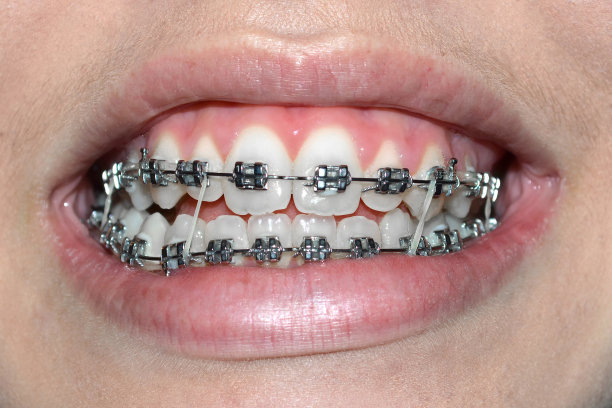
Dental implants offer numerous advantages over traditional tooth replacement methods. One of the most significant benefits is their ability to mimic the appearance and function of natural teeth effectively. Unlike dentures, which can slip and cause discomfort, implants are securely anchored in the jawbone, providing a stable and comfortable solution for tooth loss.
Moreover, dental implants contribute to improved oral health by preventing bone loss. When a tooth is lost, the underlying jawbone can deteriorate due to lack of stimulation. Dental implants serve as artificial tooth roots, preserving the integrity of the jawbone and preventing further bone loss, which is crucial for maintaining facial structure.
Additionally, dental implants can enhance a patients overall quality of life. Patients with implants report higher levels of confidence and self-esteem, primarily due to the aesthetic benefits of having a complete smile. Increased comfort and improved chewing ability also significantly enhance daily living, allowing patients to enjoy their favorite foods without worry.
2. Understanding the Dental Implant Procedure
The dental implant procedure typically comprises multiple stages, beginning with a comprehensive consultation. During this initial visit, the dentist evaluates oral health, discusses treatment options, and creates a customized plan. Imaging technologies like CT scans may be employed to determine the quality and quantity of jawbone available for implant placement.
Once the treatment plan is established, the first surgical phase involves placing the titanium implant into the jawbone. This procedure is usually performed under local anesthesia, minimizing discomfort. After the implant is surgically embedded, a healing period of several months is needed for osseointegration, during which the implant fuses with the bone.
The second phase involves attaching an abutment to the implant, which serves as a connector for the final restoration, usually a crown. After proper healing, the dentist will construct the custom crown, ensuring it matches the color and shape of the surrounding teeth. The final phase of the procedure is placing the crown onto the abutment, completing the restoration process.
3. Essential Long-Term Care for Implants
Once dental implants are successfully placed, maintaining them through proper oral hygiene practices is crucial. Regular brushing and flossing should be part of a daily routine, along with the use of antimicrobial mouthwashes to combat bacteria and plaque. Patients should also consider using specialized dental products designed for implant care.
Routine check-ups with dental professionals are essential in ensuring the longevity of dental implants. During these visits, dentists can monitor the health of the implants, assess surrounding tissues, and intervene early if any complications arise. These professional cleanings also help maintain a healthy mouth environment, maximizing implant lifespan.
Moreover, lifestyle choices play a critical role in long-term implant success. Patients should avoid smoking and excessive alcohol consumption, as these habits can compromise gum health and increase the risk of implant failure. A balanced diet rich in vitamins and minerals supports the overall health of gums and bones, further enhancing implant stability.
4. Making Informed Decisions on Dental Implants
When considering dental implants, it is essential for patients to gather comprehensive information about the options available. Consulting with a qualified dental professional is key, as they can provide insight into the best practices tailored to individual needs and circumstances.
Furthermore, patients should be aware of the potential costs associated with dental implants. While they may represent a larger initial investment compared to traditional dentures, their longevity and the benefits they offer often outweigh the upfront costs. It is crucial that patients discuss financing options and insurance coverage with their dental care providers.
Ultimately, being proactive about oral health and exploring long-lasting solutions like dental implants can lead to significant improvements in quality of life. By understanding benefits, procedures, and care, patients can feel empowered to make informed choices that align with their health goals.
Summary:
This guide highlights the multifaceted benefits of dental implants, covering essential aspects from advantages and procedural intricacies to ongoing care necessary for their success. Armed with knowledge and insights, potential patients can confidently navigate their options, leading to better oral health.
This article is compiled by Vickong Dental and the content is for reference only.
















