



**Essential Post-Treatment Care After Dental Procedures in Chinese Mainland**
In recent years, many Hong Kong residents have opted to travel to Chinese Mainland for dental treatments, whether its for bridges, implants, or cavity fillings. The convenience and speed of mainland clinics are appealing. However, completing a dental procedure doesnt mean you can neglect your oral health. Proper follow-up care is crucial to ensure the longevity of your dental work and overall oral health. Here, we discuss the three most important actions to take after dental procedures in Chinese Mainland to ensure your investment is worthwhile and lasting.
**1. Prioritize Post-Procedure Cleaning and Care**
In the initial days following a dental procedure, whether youve had resin fillings or porcelain veneers, meticulous attention to cleaning and diet is essential. Dentists typically advise avoiding hard or hot foods for the first couple of days to allow your newly treated teeth to stabilize. Beyond dietary considerations, brushing requires special attention. Use a soft-bristle toothbrush and gentle brushing techniques. Many assume that once a tooth is filled, its problem-free, but the treated area can easily harbor bacteria. Inadequate cleaning can lead to recurrent decay. Rinsing after meals and using dental floss to maintain oral cleanliness are key to extending the life of your dental work.
Additionally, avoid chewing on one side exclusively, especially in the days immediately following your procedure. If you have dental bridges or dentures, remember to remove them daily for cleaning. These small details help prevent tartar buildup and gum inflammation.
**2. Monitor Your Dental Response Closely**
Traveling to Chinese Mainland for dental work means encountering different environments, materials, and techniques, which can sometimes lead to discomfort upon returning to Hong Kong. You might experience mild pain when chewing, gum swelling, or uneven bite alignment. While these issues arent always serious, the
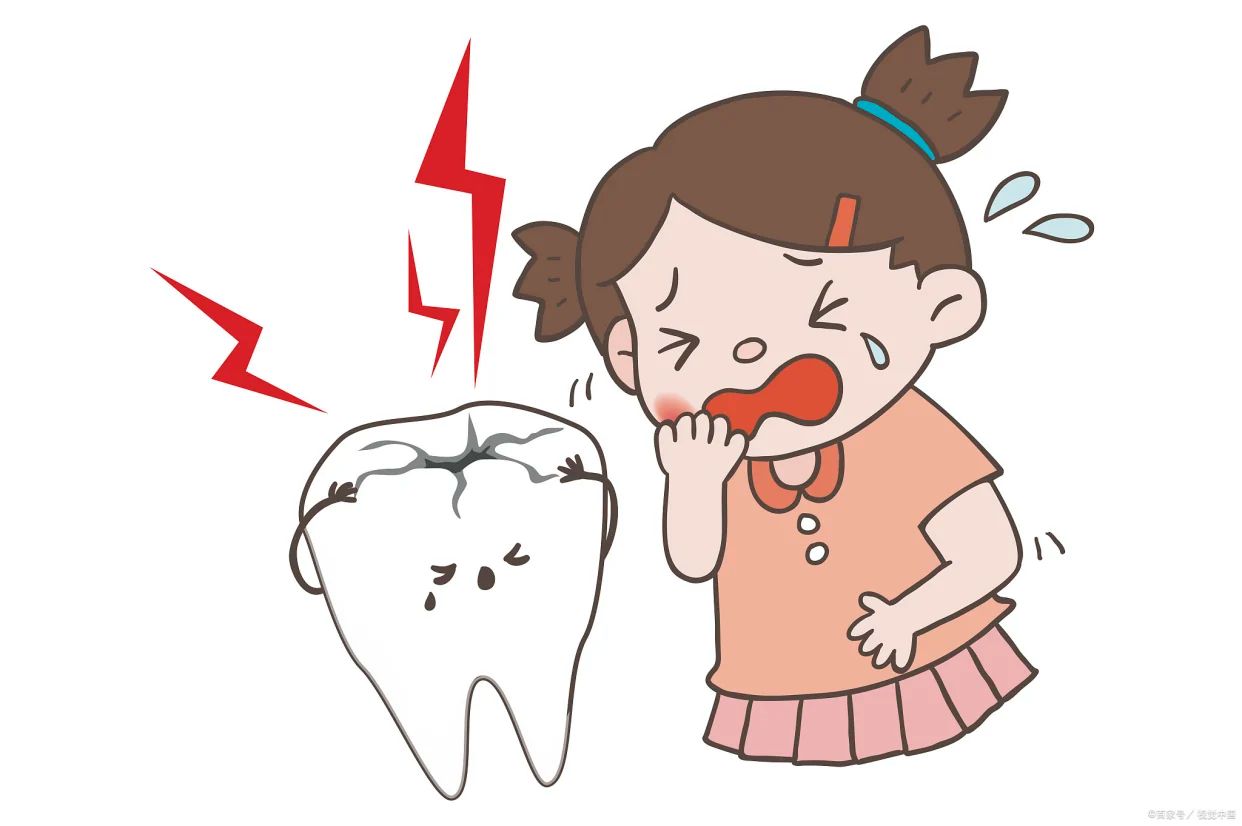
y shouldnt be ignored. During the first week post-treatment, closely monitor your dental response. If you experience unusual pain, dont endure it silently; consult a dentist promptly for adjustments.
Sometimes, only minor adjustments to bite height are needed, or your dental nerves may require time to adapt. Addressing these issues early prevents them from escalating. This follow-up is particularly crucial after root canal treatments or major restorative work. Experienced Hong Kong dentists often recommend a post-treatment check-up upon returning from Chinese Mainland to ensure everything is stable. This way, you can enjoy eating and smiling with confidence.
**3. Regular Check-Ups and Establishing Long-Term Habits**
Many Hong Kong residents feel their dental concerns are resolved after treatment in Chinese Mainland, but dental health requires ongoing maintenance. Completing a dental procedure is just the beginning; its time to cultivate better daily habits. Schedule oral check-ups every three to six months to examine the treated areas for looseness, discoloration, or gum recession. Detecting these subtle changes early allows for immediate intervention.
Speaking of habits, its crucial to eliminate harmful practices like chewing ice, hard candy, or using teeth to open packages, as these can lead to dental issues. Regular professional cleanings prevent tartar accumulation. Mainland clinics excel in dental procedures, aiming for patients to maintain good oral health afterward to enjoy long-term benefits.
Ultimately, traveling to Chinese Mainland for dental work isnt difficult; the challenge lies in maintaining dental care afterward. Before each visit, research clinic reputations and choose suitable treatment plans. After returning to Hong Kong, focus on cleaning, monitoring, and follow-up care, and establish long-term oral hygiene habits. This ensures your dental work is worth your time and effort. Remember, dental procedures are part of a process, but dental care is a lifelong commitment.
















