



Summary: Achieving a perfect smile is no longer just a dream; advanced dental implant treatment techniques, combined with patient-centric care solutions, have made it a reality for many. This article explores how cutting-edge technologies, personalized care approaches, effective communication, and post-treatment support work together to ensure optimal outcomes for patients seeking dental implants. By delving into each aspect, we highlight the significance of modern dentistry in enhancing patients’ quality of life and self-esteem, thus paving the way for healthier and happier smiles.
1. Innovations in Dental Implant Technology
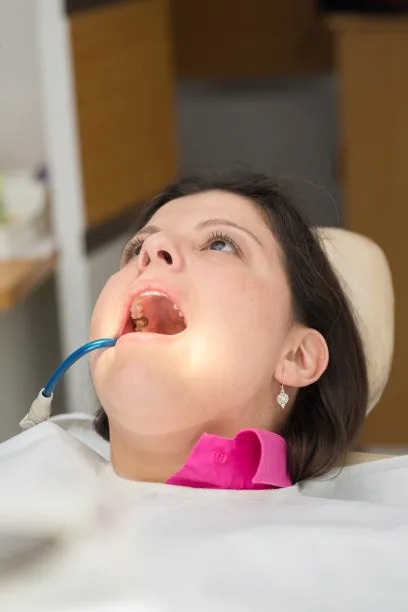
Dental implant technology has evolved tremendously over the past few decades. Innovations such as 3D imaging and computer-assisted design and manufacturing systems enable dentists to create customized implant solutions tailored to each patients unique anatomical structure. These technological advancements ensure that the implants fit perfectly, enhancing comfort and stability.
Additionally, newer materials, such as zirconia, provide improved biocompatibility and aesthetic appeal compared to traditional titanium implants. Patients benefit from these innovations as they often experience less discomfort, quicker healing times, and improved cosmetic results, which altogether contribute to achieving that perfect smile.
Integration of digital workflows into the implant process serves another key role in minimizing errors. Through virtual simulations and guided surgical techniques, dental professionals can ensure higher precision during placement, significantly elevating the success rates of dental implant surgeries.
2. Tailored Patient-Centric Care Approaches
Every patient possesses different needs and expectations regarding their dental health. Thus, a personalized approach is paramount in dental care. By taking the time to understand a patient’s specific concerns, preferences, and lifestyle, dental professionals can design an individualized treatment plan. This patient-centric care model not only fosters trust but also enhances treatment satisfaction.
Moreover, dentists can provide alternative solutions, such as sedation dentistry, for anxious patients. Offering various comfort options can make the treatment process less intimidating, contributing significantly to a positive overall experience. This adaptability demonstrates a commitment to fostering a therapeutic environment that prioritizes patient well-being.
Furthermore, effective communication styles tailored to individual patients enhance their understanding of the procedures involved, along with expected outcomes. Educating patients empowers them to make informed decisions about their treatment, contributing to a collaborative relationship between patients and dentists.
3. Effective Communication and Education in Dentistry
Clear communication is vital in ensuring that patients feel secure and informed about their dental procedures. By establishing an open forum for dialogue, dental professionals can address questions and alleviate fears regarding implant surgeries. Listening actively to patient concerns allows practitioners to tailor their responses and recommendations accordingly, resulting in a more personalized care experience.
Educational tools, including brochures, videos, and even virtual reality simulations, can greatly enhance patients understanding of what to expect during the treatment process. When patients are well-informed about the procedure, they are more likely to have realistic expectations and less anxiety.
Moreover, follow-up consultations further promote transparency. Reassessing patients after procedures allows for quick identification of any complications and reinforces continued patient education, ensuring they maintain proper dental hygiene in the long run. This ongoing communication creates a strong bond between patients and their dental team, vital for achieving a perfect smile.
4. Post-Treatment Support and Care Practices
The journey to a perfect smile doesn’t end once the dental implants are placed. Effective post-treatment support is crucial for long-lasting results. Regular follow-up appointments empower dental professionals to monitor healing progress, addressing any complications that may arise promptly.
Furthermore, guidance on maintaining oral hygiene and regular check-ups is essential for patients to preserve their new smile. Personalized care instructions help foster healthy dental habits, ensuring the longevity of the implants. This ongoing support exemplifies the commitment of dental professionals to their patients overall long-term well-being.
Additionally, patient feedback plays a significant role in refining treatment protocols. Listening to patients’ experiences helps clinics improve their services, which can lead to enhanced outcomes for future patients. Effective follow-up care optimizes the success of dental implant procedures, directly correlating with increased patient satisfaction.
Summary:
The integration of advanced dental implant techniques, alongside patient-centric care approaches, has fundamentally shifted how we achieve perfect smiles in modern dentistry. Each component discussed reinforces the importance of technology, individualized care, effective communication, and ongoing support. Collectively, these elements pave the way for successful treatments and satisfied patients, ultimately transforming their oral health and confidence.
This article is compiled by Vickong Dental and the content is for reference only.
















