



Summary: Dental implants are a transformative solution for restoring smiles and enhancing oral health. This article explores the profound benefits of dental implant treatment, including improved functionality, aesthetics, and long-term oral health. It also outlines the step-by-step process of dental implant placement, from initial consultation to post-operative care, thereby emphasizing the importance of professional guidance throughout the treatment. The article aims to provide a comprehensive understanding of dental implants, ensuring readers are well-informed about their options for achieving optimal oral health and a confident smile.
1. Advantages of Dental Implants for Patients
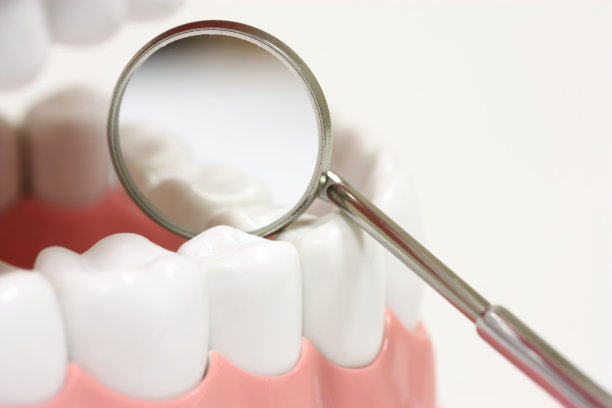
Dental implants offer a myriad of benefits that significantly improve the quality of life for patients. Firstly, they restore the functionality of missing teeth, allowing individuals to enjoy their favorite foods without discomfort. Unlike dentures, which can slip and cause embarrassment, dental implants are securely anchored in the jawbone, providing a reliable solution that mimics natural teeth. This functionality is crucial for maintaining a balanced diet and overall health.
Secondly, dental implants contribute to a more aesthetic smile. They are designed to blend seamlessly with existing teeth, enhancing one’s appearance. Patients often experience a boost in confidence as they feel more comfortable smiling, speaking, and engaging with others. This psychological benefit is as significant as the physical restoration provided by the implants.
Lastly, dental implants promote long-term oral health. When a tooth is lost, the jawbone begins to deteriorate due to lack of stimulation. Implants serve as artificial tooth roots, preserving bone density and preventing the facial structure from changing. This longevity in oral health helps reduce further dental complications, making implants a prudent investment for long-term well-being.
2. Understanding the Dental Implant Process
The process of receiving dental implants begins with a comprehensive consultation. During this initial appointment, the dental professional assesses the patient’s oral health, takes imaging tests, and discusses medical history. This thorough evaluation is critical in determining whether the patient is a suitable candidate for implants. It ensures that any underlying dental issues are addressed before proceeding with the treatment.
After confirming eligibility, the next phase involves surgery to place the implant. This procedure typically occurs under local anesthesia. The dentist or oral surgeon carefully inserts the titanium post into the jawbone, serving as the new tooth root. Following this, a healing period of several months is necessary for the implant to osseointegrate, meaning it fuses with the bone, providing a solid foundation for the artificial tooth.
Once healed, the final step is placing the crown or prosthetic tooth onto the implant. This custom-made crown is shaped and colored to match the surrounding teeth, ensuring a natural look. After the placement of the crown, the patient is equipped with a fully functional tooth that enhances their smile and oral health.
3. Post-Treatment Care for Dental Implants
Caring for dental implants is crucial for their longevity and success. Good oral hygiene practices, such as brushing twice a day and flossing daily, are essential to prevent infections and ensure the health of the gums around the implant. Regular dental check-ups are equally important; they allow professionals to monitor the health of the implants and surrounding structures.
It is also advisable for patients to avoid certain habits that could jeopardize the integrity of the implants. For example, smoking can hinder healing and increase the risk of implant failure. Therefore, adopting a healthier lifestyle post-treatment can contribute to better oral health outcomes.
Additionally, maintaining a balanced diet rich in vitamins and minerals supports healing and the ongoing health of the implant site. Foods high in calcium and vitamin D strengthen bones, while proper hydration promotes overall oral health. By following these care guidelines, patients can enhance the success of their dental implants and enjoy their benefits for years to come.
4. Impact of Dental Implants on Overall Health
The impact of dental implants extends beyond aesthetic and functional benefits; they significantly contribute to overall health. With restored chewing functionality, patients can enjoy a varied diet, leading to improved nutrition and overall well-being. Additionally, healthy eating habits support immune function and enhance energy levels.
Furthermore, dental implants help prevent dental misalignment issues that can arise from tooth loss. When a tooth is missing, neighboring teeth may shift, leading to bite problems, which can cause discomfort and affect speech. By filling in the gaps, dental implants maintain proper alignment and reduce the risk of associated issues.
Lastly, the confidence gained from a restored smile can have a profound psychological effect. It encourages social interaction and helps alleviate anxiety in personal and professional settings. This positive influence on mental health is a crucial aspect that underscores the importance of addressing dental issues promptly and effectively with solutions like implants.
Summary:
In summary, dental implants provide a multitude of benefits that enhance oral health and facilitate smile restoration. From improving functionality and aesthetics to long-term health benefits, their value cannot be overstated. The meticulous process of placement and post-treatment care is integral to achieving lifelong success. As such, understanding these elements empowers individuals to make informed decisions about their dental health.
This article is compiled by Vickong Dental and the content is for reference only
















