




**Managing Dark Edges After Dental Fillings in Chinese Mainland**
In recent years, many individuals have opted to travel to Shenzhen, Dongguan, or even Guangzhou for dental fillings due to the convenience and the advanced technology and medical standards available. However, upon returning to Hong Kong, some patients notice dark edges or spots near the filled area, raising concerns about whether the dental procedure was unsuccessful and if they should return for further treatment. This article explores how to address these dark edges after receiving dental fillings in Chinese Mainland.
**What Are Dark Edges?**
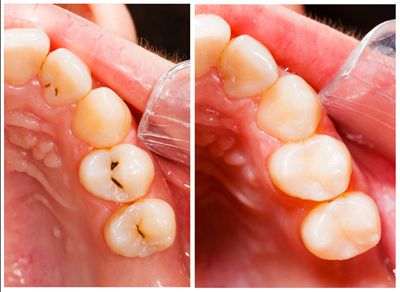
Dark edges typically refer to the appearance of dark or black marks near the junction of the dental filling material and the tooth. Several factors can contribute to this phenomenon:
1. **Discoloration of Resin or Filling Material**
Certain resin materials used in fillings may discolor slightly over time due to exposure to coffee, tea, or food pigments, resulting in a dark spot-like appearance.
2. **Inadequate Seal at Filling Edges**
If the filling was not perfectly sealed at the edges, pigments might seep in over time, causing the edges to darken.
3. **Extension of Existing Tooth Decay**
Sometimes, decay may continue to develop in areas not covered by the filling, leading to the appearance of dark spots.
4. **Oxidation of Metal Materials**
Metal fillings, such as silver amalgam, may oxidize over time, causing the surrounding tooth area to appear gray or black.
**Assessing and Addressing the Issue**
If the dark edges are not causing pain or discomfort during eating, it is advisable to monitor the situation for a while. However, keep an eye on the following:
- Observe if the dark area is expanding
- Check for snagging or fraying when using dental floss
- Note any sensitivity or discomfort when biting
If the condition worsens, it is crucial to consult a dentist promptly, whether in Hong Kong or by returning to Chinese Mainland, to avoid delaying treatment.
**Follow-Up Care
: Hong Kong or Chinese Mainland?**
Many patients prefer follow-up care in Hong Kong due to convenience and language ease. However, if your original dentist in Chinese Mainland offers follow-up services, revisiting them could be beneficial, as they are familiar with the initial procedure details.
Consider your schedule and transportation options when deciding where to seek follow-up care, but do not delay treatment to prevent the issue from worsening.
**Daily Oral Care Tips**
Regardless of where the dental work was done, maintaining good oral hygiene is essential to prevent dark edges:
1. **Brush Twice Daily**: Use a soft-bristled toothbrush to gently and thoroughly clean all tooth surfaces, including the filled area.
2. **Use Dental Floss**: Food particles can easily get trapped between teeth; flossing helps remove them and reduces pigment seepage.
3. **Limit Dark Foods**: Minimize consumption of coffee, black tea, soy sauce, and other dark foods, or rinse your mouth immediately after consuming them.
4. **Regular Check-Ups**: Schedule dental check-ups every six months to detect any subtle changes in the filled area.
**Communication and Mental Preparedness**
Dark edges do not always indicate the need for extensive rework; they might be surface stains that can be polished or minor edge adjustments. Communicate openly with your dentist about your concerns, including details about the fillings timing, location, material type, and dietary habits, to enable accurate assessment and treatment.
**Conclusion**
Discovering dark edges after dental fillings in Chinese Mainland should not cause immediate panic, but should not be ignored either. Through vigilant observation, regular check-ups, and maintaining excellent oral hygiene, risks can be minimized. If further treatment is necessary, choose a trusted dentist, whether in Hong Kong or Chinese Mainland, to ensure optimal dental health. Remember, dental care is a long-term investment, and addressing issues early is always easier than dealing with them later.
















