



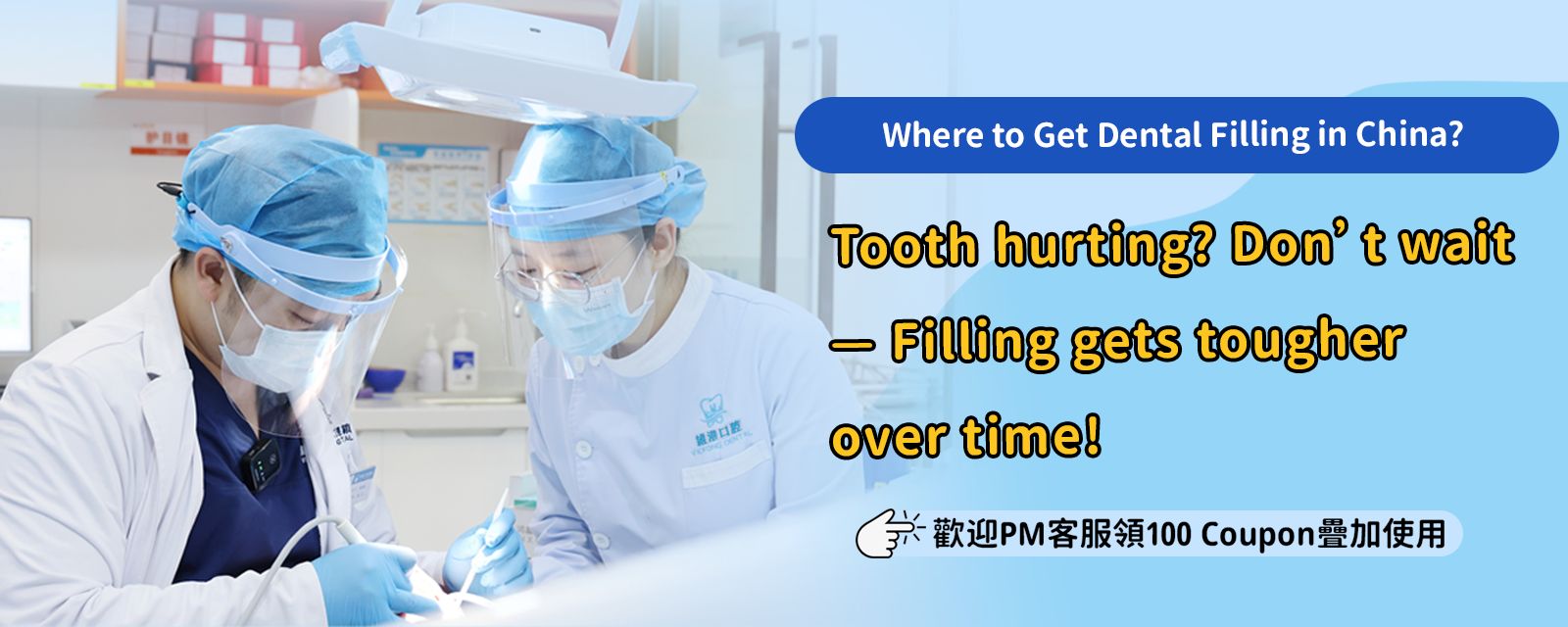
**Choosing Between Dental Fillings in Hong Kong and Mainland China**
In recent years, dental health has become a growing concern for many, as oral health not only impacts your smile but also your overall well-being. In Hong Kong, dental fillings are a common service, yet an increasing number of residents are considering traveling to Shenzhen or other cities in Mainland China for dental care. So, how do you decide between getting dental work done in Hong Kong or venturing to the Chinese Mainland?
**1. Service Approach and Facilities**
Most dental clinics in Hong Kong operate on an appointment basis, with tightly scheduled appointments leading to shorter wait times. The facilities and medical environment are generally stable and standardized, with detailed medical records that ensure continuity of care.
In contrast, dental centers in Mainland China often boast larger facilities with rapidly updated equipment and frequently introduce new technologies. While some places offer same-day check-ups and treatments, they can also be quite busy. The variety of clinics ranges from chain brands to local neighborhood dentists, so its crucial to research and understand the differences in their offerings.
**2. Communication with Dentists**
In Hong Kong, dentists typically communicate in Cantonese or English, explaining treatment steps, risks, and aftercare, which minimizes communication barriers. In Mainland China, dentists generally speak Mandarin. While many patients can understand it, some dentists may also speak Cantonese, though fluency can vary. If you have detailed questions about your dental condition, communication preferences might significantly influence your decision.
**3. Treatment Options**
Dental treatments in Hong Kong tend to be conservative, focusing on long-term maintenance and follow-up, avoiding extensive procedures unless necessary, and prioritizing the preservation of healthy tooth structure. Dentists in Mainland China might offer a wider range of treatment options, including new materials and techniques. However, its essential to consid
er whether their practices and philosophies align with your expectations.
**4. Flexibility in Scheduling**
One reason many Hong Kong residents opt for dental care in Mainland China is the flexibility in scheduling. Many procedures, including examinations, X-rays, and fillings, can be completed in one day. However, travel time and border crossing arrangements should be factored in, as holidays or peak times might delay your return.
In Hong Kong, even if multiple visits are required, transportation and scheduling are generally more stable, eliminating the need for border crossings and reducing stress from unexpected situations.
**5. Follow-up Care and Assurance**
Dental treatments often require follow-up visits to ensure the stability of your oral health. Hong Kong clinics maintain comprehensive records, making follow-up appointments more convenient. If you receive treatment in Mainland China, subsequent follow-ups might necessitate another trip, or you may need to find a different dentist in Hong Kong, potentially requiring a re-evaluation due to less detailed records.
For those who frequently travel to the Mainland or have a lifestyle centered there, follow-up care might not be an issue. However, if you rarely visit the Mainland, consider the convenience of follow-up care.
**6. Comfort and Confidence**
Dental treatment is closely tied to health, and psychological comfort plays a significant role. Receiving treatment in Hong Kong offers familiarity in terms of environment, communication, and medical systems, which can be reassuring. If you are confident in the services available in Mainland China and accustomed to the lifestyle there, you might find it easier to adapt.
Ultimately, there is no absolute standard for choosing where to get dental work done. It depends on your lifestyle, communication preferences, and requirements for follow-up care and environment. Remember, whether in Hong Kong or Mainland China, always choose a qualified dental institution, heed professional advice, and maintain good oral hygiene to ensure long-lasting dental health.
















