



**Evaluating the Need for Follow-Up Dental Treatment After Visiting Chinese Mainland for Fillings**
In recent years, many individuals have opted to travel to the Chinese Mainland for dental fillings due to various reasons such as convenience and a wider range of service options. However, dental care doesnt end once you leave the dentists chair. Upon returning to Hong Kong, its crucial to monitor your dental health to determine if further treatment or follow-up is necessary. So, how can you assess whether additional dental attention is needed after getting a filling?
**1. Monitor Any Unusual Sensations at the Filling Site**
The first step after receiving a dental filling is to pay close attention to how the area feels. Typically, there is a brief adjustment period where you might notice a slight difference, but this should normalize after a few days. If you experience persistent pain, tenderness, or an uneven bite, it may indicate that the filling material hasnt properly adhered or that the height needs adjustment. In such cases, its advisable to consult a dentist promptly to prevent the issue from worsening.
**2. Evaluate Bite Alignment**
Post-filling, your bite should feel natural and smooth. If you notice discomfort, such as excessive force on one side or teeth clashing, it could affect the health of adjacent teeth and even lead to gum inflammation. Misalignment might be due to inaccuracies in the fillings height or shape, which can exert undue pressure on your teeth over time. Addressing this early is essential.
**3. Observe Changes in Tooth Color**
The materials used for fillings are generally matched to your tooth color. However, if you notice discoloration, darkening, or cracks in the filling shortly after the procedure, it could indicate issues with the material quality or underlying decay that wasnt fully addressed. While color changes may not immediately affect functionality, they can impact aesthetics and potentially reflect underlying health issues, so dont ignore them.
**4. Assess Sensitivity to Temperature**
Its common to experience temporary sensitivi
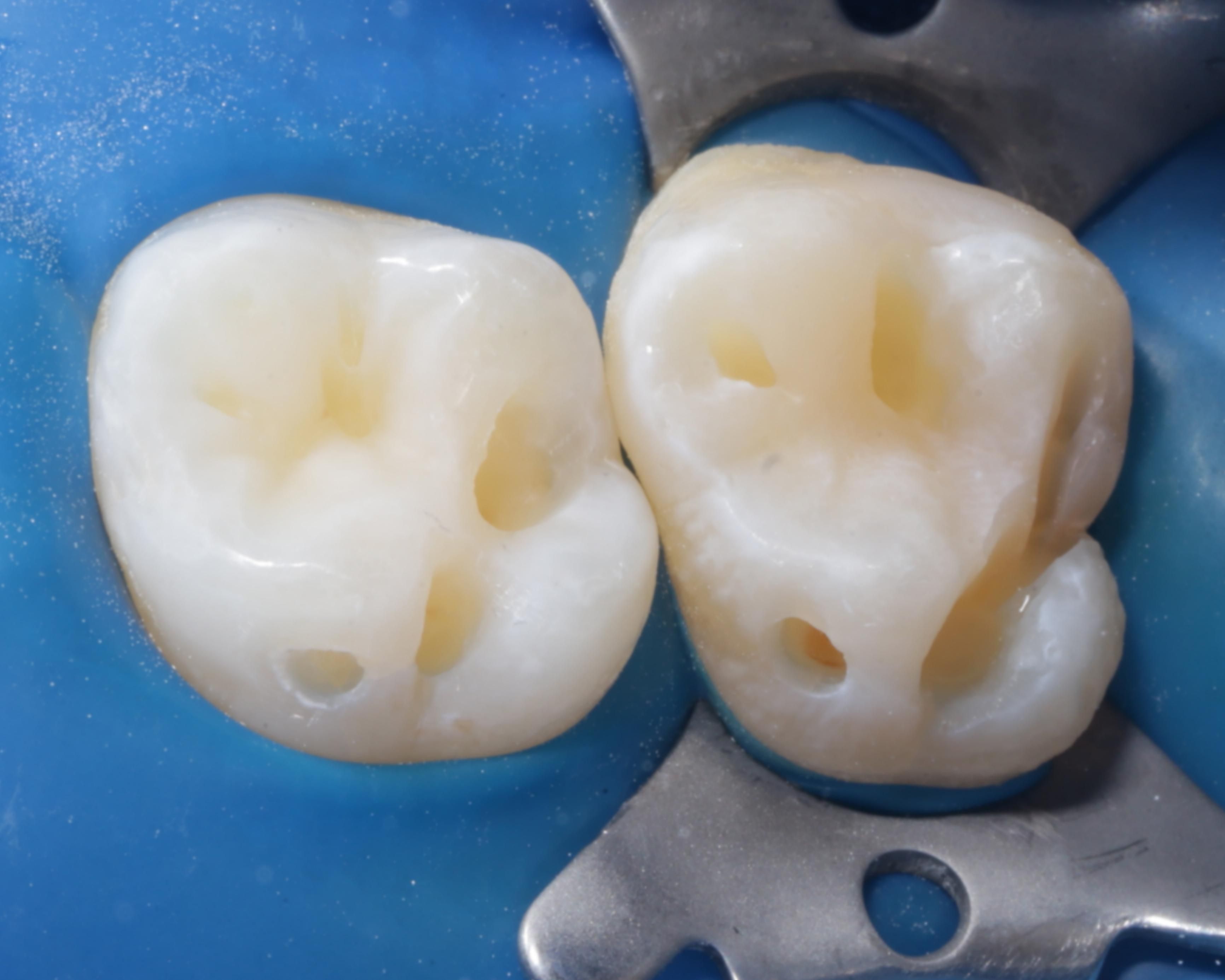
ty to hot or cold foods after a filling. However, if this sensitivity persists for weeks or even months and worsens, it might be a sign of nerve irritation or pulp inflammation. Whether the filling was done in the Chinese Mainland or Hong Kong, its advisable to seek a dental review, as further treatment like root canal therapy may be necessary.
**5. Check Gum Health**
Post-filling, the gum tissue surrounding the treated area should remain healthy. If you notice frequent bleeding, swelling, or bad breath, it might be due to rough edges on the filling that facilitate plaque buildup. Unhealthy gums can compromise tooth stability and shorten the lifespan of the filling material, so regular self-checks and cleaning are important.
**6. Schedule Regular Oral Check-Ups**
Even if everything seems fine after your trip to the Chinese Mainland for dental work, its wise not to become complacent. Dental issues often dont manifest immediately, so maintaining a routine of biannual or annual oral examinations is recommended. Dentists can use professional tools to assess the seal of the filling, material condition, and overall dental health, preventing minor issues from escalating.
**7. Adjust Lifestyle Habits**
After getting a filling, its important to adapt your diet and oral hygiene practices. Avoid consuming overly hard foods immediately, reduce intake of sugary and acidic items, and maintain effective brushing and flossing routines two to three times a day. These habits are crucial for prolonging the effectiveness of the filling and minimizing the need for future dental work.
In summary, determining the need for additional dental treatment after visiting the Chinese Mainland for fillings largely depends on your daily observations of changes in your teeth and oral health. Persistent pain, sensitivity, bite irregularities, color changes, or gum issues warrant a dental consultation. Timely follow-up ensures the longevity and stability of the filling, reducing the risk of further decay or discomfort. Remember, dental health is not a one-time affair but requires ongoing care and attention.
















