



Summary: Dental implants have transformed the world of dentistry, providing patients with a reliable and long-lasting solution for missing teeth. This comprehensive guide delves into the significance of dental implants and their multifaceted benefits. Through exploring the procedure, advantages, financial considerations, and aftercare related to dental implants, readers will gain a thorough understanding of how this treatment not only enhances physical appearance but also boosts self-confidence. The guide aims to empower individuals contemplating this restorative option, equipping them with essential knowledge to make informed decisions about their dental health.
1. Understanding Dental Implant Procedures
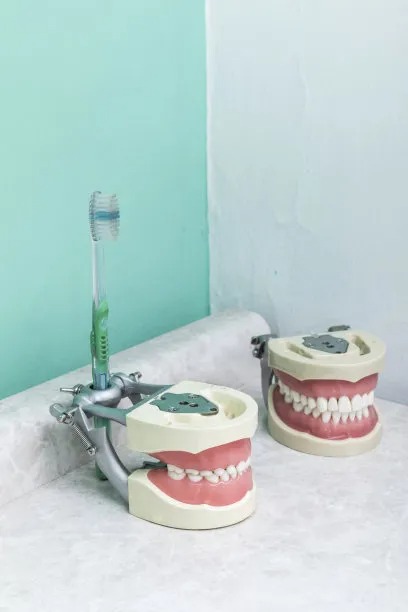
The journey to a healthier smile begins with a precise understanding of the dental implant procedure. Dental implants consist of artificial tooth roots, typically made from titanium, which are surgically embedded into the jawbone. This procedure usually occurs in two stages: the first involves placing the implant, followed by a healing period that allows the bone to integrate with the implant.
Once the site has healed adequately, a prosthetic tooth or crown is placed on top of the implant. This second procedure is often less invasive and may be completed in a single visit. Throughout the process, it is crucial to work with a qualified dental professional who specializes in implants to ensure proper technique and care.
It is also vital to discuss potential risks and complications with your dentist before proceeding. Understanding what to expect can ease anxiety and pave the way for a successful dental transformation.
2. Notable Benefits of Dental Implants
One of the most significant benefits of dental implants is their natural appearance. Unlike removable dentures, implants look and function like natural teeth, allowing individuals to smile confidently without fear of slippage. This striking resemblance to real teeth not only improves aesthetics but also contributes to an enhanced self-image.
Another remarkable advantage is the restoration of full chewing capability. Dental implants allow individuals to enjoy their favorite foods without dietary restrictions that often accompany missing teeth. This ability fosters a more enjoyable eating experience, contributing to overall health and well-being.
Dental implants also promote bone health. When a tooth is lost, the bone that previously supported that tooth can begin to deteriorate. Implants stimulate the jawbone, similar to natural teeth, effectively preventing bone loss and maintaining the integrity of the facial structure.
3. Financial Aspects of Dental Implants
While dental implants represent a reliable option, it is essential to understand the financial implications associated with the treatment. The upfront costs of dental implants can seem daunting compared to dentures or bridges; however, considering their longevity, they may be more cost-effective in the long term.
Many dental practices offer financing options and payment plans to help mitigate initial costs. It’s worthwhile to discuss these options with your dentist to determine a feasible plan for your budget. Additionally, investing in dental implants can save money over time by reducing future dental work due to complications from untreated tooth loss.
Furthermore, some dental insurance plans may partially cover the cost of implants. It is advisable for patients to carefully review their policy and discuss it with their dental provider to understand what financial assistance may be available.
4. Essential Aftercare Tips for Implants
Post-treatment care is crucial for the long-term success of dental implants. Patients should follow their dentists recommendations closely, particularly during the initial healing phase. Keeping the surgical site clean and avoiding certain foods can significantly impact recovery.
Routine dental visits remain essential even after implants are placed. Regular check-ups allow for monitoring the health of the implant and surrounding teeth, ensuring any potential issues are addressed promptly. Dental hygiene, such as brushing and flossing, must also be maintained to prevent infection.
Lastly, notifying your dentist about any unusual sensations or discomfort is vital for early detection of potential complications. Being proactive in aftercare will contribute significantly to the durability and success of your implants.
Summary:
In summary, this comprehensive guide has outlined the essential aspects of dental implant treatment, emphasizing its possibility to enhance your smile and confidence significantly. By understanding the procedure, acknowledging the benefits, considering financial implications, and adhering to aftercare best practices, individuals can make informed choices for their dental health.
This article is compiled by Vickong Dental and the content is for reference only.
















