



**Navigating Dental Fillings and Orthodontic Treatment: Compatibility Concerns When Traveling to Chinese Mainland**
In recent years, an increasing number of Hong Kong residents have opted to seek dental care in Chinese Mainland for procedures such as fillings, cleanings, and orthodontic treatments. While cost is a significant factor, the quality of service and the level of equipment are also major considerations. However, for those undergoing orthodontic treatment in Hong Kong and contemplating dental fillings in Chinese Mainland, there may be concerns about whether these treatments could conflict. So, do dental fillings and orthodontic treatment clash when you travel to Chinese Mainland?
Orthodontic treatment and dental fillings are distinct yet related procedures. Braces primarily focus on aligning teeth and adjusting bite, whereas fillings typically address issues like cavities, fractures, or structural loss. Ideally, these treatments can complement each other, but the key lies in understanding the sequence and ensuring clear communication.
**1. Understand Your Treatment Stage**
If you are currently wearing braces, it is crucial to know your treatment stage before deciding to get fillings in Chinese Mainland. For example, you might be in the initial alignment phase where teeth are shifting rapidly, or you might have progressed to the stabilization phase where movement is slower. This timing is critical because if you get fillings before your teeth have stabilized, the filling material might affect your bite due to further tooth movement. This could result in an unsatisfactory filling that may need to be redone.
**2. Communicate Clearly with Both Dentists**
Orthodontists in Hong Kong typically have a comprehensive treatment plan for your braces. If you decide to get fillings in Chinese Mainland, it is essential to inform the dentist there about your ongoing orthodontic treatment. This allows the mainland dentist to understand your oral condition and avoid extensive structural work before your teeth are fixed. Conversely, when you return to Hong Kong for orthodontic check-ups, inform your orthodontist about any fillings done in Chinese Mainland and the materials used to prevent misunderstandings due to information asymmetry.
**3. Be Aware of Material and Standard Differences**
Although the gap in dental technology between Hong Kong and Chinese Mainland is narrowing, there may still be slight differences in materials, equipment brands, or restoration standards. For instance, the composite resin or adhesives used for fillings might come from different manufacturers, leading to variations in color or hardness. If you are particular about the aesthetics and texture, discuss these aspects with your dentist in advance to ensure compatibility with your existing orthodontic system for a harmonious appearance.
**4. Plan Your Timing Wisely**
Orth
odontic treatments typically require follow-up visits every four to six weeks. If you plan to get fillings in Chinese Mainland, try to schedule them one to two weeks after your braces adjustment, allowing your teeth to stabilize slightly before the procedure. Additionally, after getting fillings, remember to inform your orthodontist during your next Hong Kong visit, so they can check if your bite has been affected. Proper timing coordination is crucial to minimize interference between the two treatments.
**5. Dont Neglect Oral Hygiene**
Individuals with braces are more prone to plaque buildup, increasing the risk of cavities. If you notice tooth discoloration, sensitivity to hot or cold, or pain while eating, dont delay treatment. Even if you dont plan to travel immediately to Chinese Mainland, getting a local check-up is beneficial. Early detection of cavities makes fillings easier and ensures they dont interfere with tooth movement.
**6. Utilize Convenient Online Communication**
Many dental clinics now offer online platforms or WhatsApp for consultations. Before getting fillings, you can send your previous X-rays and records from your Hong Kong dentist to the mainland dentist. This allows them to assess your condition without unnecessary repeat X-rays or guesswork. This seemingly minor step is crucial for maintaining treatment continuity.
**7. How to Determine "Conflict" vs. "Non-Conflict"**
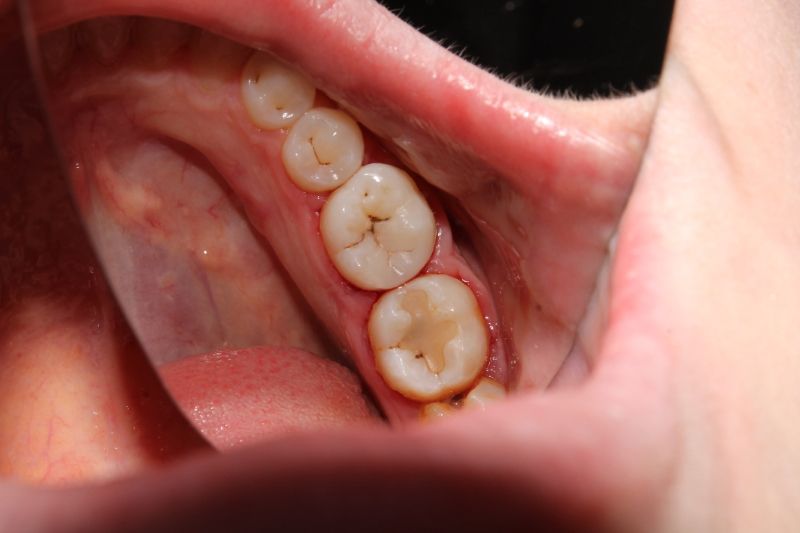
In simple terms, if the filling is in an area with minimal tooth movement, such as the molars, and only involves surface restoration, there is generally no issue. However, if the filling is in the front teeth and involves the tooth edge or affects the bite, extra caution is needed. During orthodontic treatment, the bite can become unstable, and improper handling might necessitate redo.
**8. Consistency is More Important than Location**
Regardless of whether you seek dental care in Hong Kong or Chinese Mainland, the most important aspect is maintaining consistent treatment records. Avoid visiting different clinics for convenience. If you must manage treatment in both locations, its best to have a primary dentist responsible for your care, with other locations handling emergency or minor repairs. Having one dentist track your dental progress ensures a smoother orthodontic plan.
**Conclusion**
In summary, dental fillings and orthodontic treatment do not inherently conflict when traveling to Chinese Mainland. The key lies in coordination, communication, and timing. With clear information exchange between dentists and a patient understanding of their treatment stage, both procedures can complement each other, enhancing restoration and orthodontic outcomes. If you plan to get fillings in Chinese Mainland, remember to discuss it with your orthodontist in advance to devise the most stable plan, ensuring your smile remains bright, natural, and healthy.
















