



Summary: Dental implants have emerged as a transformative solution in restorative dentistry, famously enhancing the quality of life for individuals with missing teeth. This guide explores the innovative dental implant treatment process, detailing its numerous benefits for oral health. By examining the technology behind implants, the procedure involved, and their maintenance, we can appreciate how these advancements lead to improved aesthetics and functionality. Moreover, the long-term health benefits associated with dental implants, including bone preservation and oral stability, underline their critical role in contemporary dental care. This comprehensive exploration serves to inform and inspire those considering dental implants as a viable solution for restoring their smiles.
1. Understanding Dental Implants and Their Function
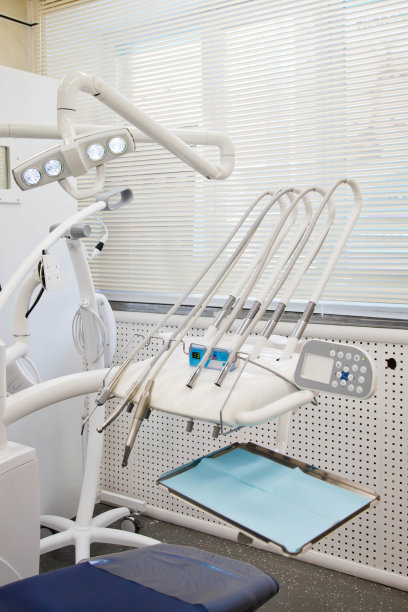
Dental implants are artificial tooth roots made of titanium that are surgically implanted into the jawbone. Their primary function is to support artificial teeth, such as crowns or dentures, thereby restoring the natural look and function of a person’s smile. This innovative procedure is a significant advancement over traditional dentures and bridges, offering enhanced stability and comfort.
Unlike conventional dental solutions that may require alteration of adjacent teeth, dental implants preserve the integrity of neighboring teeth. They mimic natural tooth roots and provide the necessary support for chewing, speaking, and other oral functions. This preservation contributes significantly to overall oral health, making implants a preferred choice for many.
Furthermore, the aesthetic appeal of dental implants cannot be overstated. They are designed to resemble natural teeth in both appearance and feel, providing an unobtrusive solution for those who may feel self-conscious about traditional dentures. This enables individuals to regain confidence in their smiles.
2. The Dental Implant Placement Procedure
The dental implant process typically involves several stages, beginning with a thorough examination and treatment planning by the dentist. During this initial phase, x-rays and models of the mouth are taken to assess bone density and position for implantation. This meticulous preparation helps ensure a successful placement and optimal outcome.
The second key step is the surgical placement of the implant. This minor outpatient procedure involves making an incision in the gum tissue to expose the bone, followed by drilling into the bone to insert the titanium implant. After placement, the gums are sutured closed, allowing for osseointegration, where the bone fuses with the implant over a period of several months.
Once the implant has securely integrated with the jawbone, the final stage involves attaching a custom-made crown that mimics the shape and color of the patients natural teeth. This final restoration allows for full functionality and contributes to the overall aesthetic appeal of the patient’s smile.
3. Long-Term Health Benefits of Dental Implants
One of the most significant long-term benefits of dental implants is the prevention of bone loss in the jaw. When a tooth is lost, the jawbone can begin to deteriorate due to lack of stimulation. Dental implants, by providing that stimulation, help maintain bone density and structure, preventing the sunken appearance often associated with missing teeth.
Additionally, implants contribute to better oral hygiene. Unlike traditional dentures, which can trap food and bacteria, dental implants are easier to clean and maintain. Patients can brush and floss them just like natural teeth, promoting better overall oral health.
Furthermore, dental implants can enhance overall quality of life by restoring functionality and improving self-esteem. Patients experience increased comfort and confidence when eating and socializing, ultimately leading to a more fulfilling lifestyle. The long-term security and comfort of dental implants make them a worthwhile investment for oral health.
4. Maintaining Your Dental Implants for Longevity
Maintaining dental implants is crucial for ensuring their longevity and effectiveness. Regular dental check-ups are essential, allowing for professional assessments and cleanings that help prevent complications. Dentists can monitor the health of the surrounding gums and tissues, ensuring they remain free of infection.
In addition to professional care, adopting a diligent at-home oral hygiene routine is vital. Brushing twice a day and flossing can help keep not only the implants clean but also maintain the health of the gums around them. Its important to use non-abrasive dental products to avoid damaging the implants.
Avoiding harmful habits, such as smoking or excessive alcohol consumption, is also key to the longevity of dental implants. These habits can impede healing and negatively affect overall oral health. By following these maintenance guidelines, patients can enjoy the benefits of their dental implants for many years.
Summary:
The exploration of dental implants reveals that they are a revolutionary solution for restoring not just smiles, but also confidence and oral health. Through understanding their functionality, the detailed procedure, the health benefits, and maintenance strategies, it becomes clear that dental implants are an investment in both aesthetics and well-being.
Embracing the advancements in dental implant technology offers individuals the opportunity to revitalize their smiles and enhance their quality of life. Whether considering implants for the first time or seeking to maintain existing ones, understanding the full spectrum of benefits is essential.
This article is compiled by Vickong Dental and the content is for reference only.
















