



Summary: Dental implants have revolutionized restorative dentistry, enhancing both oral health and aesthetic results for patients worldwide. This article delves into the latest advancements in dental implant treatment, focusing on technological innovations, the biomaterials used, surgical techniques, and post-operative care. Each aspect highlights how contemporary techniques facilitate improved outcomes, promoting a quicker recovery and superior aesthetic appeal. Additionally, these advancements address common challenges, such as bone loss and the need for individualized treatment planning. By exploring these advancements, patients can gain insights into making well-informed decisions regarding their dental health and aesthetic needs.
1. Technological Innovations in Dental Implants
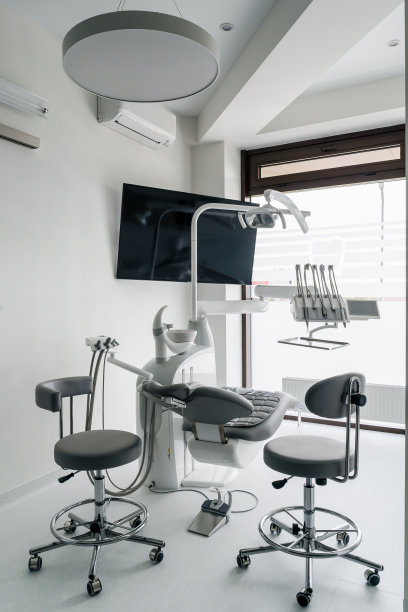
The realm of dental implants has witnessed remarkable technological advancements, often driven by research and development in digital dentistry. Innovations such as computer-guided surgical techniques have improved precision in the placement of implants, minimizing the complications associated with traditional methods. This technology uses 3D imaging and virtual simulations to create a tailored approach, ensuring implants are placed in optimal positions.
Moreover, the integration of CAD/CAM (Computer-Aided Design and Computer-Aided Manufacturing) technology allows for the design of customized prosthetic teeth. These digitally designed implants not only fit better but also enhance the overall aesthetic results. The meticulous nature of CAD/CAM processing contributes to more predictable outcomes and patient satisfaction.
Additionally, the use of augmented reality in planning dental implant surgeries is gaining momentum. Surgeons can visualize the anatomy of the jaw more accurately, allowing them to anticipate challenges and strategize before the actual procedure. This foresight translates to enhanced surgical outcomes and reduced recovery times for patients.
2. Innovations in Biomaterials for Implants
Advancements in biomaterials have significantly enhanced the performance and longevity of dental implants. Traditional titanium implants remain popular, but the introduction of newer materials like zirconia is gaining traction due to their biocompatibility and aesthetic qualities. Zirconia implants can blend more seamlessly with natural teeth, offering an appealing option for patients concerned about the visible aspects of their dental restoration.
Furthermore, surface modifications of materials are on the rise, such as the introduction of nano-coatings that promote osseointegration, the process by which the implant fuses with the bone. Enhanced surface textures can result in better bone cell attachment and growth, ultimately leading to greater stability and success rates of the implants.
Development in bioactive materials also aids healing. These materials can stimulate bone regeneration and facilitate faster integration between the implant and the jawbone, which is vital for long-term success. By leveraging such innovations, dental professionals can craft a more personalized treatment plan, ensuring patients receive optimal results.
3. Enhanced Surgical Techniques for Implant Placement
Modern surgical techniques have redefined implant placement, focusing on minimally invasive methods that promote patient comfort and reduce recovery times. Techniques such as flapless surgery eliminate the need for large incisions, lowering postoperative pain and trauma. This approach significantly shortens recovery periods and allows patients to resume normal activities faster.
Moreover, the introduction of immediate implant placement has revolutionized the field. In cases where extraction is necessary, placing an implant right after tooth removal is now possible, allowing for a streamlined process that can maintain bone structure and aesthetics effectively. This proactive measure not only saves time but also minimizes the number of surgical procedures a patient must undergo.
Guided implant surgery, coupled with advancements in imaging technologies, allows for intricate planning and execution, ensuring greater accuracy during the procedure. This enhanced precision effectively reduces the likelihood of complications and contributes to the overall success of the treatment, providing both functional and aesthetic benefits to patients.
4. Comprehensive Post-Operative Care for Patients
Post-operative care is crucial to ensuring the success of dental implant procedures. Recent advancements include the development of personalized recovery plans, which take into account an individuals health status and specific needs. These tailored plans ensure better adherence to post-surgical protocols, minimizing the risk of complications.
Rapid healing protocols, such as the use of platelet-rich plasma (PRP), are becoming popular in fostering recovery. PRP can enhance tissue healing and reduce inflammation, thereby bolstering the implant integration process. Incorporating these treatment modalities not only improves healing but also enhances patient comfort during recovery.
Furthermore, technology-driven follow-up systems like telehealth consultations allow dental practitioners to monitor patients remotely. This continuous care model enables timely interventions if complications arise, ensuring that patients feel supported throughout their healing journey. By employing advanced strategies in post-operative care, dental professionals can significantly boost patients’ confidence and satisfaction with their implant treatments.
Summary:
The exploration of the latest advances in dental implant treatment reveals an era of remarkable potential for enhancing oral health and aesthetics. From technological innovations to improved biomaterials, surgical techniques, and comprehensive post-operative care, each advancement plays a pivotal role in shaping successful treatment outcomes. By remaining abreast of these changes, patients can make well-informed decisions regarding their dental health, leading to better functional and aesthetic results.
This article is compiled by Vickong Dental and the content is for reference only
















