



Summary: The advancement of dental technology has transformed the landscape of oral care, particularly in the realm of dental implants. This article explores innovative methods and technologies that are significantly enhancing treatment outcomes for patients. From personalized treatment plans and cutting-edge materials to state-of-the-art imaging techniques and the role of digital dentistry, we will delve into how these advancements not only improve aesthetics but also restore oral functionality. Together, these elements create a comprehensive overview of the modern approach to dental implant treatments, showcasing their potential to revolutionize smiles and restore confident, functional lives.
1. Personalized Treatment Plans for Patients
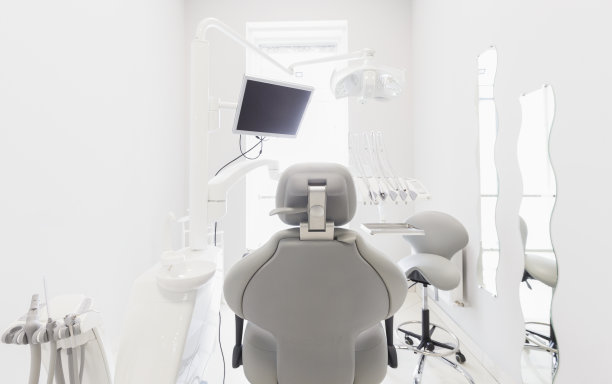
Effective dental implant treatment begins with a personalized approach. Each patient presents unique anatomical and functional needs, making it essential for dental professionals to tailor their strategies accordingly. A thorough initial assessment that considers various factors such as jawbone density, gum health, and individual lifestyle choices ensures a customized treatment plan that optimizes outcomes.
This calibrated approach often includes developing specific timelines and procedures which allow for optimal integration of the implants. Dental professionals may leverage 3D imaging to map out individualized surgical paths, which aids in minimizing risks and enhancing precision during the actual implantation process. This attention to detail ultimately leads to higher success rates and improved patient satisfaction.
Moreover, continuous evaluations throughout the treatment process help incorporate any feedback and adjustments necessary. This evolving approach fosters a collaborative relationship between the dentist and the patient, reinforcing confidence and comfort, key elements in any successful dental journey.
2. Advanced Materials for Enhanced Durability
The materials used in dental implants have seen significant advancements, greatly enhancing the longevity and functionality of the implants. Historically, titanium served as the gold standard due to its biocompatibility and strength. However, innovations have led to the development of zirconia implants, which are not only aesthetically appealing but also exceptionally durable.
Zirconia offers a tooth-like aesthetic that blends seamlessly with natural teeth, reducing the visibility of dental implants. As a part of a restorative process, this choice can greatly enhance a patient’s self-esteem and comfort with their appearance. The robust nature of these materials also contributes to their resistance to corrosion and fracture, making them suitable for long-term use.
Furthermore, advanced surface treatments are being employed to enhance the osseointegration process, improving how well the implant fuses with the jawbone. These materials and techniques ensure that the implants provide both functional support and aesthetic appeal, fulfilling critical patient requirements in modern dentistry.
3. Role of Digital Dentistry in Treatment Planning
Digital dentistry has become a pivotal part of modern dental implant treatment, streamlining procedures and improving precision. With the use of digital scanning and imaging technologies, dental professionals can create detailed 3D models of a patient’s mouth, allowing for a more accurate assessment and planning of the implant placement.
This technology is particularly advantageous when it comes to planning complex cases where anatomical structures may make traditional approaches challenging. The ability to visualize the surgical site in detail allows for more precise implant placement, ultimately minimizing complications and enhancing postoperative recovery times.
Moreover, digital workflows enable seamless communication between the dental lab and the office, ensuring that restorations are created with the utmost accuracy. This integration reduces turnaround times and increases patient satisfaction with a quicker return to functional aesthetics.
4. Innovations in Postoperative Care and Monitoring
Innovations in dental technology extend beyond the actual procedures; postoperative care is also undergoing a transformation. Advanced monitoring technologies, such as remote sensing and intraoral cameras, allow dental professionals to track healing progress without frequent in-office visits.
This not only enhances convenience for the patient but also allows for early detection of potential issues such as infection or implant failure. A proactive approach to monitoring can significantly enhance long-term success rates, transforming how dental health is maintained.
Furthermore, patient education has become more robust with digital resources available for aftercare instructions. Videos, apps, and online platforms can provide patients with detailed guidance on managing their health post-treatment, thereby empowering them to take an active role in their recovery and overall oral hygiene.
Summary:
The advancements in dental implant technology are redefining the capabilities of oral care, with significant improvements in personalized treatment plans, advanced materials, the implementation of digital dentistry, and innovations in postoperative monitoring. These progressions not only enhance aesthetic outcomes but also restore the functional integrity that patients seek in their dental health.
The use of cutting-edge methods and technologies ultimately reaffirms the importance of providing comprehensive care tailored to individual needs, ensuring smiles can be both transformative and functional. This commitment to advancing dental practices underscores the significance of modern dental implants in enhancing quality of life.
This article is compiled by Vickong Dental and the content is for reference only.
















