



**Recovery Period After Dental Treatment in Chinese Mainland: What to Expect**
In recent years, many Hong Kong residents have opted to travel to Chinese Mainland for dental treatments. The convenience of travel, advanced medical technology, and a wide array of services make it an attractive option. However, a common concern among patients is the recovery time post-treatment. Recovery varies depending on the procedure, individual oral health, and post-treatment care habits.
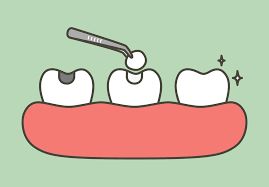
For standard cavity fillings using resin or composite materials, the procedure is relatively straightforward. Patients can typically resume normal eating habits the same day, once the anesthesia wears off. It is advisable to avoid hard or hot foods during the first couple of days to allow the teeth to adjust to the new filling. Initially, you might feel a slight discomfort, but this usually subsides within two to three days, and your bite will stabilize.
If the cavity is deeper or involves the dental nerve, a root canal treatment is necessary. This procedure is often completed over multiple sessions, starting with infection removal, followed by sealing and filling. Full recovery can take from one week to several weeks. During this period, maintaining oral hygiene and avoiding hard foods on the treated side is crucial to prevent reinfection.
For those undergoing treatments like crowns or dental caps, the recovery period is slightly longer. These procedures involve tooth grinding and waiting for the crown to be fitted. Post-procedure, mild soreness or tightness is common, typically easing within three to five days. Its important to avoid hard foods such as peanuts, ice, or bones to allow your teeth to adapt to the new structure.
A common question among Hong Kong patients is whether they need to return immediately for follow-up appointments. Generally, if the treatment is completed with regular check-ups and no oral discomfort, you can continue with daily activities. However, if you experience persistent pain, misalignment, or gum swelling upon return
ing, it is essential to consult a dentist promptly. Recovery varies among individuals; some heal quickly, while others may require more time.
Lifestyle habits significantly impact recovery speed. Frequent consumption of cold drinks, biting hard objects, and neglecting oral hygiene can exert extra pressure on the treated area, affecting the durability of the filling. Proper post-treatment care is vital. It is recommended to brush teeth at least twice daily and use dental floss to clean between teeth, minimizing bacterial accumulation. Good habits enhance the longevity of dental work and reduce the risk of future cavities.
Concerns regarding the environment and material safety in Chinese Mainland are common. Many dental centers meet high standards; choosing a reputable and certified clinic and maintaining open communication with your dentist generally alleviates these worries. Adhering to post-treatment instructions, especially regarding painkillers or antibiotics, is crucial for smooth recovery and avoiding inflammation or discomfort.
In summary, recovery time after dental treatment in Chinese Mainland depends on the type of procedure, individual health, and care practices. Simple fillings typically resolve in a few days, while root canals or crowns require more time. Patience is key, allowing your body ample time to adjust and heal. If unusual symptoms like persistent pain, sensitivity, or gum swelling occur during recovery, seek professional dental advice without delay.
Remember, dental treatment is not a one-time event but part of a continuous commitment to oral health. Whether treated in Hong Kong or Chinese Mainland, maintaining cleanliness, regular check-ups, and avoiding hard foods ensures long-lasting dental health and a natural smile. The goal of dental work is not only repair but also to restore a pain-free, confident lifestyle. Recovery may be brief, but the commitment to oral care should be enduring. Embracing good habits reveals that dental treatment in Chinese Mainland is a convenient and worthwhile choice.
















