








**Will Drinking Coffee After Dental Fillings Cause Staining?**
In recent years, many Hong Kong residents have chosen to travel to the Chinese Mainland for dental fillings due to convenient transportation and a wide range of services. However, a common concern arises post-treatment: will drinking coffee lead to staining of the teeth or the filling area? Given that many people in Hong Kong rely on a daily cup of coffee for a boost, its crucial to understand whether its safe to continue this habit after dental work. This article explores the situation from a practical perspective.
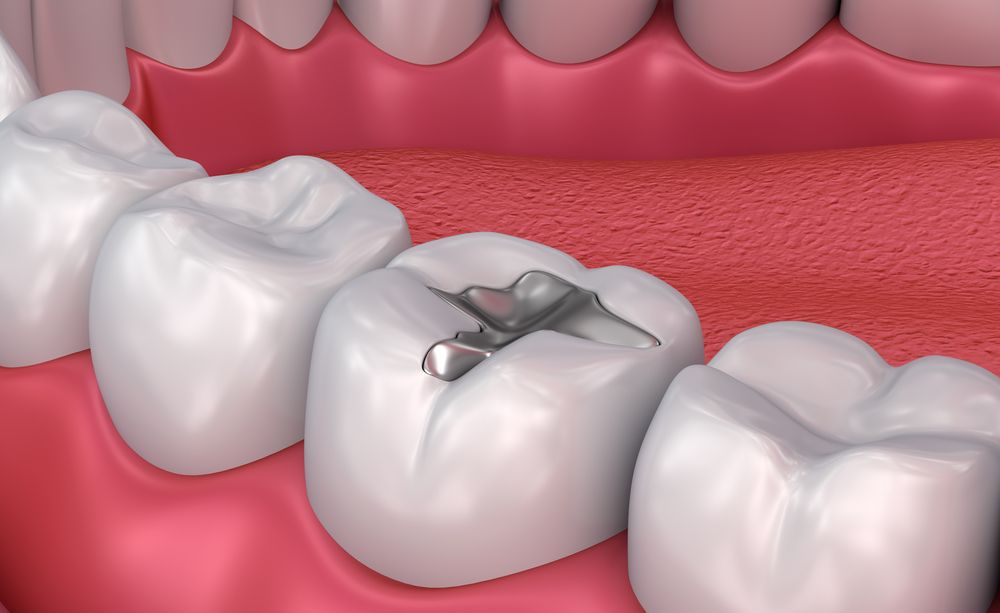
Dental fillings typically involve the use of materials such as resin or porcelain to restore teeth. Resin fillings are quite common, but this material has a certain degree of color absorption. In other words, frequent exposure to dark beverages like coffee, red wine, or tea can gradually cause discoloration, turning the filling yellow or brown. Porcelain materials, on the other hand, are less prone to staining due to their smooth surface, which resists dirt. Regardless of the material used, its advisable to avoid consuming large amounts of dark beverages immediately after getting a filling.
Why is this important? After a dental filling, especially with resin, the surface may still have microscopic roughness despite being polished. The initial glossiness might not be fully stable in the first couple of days. During this period, consuming coffee can allow brown pigments to penetrate these micro-pores, leading to staining. Additionally, the acidic components in coffee can slightly affect the tooth surface, making it more susceptible to stains over time.
Managing this issue in daily life is straightforward. Many dentists recommend waiting at least two to four hours before drinking coffee post-filling, and ideally, resuming normal consumption after a day or two. When you do drink coffee, using a straw can help prevent direct contact with the filling area, reducing pigment attachment. Furthermore, rinsing your mouth with water after coffee consumption can lower the chances of pigment residue.
A helpful tip for maintaining oral hygiene is to ensure cleanliness. Brush your teeth morning and night, use dental floss or interd
ental brushes to remove food particles and pigments from between teeth and around the filling edges. Coffee pigments easily combine with plaque, forming stains. Keeping the tooth surface clean naturally reduces the chance of pigment bonding. Its a common misconception that certain areas post-filling require less attention. Despite the hardness of filling materials, they need the same care as natural teeth.
Dietary habits also play a role in staining. Besides coffee, many people enjoy tea, red wine, or foods with dark sauces, all of which increase the risk of staining. If youre particularly fond of coffee, consider opting for lighter-colored or milk-based coffee, which has a relatively lower pigment concentration. Reducing the contact time between coffee and teeth is another effective strategy—drink quickly without savoring it in your mouth.
Some may wonder if staining is a serious issue. Generally, minor staining affects aesthetics but doesnt immediately compromise dental health. However, neglecting cleanliness can lead to pigment accumulation and plaque formation, potentially causing gum inflammation or tartar development, which are more troublesome. Keeping the filling area clean is not just for appearance but also for long-term dental health.
Regular check-ups are also crucial. Even if you get dental work done in the Chinese Mainland, follow-up with a dentist in Hong Kong to monitor any changes in the filling area, such as discoloration or wear. Some surface stains can be professionally polished away, but if pigments penetrate deeper, re-treatment might be necessary. During the first few months post-filling, pay extra attention to diet and hygiene to minimize pigment infiltration.
In conclusion, drinking coffee after dental fillings isnt entirely off-limits, but it requires smart consumption. By managing timing, methods, and hygiene practices, you can enjoy the aroma of coffee while maintaining a bright smile. Remember, dental health and aesthetics are integral to your quality of life, and a little extra care can prevent unnecessary troubles. Next time you have a dental filling and crave coffee, consider rinsing your mouth, using a straw, and drinking quickly to enjoy with peace of mind.
















