








**Common Reasons for Dental Filling Failures in Chinese Mainland**
In recent years, many Hong Kong residents have opted to travel to the Chinese Mainland for dental treatments due to convenient transportation and well-established facilities. However, some individuals notice that their newly filled teeth begin to loosen or fall out shortly after the procedure. While not everyone experiences this, when it does occur, it can significantly impact the comfort of eating and speaking. In this article, well explore the common causes of dental filling failures in the Chinese Mainland and offer tips on how to prevent these issues.
**1. Impact of the Tooths Condition**
The stability of a dental filling largely depends on the condition of your tooth. If the cavity is extensive and the tooth structure is severely compromised, even after filling, the remaining tooth material may not be strong enough to support the filling. For instance, thin tooth walls are more susceptible to loosening due to biting pressure.
**2. Insufficient Cleaning Before Filling**
Before filling a cavity, dentists typically remove the decayed portion and clean the cavity thoroughly. If this cleaning is inadequate, leaving residual decay or bacterial film on the tooth surface, it can affect the adhesion of the filling material to the tooth, increasing the likelihood of the filling falling out over time.
**3. Material Selection and Technique**
Different filling materials, such as resin, ceramic, or metal, have distinct properties. If the material is not chosen based on the tooths location and function, or if the technique during the procedure is lacking—such as uneven adhesive application or insufficient curing—it can affect the durability of the filling. When receiving treatment in the Chinese Mainland, pay close attention if the dentist explains the characteristics and suitable applications of the materials.
**4. Excessive Biting Force**
Some individuals naturally exert strong biting forces, especially those who enjoy eating hard foods like crunchy snacks or meat with bones, which can increase stress on the filling. Prolonged high-pressure biting at the same spot may cause the filling material to crack or loosen. Additionally, those with a habit of grinding their teeth at night can accelerate wear and tear on the filled area.
**5. Inadequate Post-Treatment Care**
Getting a dental filling doesnt mean
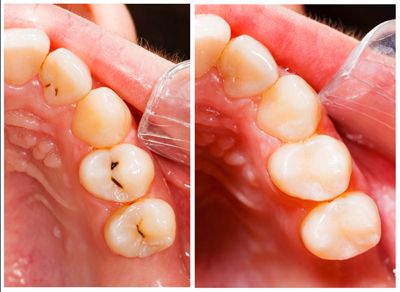
youre in the clear; post-treatment care is equally important. Failing to follow the dentists advice to temporarily avoid extremely hot or cold foods, or neglecting oral hygiene around the filled tooth, can affect the fillings stability. Maintaining good oral hygiene and regular check-ups can help detect problems early.
**6. Natural Wear Over Time**
Regardless of where you get your dental work done, filling materials cannot completely mimic natural teeth. Over time, chewing, temperature changes, and saliva can cause the material to wear or shrink, which is a natural phenomenon. However, regular check-ups can help address issues early, preventing complete dislodgement.
**7. Communication Gaps in Cross-Border Treatment**
While traveling to the Chinese Mainland for dental care is convenient, differences in terminology and procedures between regions can pose challenges. If issues arise post-treatment and you cant return to the original clinic promptly, it may affect follow-up care. Insufficient communication can lead patients to overlook important recovery guidelines, indirectly increasing the risk of filling failure.
**Prevention Tips**
1. **Choose Experienced Dentists**: Regardless of where you receive treatment, select dentists with professional qualifications and experience to ensure quality technique and materials.
2. **Understand Material Characteristics**: Different materials have varying durability; choose based on your dietary habits.
3. **Follow Post-Treatment Guidelines**: Adhere to dietary recommendations post-filling, such as avoiding hard foods and extreme temperatures.
4. **Regular Follow-Up Checks**: Visit your dentist at least every six months to a year to examine the condition of your fillings.
5. **Improve Oral Habits**: Reduce habits like nail-biting or using teeth to open bottle caps, and consider using a night guard for teeth grinding.
In summary, the causes of dental filling failures when traveling to the Chinese Mainland can be numerous, including the health of the tooth itself, the quality of the procedure, material selection, and daily care. By preparing and maintaining your teeth before and after fillings, most issues can be avoided. Dental health not only affects appearance but also directly impacts our quality of life, so regardless of where you receive treatment, its important to adopt a long-term approach to oral care.
















