




**"Should You Avoid Sweets After Getting Dental Fillings in the Chinese Mainland?"**
In recent years, many residents of Hong Kong have opted to travel to Shenzhen or other northern cities in the Chinese Mainland for dental fillings. The reasons are clear: convenient transportation, comparable dental technology and equipment, and often quicker procedures. However, a common question arises upon their return: "Do I need to avoid sweets after getting my dental fillings?" This question extends beyond just sugar consumption; it involves the long-term care of your oral health.
The dental filling process involves using dental materials to fill cavities, preventing further decay. Whether you receive your dental treatment in the Chinese Mainland or Hong Kong, dentists generally advise avoiding hard or sticky foods for the first couple of days. This allows the filling material to stabilize and adapt to the structure of your teeth. While it’s not necessary to completely eliminate sweets, it’s crucial to moderate your intake. The reason is simple: sugar is a primary culprit in tooth decay.
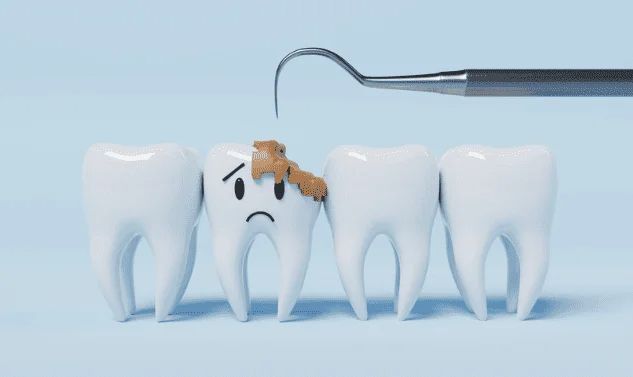
After consuming sugar, bacteria in the mouth convert it into acidic substances, which gradually erode the enamel on your teeth. If youve just had a filling, the area may still be sensitive, and both your teeth and gums need time to heal. During this recovery period, excessive sugar residue on your teeth or between them can easily lead to new cavities, even affecting the newly filled areas.
Additionally, the materials used for fillings in the Chinese Mainland might differ slightly from those in Hong Kong. Some materials may be harder, while others may closely mimic natural tooth structure. Regardless of the material, they are not a shield against cavities. If you continue to consume large amounts of sweets, such as cakes, candies, or bubble tea, over time, your oral environment will deteriorate. Eventually, even if the filling remains intact, your other teeth may suffer.
Besides sugar, be cau
tious with certain foods like fruit juices, gummy candies, maltose, and sticky desserts. These can easily adhere to the tooth surface, making cleaning difficult. If you find it hard to resist sweets, remember two key habits: try to consume sweets after meals and rinse or brush your teeth immediately afterward. This practice can reduce the time sugar lingers in your mouth, minimizing bacterial activity.
Post-filling, establishing good oral hygiene habits is crucial. Brush your teeth at least twice a day, in the morning and at night; use dental floss to clean between your teeth; and visit your dentist regularly for check-ups. Many people mistakenly believe that getting a filling is a one-time fix, but it merely addresses existing damage. It doesn’t give you a free pass to indulge in unlimited sweets. Oral health is built over time, and good habits naturally reduce the need for frequent dental visits.
Heres a practical tip, especially for those who frequently travel to the Chinese Mainland for dental work: On the day of your filling, avoid consuming very hot or cold beverages, as temperature extremes can make your teeth sensitive. Sweet treats often accompany drinks like iced milk tea or hot chocolate. If you do indulge, remember to rinse your mouth afterward. Once your teeth have adjusted and stabilized, you can gradually return to a normal diet, but sweets should still be consumed in moderation.
In reality, "avoiding sweets" doesn’t mean eliminating sugar entirely; it’s about moderation. Consider substituting desserts with fruits or choosing snacks with lower sugar content. After getting dental fillings in the Chinese Mainland, if you maintain a healthy diet and practice diligent oral care, your teeth can remain in good condition for a long time. Don’t let momentary cravings undo your efforts. Remember, dental health is closely linked to lifestyle habits. Regardless of where you get your dental work done, reducing sugar intake is a long-term commitment worth pursuing.
















