





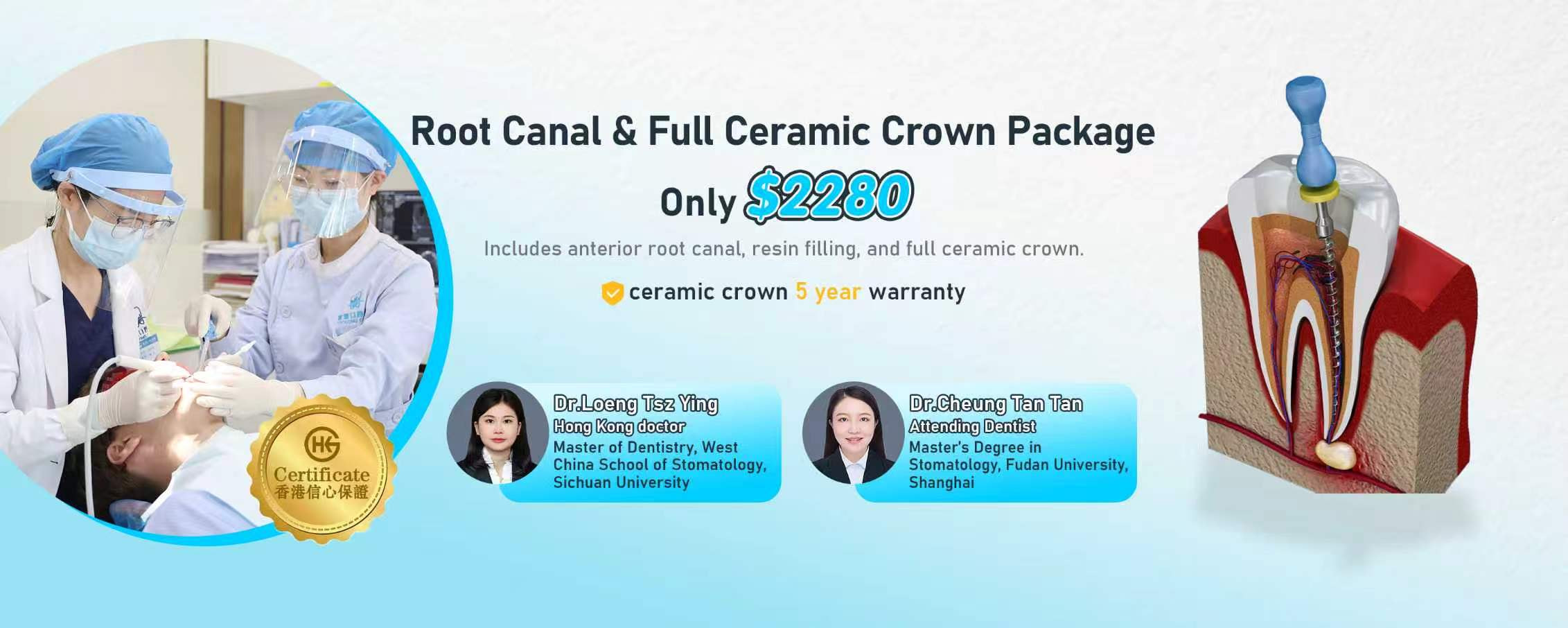


Summary: In recent years, advanced dental implant treatment techniques have significantly transformed the landscape of smile restoration, leading to improved oral health and increased confidence for many individuals. This article explores the key aspects of these revolutionary implant treatments, outlining their technological advancements, personalized care approaches, procedural safety, and long-term benefits. By understanding these components, patients can better appreciate how these cutting-edge techniques are not only restoring smiles but also enhancing overall dental function and self-esteem.
1. Technological Advancements in Implant Treatments

Modern dental implants have benefitted from remarkable technological advancements, leading to improved outcomes. Innovative techniques such as 3D imaging and computer-aided implant planning have revolutionized how we approach smile restoration. These technologies allow for precise placement of implants, tailored specifically to the unique anatomy of each patient’s mouth.
Additionally, the development of bio-compatible materials has enhanced the durability and acceptance of implants. Materials such as titanium ensure a strong bond with the jawbone, facilitating better integration and longevity. These advancements culminate in a restoration process that is not only effective but also comfortable for the patient.
Furthermore, advancements in minimally invasive procedures have revolutionized implant treatments. Techniques such as flapless surgery reduce recovery times and discomfort, allowing patients to return to their normal activities sooner. This integration of technology makes dental implant procedures more efficient and streamlined, ultimately improving patient satisfaction.
2. Personalized Care for Each Patient
The shift towards personalized care in dental implant treatments has become a cornerstone of the modern approach to oral health. Dentists now emphasize individualized treatment plans that consider a patient’s specific dental history, preferences, and lifestyle. This tailored approach ensures that patients receive the most effective solutions for their unique situations.
Moreover, a comprehensive consultation process is essential in developing these personalized care strategies. Dentists engage in detailed discussions with patients, encouraging them to voice their concerns and expectations. This patient-dentist collaboration fosters trust and confidence, making the treatment experience far more reassuring.
Follow-up care is also a critical component of personalized treatment. Ongoing assessments and tailored maintenance plans ensure the longevity and success of dental implants. By adjusting care based on individual recovery and needs, practitioners can maximize the benefit of the restoration procedures.
3. Safety and Efficacy of Procedures
The safety of dental implant procedures has significantly improved over the years, thanks to refined surgical protocols and strong adherence to best practices. Dentists utilize advanced anesthesia techniques and sedation options to enhance patient comfort during procedures. As a result, many patients experience less anxiety and discomfort during what has historically been viewed as an invasive treatment.
The efficacy of these procedures largely derives from rigorous training and specialization within the dental field. Implantologists are highly skilled in the latest techniques, ensuring precision in the surgical process. This expertise translates to successful implant placements, reduced complications, and improved patient outcomes.
Additionally, stringent sterilization measures minimize infection risks. Dental clinics are now equipped with advanced sterilization technologies that promote the highest hygiene standards. Patients can feel confident knowing that their health and safety is a top priority during their treatment.
4. Long-term Benefits of Dental Implants
The long-term benefits of choosing dental implants for smile restoration are profound, starting with enhanced oral function. Patients regain the ability to chew properly, allowing them to enjoy a wider variety of foods without discomfort or restrictions. This improvement in function contributes to overall nutritional health.
Cosmetically, dental implants provide natural-looking results that can significantly boost self-confidence. Many patients report feeling more inclined to smile, socialize, and engage in public settings post-treatment. This psychological benefit, stemming from a renewed sense of self-esteem, is perhaps one of the most valuable outcomes of advanced dental implant techniques.
Finally, implants contribute to long-term oral health by preventing bone loss. The integration of the implant with the jawbone stimulates bone growth, maintaining the facial structure and preventing the sunken appearance common with tooth loss. This characteristic significantly enhances both function and aesthetics, solidifying the implant as a preferred option for smile restoration.
Summary:
In conclusion, the advanced dental implant treatment techniques have redefined smile restoration by integrating cutting-edge technology, personalized care, procedural safety, and long-term benefits. Patients experiencing tooth loss now have access to solutions that not only restore their smiles but also elevate their overall quality of life through improved oral health and renewed confidence.
This article is compiled by Vickong Dental and the content is for reference only.
















