





**Post-Dental Filling Care: Habits That Can Damage Your Dental Work**
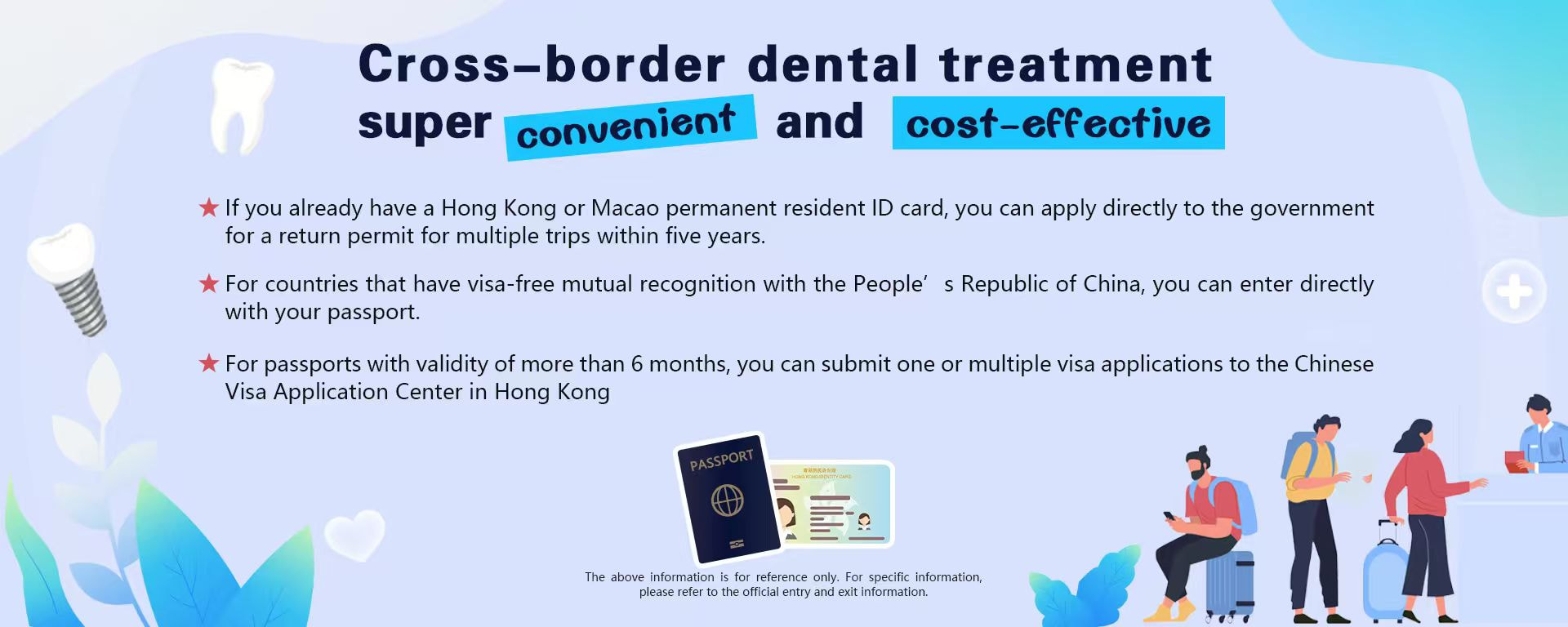
In recent years, many Hong Kong residents have opted to travel to the Chinese Mainland for dental procedures during holidays, particularly for dental fillings, due to their convenience and speed. However, getting a dental filling doesn’t mean you can ignore your oral health afterwards. Certain habits can quickly damage the filling, necessitating another trip for repairs, which can be both time-consuming and inconvenient. Today, we’ll discuss the habits that are most detrimental to your dental fillings after the procedure.
**1. Frequently Chewing Hard Foods**
After receiving a dental filling, many people quickly forget about their new dental work and continue eating as usual, including biting into hard nuts, ice cubes, or hard candies. Although dental filling materials have a certain degree of strength, they are not as durable as natural teeth. Chewing excessively hard items can cause the filling to crack or the edges to chip. Especially in the first few days after the procedure, its best to avoid very hard or chewy foods to allow your teeth and the filling to properly adjust.
**2. Constantly Chewing on the Filled Side**
Post-filling, some individuals tend to chew on the side with the new filling, thinking it feels more comfortable. However, chewing generates pressure, and focusing it on one side can overburden the teeth and filling on that side. Its advisable to alternate chewing between both sides to evenly distribute the pressure, preventing premature issues due to overuse.
**3. Neglecting Oral Hygiene**
Some people believe that once a tooth is filled, it’s immune to cavities. In reality, cavities can still develop, particularly at the junction between the filling and the tooth, where food particles and plaque can easily accumulate. It’s essential to brush your teeth thoroughly twice a day and use dental floss or interdental brushes to clean between teeth and around the edges of fillings. Maintaining oral hygiene is crucial for the longevity of your dental fillings.
**4. Consuming Acidic or Sugary Drinks Frequently**
Dental filling materials can be affected by acidic environments, accelerating the loss
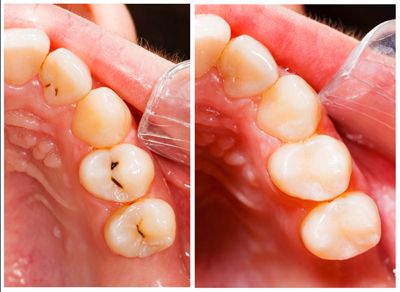
of material at the edges. After getting a filling, some individuals continue to consume sodas, lemon tea, or sports drinks, which can soften teeth and increase the risk of secondary cavities. Sugary drinks also promote bacterial activity, potentially causing the edges of fillings to darken or loosen. Therefore, its important to consume acidic and sugary beverages in moderation and rinse your mouth with water afterwards.
**5. Skipping Regular Dental Check-Ups**
A dental filling isn’t a one-time fix; some fillings may change over time due to biting forces, diet, or natural wear. Without regular check-ups, early issues can easily be overlooked. It’s best to visit your dentist every six months to a year for a check-up, addressing any concerns early to prevent minor problems from escalating.
**6. Ignoring Nighttime Teeth Grinding**
Some individuals have a habit of grinding their teeth at night, which can damage dental fillings over time, even if they’re unaware of it. Nighttime grinding places extra pressure on teeth, particularly filled teeth, which can quickly develop cracks or chips. If your dentist recommends wearing a night guard, it’s important to follow their advice to protect your fillings.
**7. Consuming Extremely Hot or Cold Foods Frequently**
Dental filling materials can be sensitive to temperature changes, with extreme heat or cold causing different rates of expansion and contraction compared to natural teeth, leading to micro-cracks. Consuming hot soup followed by cold drinks can accelerate the aging of fillings. It’s best to stick to moderate temperatures in food and drinks to minimize stress on the fillings.
**Conclusion**
Traveling to the Chinese Mainland for dental fillings can be convenient, but post-procedure care and lifestyle habits are even more critical. Avoiding hard foods, alternating chewing sides, maintaining oral hygiene, moderating diet, scheduling regular check-ups, addressing teeth grinding issues, and being mindful of temperature changes are all essential for protecting your dental fillings. Your teeth are lifelong companions, and while fillings are just one step, proper maintenance and protection are key to preserving your smile for years to come.
















