








Summary: Dental implant treatment is a transformative solution for those seeking to enhance their smile and restore functionality. This comprehensive guide delves into the numerous benefits of dental implants, outlines the necessary procedures for placement, and emphasizes crucial aftercare to ensure lasting results. From improved aesthetics and confidence to addressing oral health concerns, dental implants emerge as a reliable choice. In this article, we will explore these aspects in detail to help you make an informed decision about enhancing your smile through dental implants.
1. Benefits of Dental Implants for Your Smile
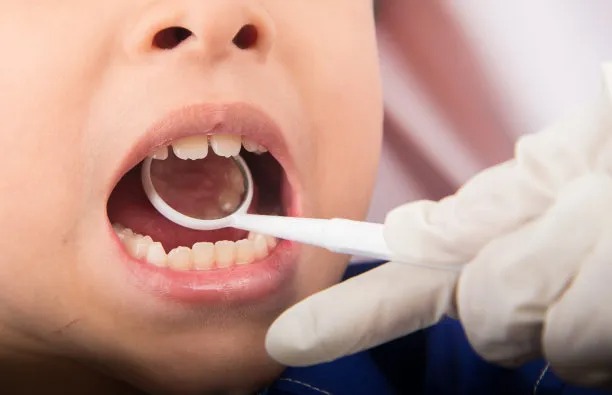
Dental implants offer a myriad of benefits that go beyond aesthetics. First and foremost, they provide a permanent solution to missing teeth, allowing individuals to regain their confidence while smiling. Unlike traditional dentures, implants do not shift or slip, ensuring that patients can enjoy their favorite foods without worrying about discomfort or embarrassment.
Another significant benefit is that dental implants help maintain the structure of the jawbone. When a tooth is lost, the jawbone can begin to deteriorate due to lack of stimulation. Implants act as artificial tooth roots, stimulating bone growth and preventing bone loss, which can lead to facial sagging and other oral complications.
Additionally, dental implants contribute to better oral health. They do not require the alteration of nearby teeth, which is often the case with bridgework. This design helps maintain the integrity of the surrounding teeth, promoting overall dental health and longevity.
2. Understanding the Dental Implant Procedure
Understanding the dental implant procedure is crucial for anyone considering this option. The process begins with a comprehensive dental examination, including x-rays and assessments of the jawbone density. This evaluation determines if the patient is a suitable candidate for implants.
The next stage involves the surgical placement of the implant, which is usually done under local anesthesia. The dentist will insert a titanium post into the jawbone, acting as a replacement root. Patients typically require some healing time, during which the implant fuses with the bone in a process called osseointegration.
After the healing period, which can vary from several weeks to a few months, an abutment is attached to the implant. This component connects the implant to a prosthetic tooth or crown that will be custom-made to match the surrounding natural teeth, ensuring a seamless and aesthetically pleasing result.
3. Aftercare Tips for Dental Implants
Proper aftercare is essential to the success and longevity of dental implants. After the procedure, patients are usually advised to follow a soft food diet for a few days to minimize discomfort while the implant heals. Its crucial to maintain diligent oral hygiene, including regular brushing and flossing, to prevent infection and gum disease.
Regular dental check-ups are also key in monitoring the health of your implants. Your dentist will check the stability of the implant and the health of the surrounding gums during these visits. Additionally, they may provide professional cleanings to ensure optimal oral health.
Lastly, avoiding habits such as smoking and excessive alcohol consumption can greatly influence the healing process. These habits can impede healing and increase the risk of implant failure. Adopting a healthy lifestyle will not only support your dental implant but will also enhance your overall health and well-being.
4. Cost Considerations and Insurance Coverage
The cost of dental implants is a significant factor for many patients. While the initial investment may appear high, it’s essential to consider the long-term benefits and durability of implants. Compared to other dental solutions, implants often save money in the long run due to their longevity, which can last a lifetime with proper care.
Insurance coverage for dental implants can vary widely. Many dental insurance plans do not cover implants as they consider them a cosmetic procedure. However, it’s advisable to consult with your insurance provider to determine if any part of the procedure can be included under your plan.
Some dental offices also offer financing options or payment plans, making implants more accessible for those concerned about affordability. Being informed about your payment options can alleviate financial stress and facilitate your journey toward an enhanced smile through dental implants.
Summary:
In conclusion, dental implants present a valuable solution for enhancing your smile and ensuring oral health. With their myriad benefits, understanding the procedures, and committing to proper aftercare, you can enjoy a confident and radiant smile for years to come. By weighing the cost and exploring insurance options, you can make an informed decision that aligns with your needs.
This article is compiled by Vickong Dental and the content is for reference only.
















