





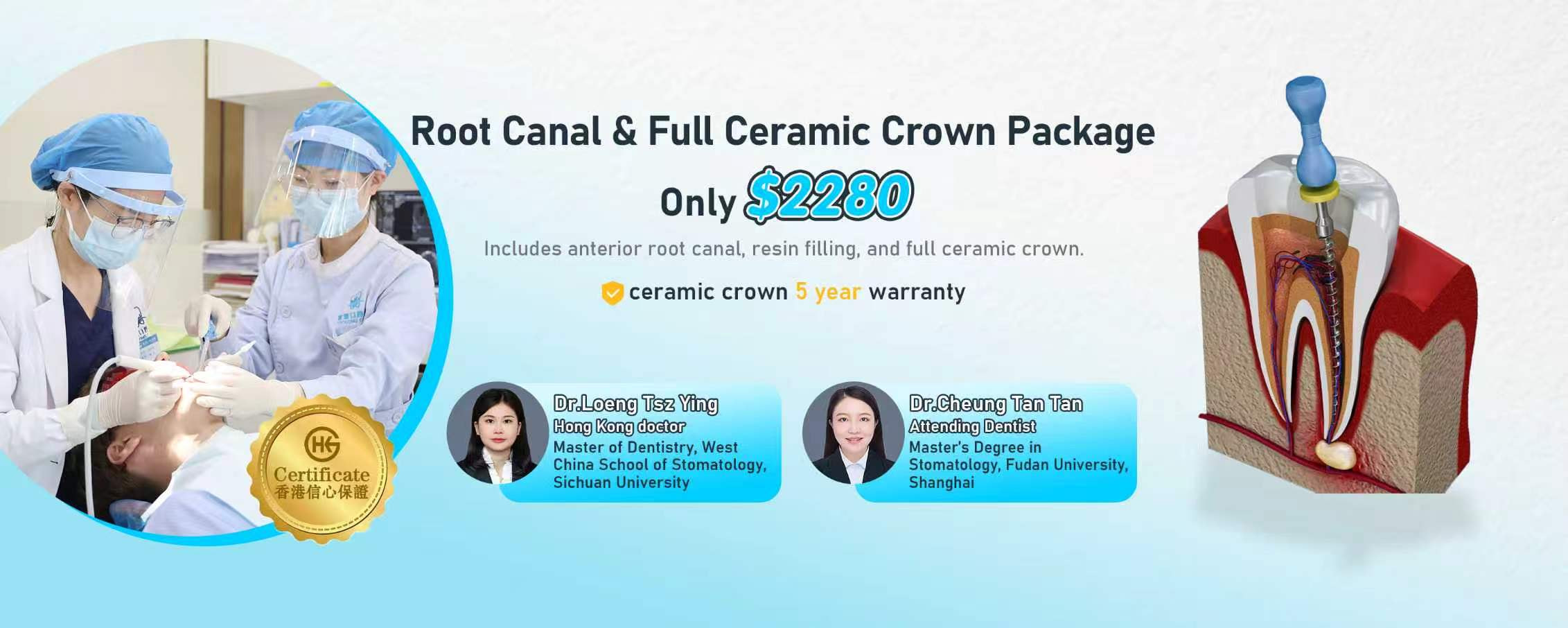


Summary: Dental implants have emerged as an effective solution for individuals who have lost teeth, significantly enhancing their quality of life. This article explores the myriad benefits of dental implant treatment, ranging from improved aesthetics to better oral health and function. Additionally, the piece elaborates on the step-by-step procedures involved in obtaining dental implants, helping prospective patients understand what to expect. By delving into both the advantages and the process, readers can appreciate how dental implants contribute to a healthier smile and overall enhancement of daily living.
1. Enhanced Aesthetic Appeal and Confidence

One of the most prominent benefits of dental implants is the significant enhancement in aesthetic appeal. Unlike traditional dentures or bridges, implants are designed to closely mimic the appearance and functionality of natural teeth. Patients find that once their smile is restored, they feel more comfortable in social situations and exhibit increased self-confidence.
The materials used in dental implants are of high quality and are specifically chosen to integrate seamlessly with the rest of the mouth. This leads to a more natural look, which is crucial for individuals concerned about their appearance. Many enjoy the psychological boost that comes with a bright, healthy smile.
This newfound confidence often translates to improved interactions, whether personal or professional. Many who receive dental implants report being more open during conversations and engaging more socially, significantly enhancing their quality of life.
2. Improved Oral Health and Functionality
Dental implants also play a crucial role in improving oral health and functionality. When a tooth is lost, surrounding teeth can shift, leading to misalignment and issues with biting. Implants prevent this by providing a stable structure that supports jaw integrity and maintains the proper positioning of adjacent teeth.
Moreover, implants replicate the root of a natural tooth, stimulating the jawbone and preventing bone loss, which is a common side effect following tooth loss. This promotes not only oral health but also overall well-being, as the jawbone remains healthy and less prone to degradation.
For patients struggling with everyday tasks such as chewing or speaking due to missing teeth, implants offer significant improvements. Individuals report being able to enjoy a wider variety of foods and speak more clearly, enhancing their overall quality of life.
3. Long-term Stability and Durability
Another major advantage of dental implants is their long-term stability and durability. With proper care and regular dental check-ups, implants can last many years, even a lifetime. This longevity makes them a cost-effective solution in the long run despite the initial investment needed for the procedure.
Unlike traditional dentures that may require adjustments or replacements, implants are securely anchored, providing peace of mind for patients. They don’t shift or make noise, which means individuals can go about their daily lives without the worry of their dental work compromising their activities.
The reliability of implants also encourages patients to maintain better oral hygiene standards. With natural-looking and functioning teeth, patients feel motivated to take care of their oral health, leading to fewer dental issues over time and lowering long-term healthcare costs.
4. The Procedure Explained: From Consultation to Aftercare
Understanding the procedure associated with dental implants is essential for anyone considering this treatment. Initially, a comprehensive evaluation and consultation with a dental professional will determine the patients suitability for the procedure. This might include imaging scans to assess jawbone health and the structure of the mouth.
Once deemed a candidate, the actual implant procedure is typically performed in stages. The first stage involves implanting a titanium post in the jawbone, which serves as a root for the new tooth. Over a span of months, the post integrates with the bone, a process known as osseointegration.
After the healing phase, the final restoration occurs, which involves placing a crown on the implant. Importantly, aftercare is a vital component of the process. Patients are advised on maintaining oral hygiene and attending regular checkups to ensure the health of both the implant and surrounding teeth.
Summary:
In conclusion, dental implants represent a transformative step for many individuals seeking to restore their smiles and improve their lives. The myriad benefits, which range from enhanced aesthetics and improved oral health to long-term stability, make them an appealing choice. Understanding the procedures involved also reassures patients about embarking on this journey to a healthier, happier smile.
This article is compiled by Vickong Dental and the content is for reference only.
















