





Summary: In this article, we will delve into the latest cutting-edge advancements in dental implant treatment procedures. From 3D imaging technology to immediate loading techniques, these innovations are revolutionizing the field of dental implantology and improving patient outcomes.
1. 3D Imaging Technology
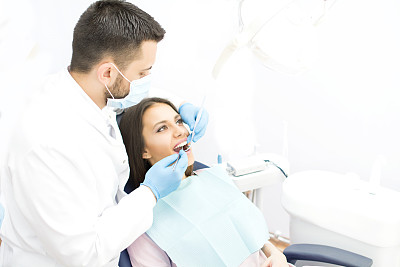
Advancements in 3D imaging technology have transformed the way dental implant treatment planning is conducted. With high-resolution 3D scans, dentists can create precise digital models of the patients jawbone, allowing for more accurate placement of dental implants. This technology also enables virtual surgical simulations, reducing the risk of complications during the actual procedure. Furthermore, 3D imaging helps in customizing implants for each patient, leading to better aesthetic and functional results.
The use of cone beam computed tomography (CBCT) in dental implant procedures has significantly enhanced the diagnostic capabilities of dentists. CBCT scans provide detailed information about the quality and quantity of bone, nerve pathways, and anatomical structures, aiding in the selection of the most suitable implant size and placement position. This level of precision contributes to the long-term success of dental implants and helps in avoiding potential complications.
The integration of 3D printing technology in dental implant treatment has further streamlined the process by allowing for the fabrication of surgical guides and custom implant components. These patient-specific tools facilitate the precise execution of implant placement, resulting in improved surgical outcomes and reduced chair time for patients. The combination of 3D imaging and printing has revolutionized the field of dental implantology, making procedures more efficient and patient-friendly.
2. Immediate Loading Techniques
Traditional dental implant procedures often required a healing period of several months before attaching the prosthetic restoration to allow for osseointegration. However, advancements in immediate loading techniques have transformed this timeline, enabling patients to receive functional teeth on the same day as implant placement. Immediate loading reduces the overall treatment duration and enhances patient satisfaction, as individuals can restore their smile and oral function without a prolonged waiting period.
Rapid osseointegration protocols, such as accelerated healing methods and surface modifications of implants, have played a crucial role in the success of immediate loading techniques. These approaches promote faster bone integration around the implant, allowing for early loading of the prosthetic device. By leveraging these innovative techniques, dentists can offer patients immediate aesthetic and functional improvements, revolutionizing the traditional implant treatment process.
The development of high-strength implant materials and enhanced implant designs has also contributed to the success of immediate loading procedures. By utilizing biocompatible materials with improved mechanical properties, such as titanium alloys and zirconia, implant stability and longevity are enhanced, supporting the immediate loading protocol. These advancements ensure that patients can enjoy the benefits of dental implants sooner and with reliable long-term results.
3. CAD/CAM Technology Integration
The integration of computer-aided design/computer-aided manufacturing (CAD/CAM) technology in dental implant procedures has revolutionized the customization and fabrication of implant restorations. Utilizing digital scanning and designing software, dentists can create precise 3D models of the patients oral anatomy and design prosthetic components with unparalleled accuracy. CAD/CAM technology enables the fabrication of crowns, bridges, and abutments that seamlessly integrate with the patients natural dentition for optimal aesthetics and functionality.
By eliminating the need for traditional impression materials and manual labor, CAD/CAM technology simplifies the restoration process and reduces the turnaround time for patients. Customized implant restorations can be rapidly manufactured in-house or sent to external milling centers for production, ensuring a precise fit and superior quality of the final prosthetic. This integration of CAD/CAM technology enhances the efficiency and predictability of dental implant treatments, leading to exceptional patient outcomes.
Moreover, CAD/CAM technology allows for the digital storage and retrieval of patient-specific data, facilitating seamless communication between dental professionals and dental laboratories. Clinicians can collaborate remotely with technicians to design and fabricate implant restorations, promoting interdisciplinary teamwork and ensuring the precise execution of treatment plans. The incorporation of CAD/CAM technology in dental implant procedures signifies a significant advancement in personalized, streamlined, and technologically-driven dental care.
4. Bioactive Surface Modifications
The development of bioactive surface modifications for dental implants has revolutionized their osseointegration capability and long-term success. By applying biocompatible coatings or incorporating bioactive materials on the implant surface, clinicians can enhance bone healing and promote faster integration with the surrounding tissue. These surface modifications stimulate osseointegration processes, such as bone apposition and angiogenesis, leading to a more stable and durable implant-bone interface.
Nanostructured coatings, such as hydroxyapatite and bioactive glass, have demonstrated superior osteoconductive properties, accelerating the formation of new bone around the implant site. These bioactive materials mimic the composition of natural bone, promoting cell adhesion and proliferation for enhanced tissue regeneration. Additionally, surface modifications with antimicrobial properties help reduce the risk of peri-implant infections and implant-related complications, ensuring the long-term success of dental implant treatments.
The advancements in bioactive surface modifications have expanded the treatment options for patients with compromised bone quality or systemic conditions that may affect healing. By promoting rapid and robust osseointegration, these innovative technologies enable successful implant placements in challenging clinical scenarios, improving the overall predictability and longevity of dental implant restorations. The integration of bioactive surfaces in dental implant procedures represents a significant leap forward in enhancing implant success rates and patient satisfaction.
Summary:
The cutting-edge advancements in dental implant treatment procedures, including 3D imaging technology, immediate loading techniques, CAD/CAM technology integration, and bioactive surface modifications, are revolutionizing the field of implant dentistry. These innovations enhance treatment precision, efficiency, and patient outcomes, paving the way for personalized and technologically-driven dental care. Embracing these advancements ensures optimal results and satisfaction for patients seeking dental implant treatments.
This article is compiled by Vickong Dental and the content is for reference only
















