





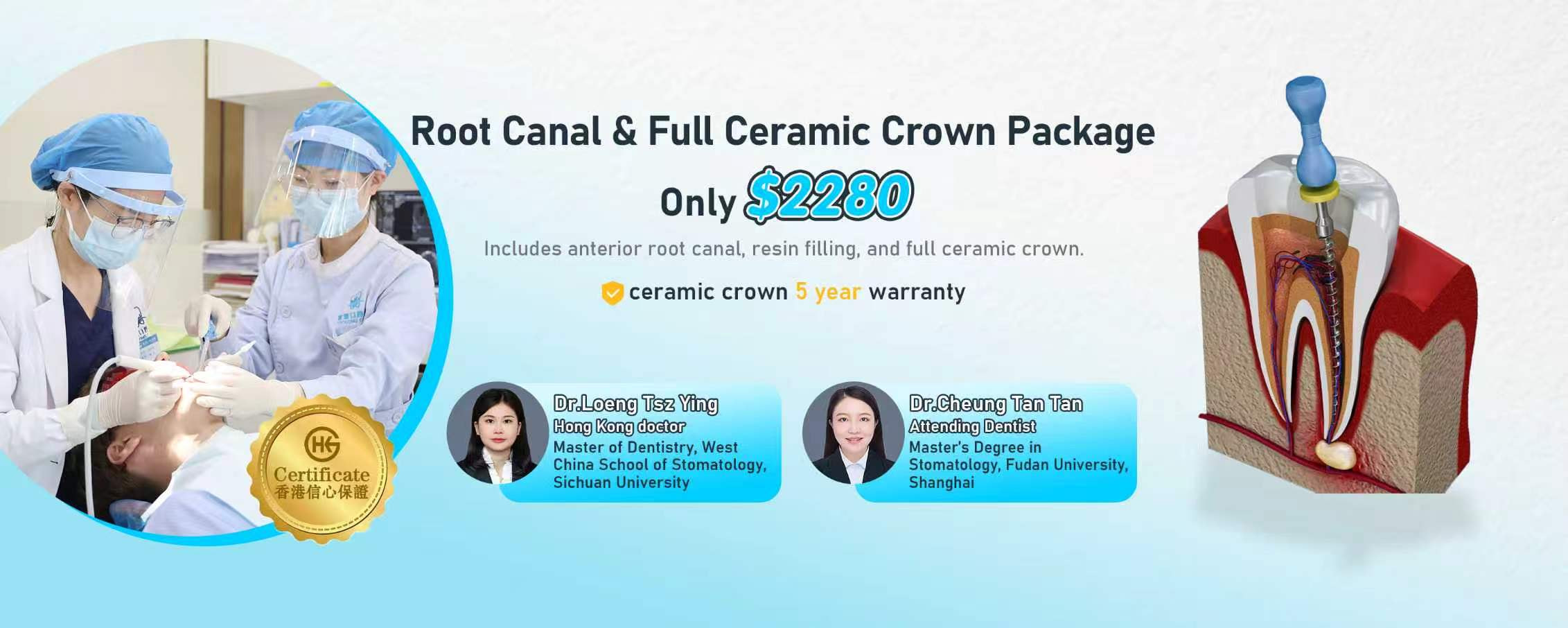


Summary: Dental implant treatment is a revolutionary solution for individuals seeking to regain both aesthetics and functionality in their smiles. This comprehensive guide covers the essential aspects of dental implants, from understanding their necessity and types to the treatment process and aftercare. By exploring each stage, including procedures, benefits, and potential complications, this article aims to equip readers with vital information to make informed decisions about their oral health and enhance their quality of life. Ultimately, dental implants can dramatically improve self-esteem and contribute to a lasting beautiful smile.
1. Understanding the Need for Dental Implants

Dental implants are essential for those who have lost teeth due to injury, decay, or other dental problems. Missing teeth can lead to various issues, including difficulty in chewing, speech problems, and misalignment of surrounding teeth. These factors can not only compromise ones ability to eat but also diminish confidence. Recognizing these shortcomings is the first step toward understanding the importance of pursuing dental implants.
Additionally, tooth loss can lead to bone density loss in the jaw, making it crucial to address the gap with an implant. This process not only improves functionality but also helps preserve the jaw structure, preventing further complications. Understanding these aspects solidifies the reasoning behind choosing dental implants over traditional dentures or bridges.
Consideration of overall health also plays a key role in deciding on dental implants. Individuals with chronic conditions should consult their dentist for tailored solutions, ensuring that dental health care fits their unique needs. This highlights the necessity of professional guidance in the decision-making process when it comes to implants.
2. Types of Dental Implants Explained
There are primarily two types of dental implants: endosteal and subperiosteal. Endosteal implants are placed directly into the jawbone and are the most commonly used type. They can hold one or multiple teeth, making them versatile for various dental needs. Understanding these types helps patients discuss the best options with their dental professionals.
On the other hand, subperiosteal implants are placed under the gum but above the jawbone. These are suitable for patients who have limited bone height and cannot undergo bone augmentation. Knowing the differences allows for a more in-depth conversation about individual needs and preferences during consultation.
The choice between these types often depends on overall dental health, bone structure, and personal preferences. A thorough discussion with a dental expert can ensure that the selected option aligns with the patients lifestyle and long-term goals for dental health.
3. The Dental Implant Treatment Process
The dental implant procedure typically begins with a comprehensive examination and imaging of the mouth to create a personalized treatment plan. This phase is crucial as it helps in understanding the gum and bone condition to proceed effectively. Patients should be aware of the significance of this initial step in ensuring the success of the implant.
Following the preparatory steps, the dentist will place the implant into the jawbone through a minor surgical procedure. After this, a healing phase ensues, during which the implant fuses with the bone—a process known as osseointegration. This crucial stage can take several months and is critical for the longevity of the implant.
Once the integration is successful, a custom abutment and crown are placed, completing the implant process. Continuous communication with the dental team during this period allows individuals to address any concerns, ensuring a smooth recovery and achieving optimal results.
4. Aftercare and Maintenance for Implants
Post-treatment care is vital for the long-term success of dental implants. Maintaining a rigorous oral hygiene routine, including regular brushing and flossing, is essential to prevent infections and other complications. It is advisable to avoid smoking and excessive alcohol consumption, as these habits can hinder healing.
Follow-up appointments with the dentist are crucial to monitor the health of the implants and surrounding gum tissue. Early detection of any issues can prevent complications and prolong the lifespan of implants. Establishing a solid communication line with the dental care provider ensures that patients remain informed and proactive about their oral health.
Additionally, a balanced diet and regular check-ups contribute significantly to the durability of dental implants. The integration of good practices in daily life not only helps maintain implants but also promotes overall oral health, ensuring that patients enjoy their beautiful smiles for years to come.
Summary:
The journey toward achieving a functional and beautiful smile through dental implants involves understanding the treatment necessity, exploring different types of implants, navigating the treatment process, and committing to diligent aftercare. Each step plays an integral role in ensuring the efficiency and longevity of the treatment, greatly enhancing ones quality of life.
This article is compiled by Vickong Dental and the content is for reference only.
















