





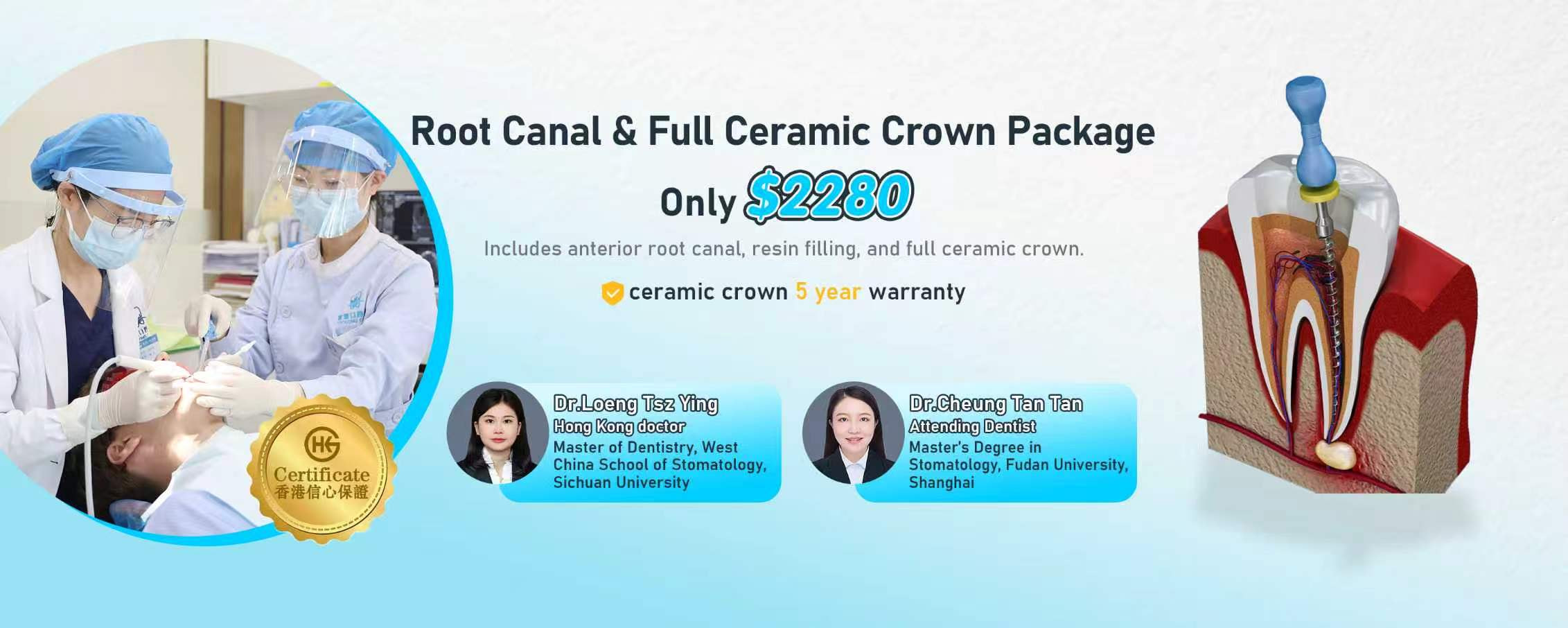


Summary: This comprehensive guide explores the various aspects of dental implant treatment, offering insights into its techniques, benefits, and recovery processes. Dental implants are artificial tooth roots that provide a permanent base for fixed or removable replacement teeth. Understanding the treatment techniques ensures patients make informed decisions, while recognizing the benefits emphasizes the long-term advantages of implants. Furthermore, the recovery phase is essential for achieving a healthy and functional smile. This guide aims to provide detailed information that supports individuals in their journey towards a healthier smile with dental implants.
1. Understanding Dental Implant Treatment Techniques

Dental implant treatment begins with a thorough consultation and examination by a qualified dentist. This often includes imaging studies like X-rays to assess bone density and structure. Once the initial assessment is complete, the treatment plan is tailored to meet the patients specific needs. These techniques are crucial in ensuring the success of the implant.
One of the most common techniques is the endosteal implant, where titanium posts are surgically placed into the jawbone. This method requires adequate bone density to secure the implant effectively. Another technique is the subperiosteal implant, which is placed on the jawbone beneath the gum tissue, used for patients with insufficient bone height.
The procedure typically involves several stages: the surgical placement of the implant, a healing period for osseointegration, and finally, the abutment and crown placement. Each stage is significant and carefully monitored to ensure optimal integration and functionality of the implant.
2. Benefits of Dental Implants for Oral Health
Dental implants offer numerous benefits for oral health compared to traditional dentures and bridges. One significant advantage is their durability. Unlike dentures, implants are designed to last many years, often a lifetime, with proper care. This longevity makes them a cost-effective solution for replacing missing teeth.
Moreover, implants help maintain jawbone integrity. When a tooth is lost, the jawbone can deteriorate over time. Implants act like natural tooth roots, stimulating the bone and preventing further bone loss, which is essential for overall facial structure and aesthetic appearance.
Another benefit is improved oral function. Dental implants allow patients to eat and speak without discomfort, as they provide a more stable solution than traditional dentures. This improved functionality contributes significantly to a persons quality of life, enhancing confidence and social interactions.
3. The Recovery Process After Implant Surgery
The recovery period after dental implant surgery is crucial for ensuring the success of the procedure. The initial healing phase generally lasts a few days, during which patients may experience some discomfort, swelling, or bruising. Following the dentists post-operative instructions is essential for a smooth recovery process.
During recovery, it is vital to maintain oral hygiene without disturbing the surgical site. Gentle brushing around the implants and using an antiseptic mouthwash can promote healing. Regular follow-up appointments will allow the dentist to monitor progress and address any concerns swiftly.
Most patients can return to their normal activities within a few days post-surgery. However, full osseointegration, where the implant fuses with the jawbone, may take several months. Patience during this period is necessary to ensure the longevity and stability of the implant.
4. Long-Term Advantages and Maintenance of Implants
Long-term maintenance of dental implants involves regular dental visits and proper oral hygiene practices. Patients should brush their teeth twice a day and floss daily to keep the area around the implants clean. Using a soft-bristled toothbrush and non-abrasive toothpaste is recommended to avoid damaging the implant and surrounding tissue.
Another significant long-term advantage of dental implants is their ability to enhance overall oral health by supporting adjacent teeth. Unlike bridges that require altering neighboring teeth, dental implants do not compromise the health of adjacent natural teeth.
Furthermore, dental implants can potentially improve speech, avoiding the slurring or mumbling sometimes associated with traditional dentures. As patients adapt to their implants, they usually find it easier to articulate sounds clearly, enhancing communication and confidence.
Summary:
In conclusion, dental implants provide a robust solution for restoring smiles while promoting overall oral health. Understanding the various techniques, recognizing the benefits, and following a diligent recovery process are essential for long-term success. Investing in dental implants can significantly contribute to a healthier and more joyful life.
This article is compiled by Vickong Dental and the content is for reference only
















